If you’ve ever stared at a blank screen trying to figure out what topics your audience actually wants you to write about, you’re not alone. I’ve been there too—especially in my early SEO days. That’s when I understood how powerful keyword research really is. It’s not just picking random words… it’s understanding people, their questions, and what they search for every single day.
And the good news? Learning keyword research in 2025 isn’t as complicated as it used to be. Tools have become smarter, search behavior is clearer, and with the right guidance, beginners can master it way faster than before.
Think of this as a friendly, no-pressure guide. I’ll explain things in simple language, the way I wish someone had done when I first started.
What Keyword Research Really Means
If someone asked me years ago, “What is keyword research?” I probably would’ve given a technical answer. But today, after helping brands grow through SEO, my explanation is much simpler:
Keyword research means finding the exact words your audience types into Google so you can create content that answers their questions.
It’s like listening to your customers before creating a product.
You find:
- What people want
- What they’re struggling with
- What they’re curious about
- What they are ready to buy
In many ways, good keyword research is good customer understanding.
Why Keyword Research Matters So Much in 2025
Google is smarter now. It understands:
- Search intent
- User behavior
- Topic relationships
- Long-form content
- Helpful experience-based writing
If you just guess keywords, you’ll miss what people really want and Google won’t consider your content helpful.
Here’s what I’ve learned after years of doing SEO keyword analysis:
Without keyword research, content becomes guesswork.
With keyword research, content becomes strategy.
In 2025, keywords matter because:
- User intent is more important than ever
- Competition is higher
- AI-generated content overwhelms the internet
- Google prioritizes human-first, problem-solving pages
- Only targeted content ranks, not random topics
Types of Keywords Every Beginner Should Know
You don’t need to know 50 keyword types. Just these key ones will take you far:
1. Short-Tail Keywords
- 1–2 words
- High search volume
- High competition
Example: keyword research
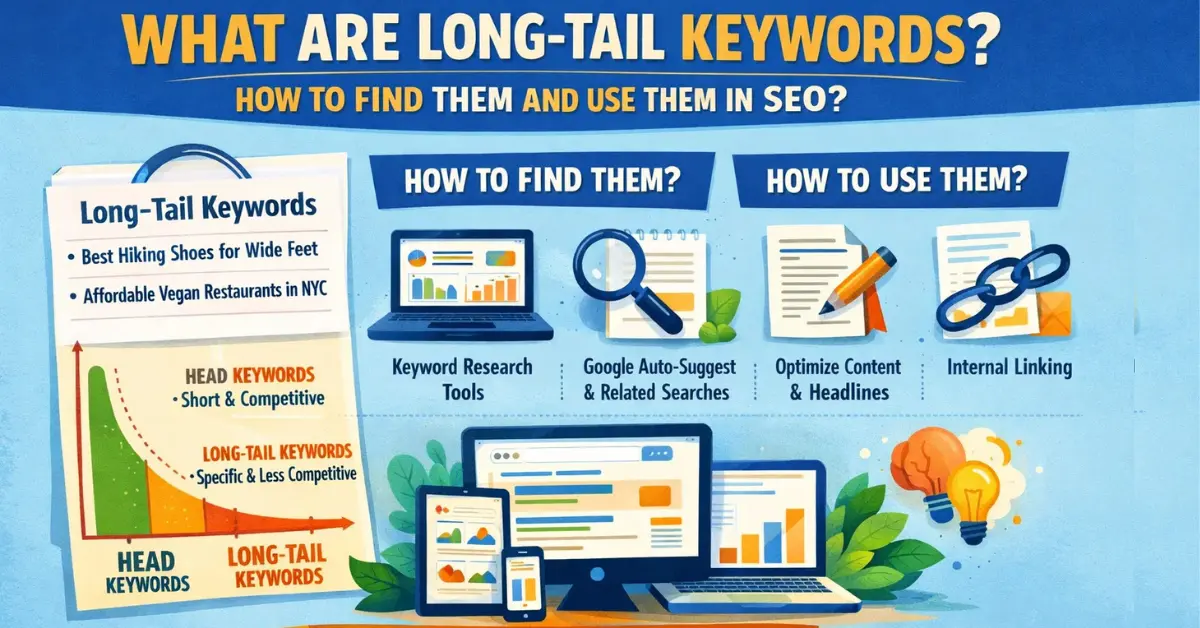
2. Long-Tail Keywords
- 3–6 words
- Lower competition
- Higher intent (often leads to conversions)
Example: how to do keyword research for beginners
These are my personal favorites. They’re easier to rank and attract the right audience.
3. Informational Keywords
People looking for answers.
Example: SEO keyword research guide
4. Transactional Keywords
People ready to buy or subscribe.
Example: best keyword research tools
5. Navigational Keywords
Users searching for a brand or website.
Example: Google Keyword Planner
When I’m doing SEO content planning, I usually start with long-tail keywords because they bring users who are more serious about learning or buying.
Keyword Research Step by Step (Beginner-Friendly Process)
Here’s the step-by-step process I personally use for clients and my own websites. It’s easy enough for beginners but powerful enough to get real results.
Step 1 — Understand Your Audience First
Before touching tools, ask:
- What problems does your audience have?
- What questions do they search?
- What are their goals and pain points?
I always write down at least 10 things my target users might want to know.
This becomes the foundation for topic ideas.
Step 2 — Brainstorm Seed Keywords
These are the basic words related to your topic.
Example (for a fitness website):
- weight loss
- workout at home
- healthy diet
For a digital marketing blog:
- keyword research
- SEO tools
- backlinks
Seed keywords help tools find thousands of related ideas.
Step 3 — Use Keyword Tools to Find Data
You don’t need expensive tools as a beginner. Start with free ones.
Free Tools:
- Google Keyword Planner
- Google Trends
- Answer the Public
- AlsoAsked
- Ubersuggest (limited free version)
Paid Tools:
(If you ever upgrade)
- Ahrefs
- SEMrush
- Moz
For 2025, here’s a simple comparison table I often share:
| Tool Name | Best For | Pricing | My Experience |
| Google Keyword Planner | Basic keyword volume | Free | Accurate but broad |
| Ubersuggest | Beginner-friendly research | Free/Paid | Quick topic ideas |
| SEMrush | Advanced SEO analysis | Paid | Best for competitive research |
| Ahrefs | Backlink + keyword insights | Paid | The most accurate data |
These tools show:
- Search volume
- Keyword difficulty
- Related keywords
- Trending keywords
- Questions people ask
Once you see the data, patterns start appearing naturally.
Step 4 — Analyze Competitors (This Is a Game-Changer)
This is the part most beginners skip, but it’s worth gold.
Search your target keyword on Google and examine the top 10 results:
- What topics are they covering?
- What angle are they using?
- Are they ranking with long-form or short-form content?
- What subtopics do they mention?
In my experience, this is where you understand what Google wants.
Step 5 — Identify Search Intent (Crucial in 2025)
Google cares about why the user is searching.
Ask yourself:
- Are they trying to learn?
- Compare products?
- Buy something?
- Look for opinions?
Example:
- “keyword research for beginners” → informational
- “best keyword research tools” → commercial
- “Google Keyword Planner login” → navigational
Match your content type with intent and you’ll rank faster.
Step 6 — Pick the Right Keywords
Now is the time to actually finalize keywords.
As a beginner:
- Choose low–medium competition
- Prefer long-tail keywords
- Avoid high volume if competition is massive
- Aim for keywords you can realistically rank for
I usually pick:
- 1 primary keyword
- 2–3 secondary keywords
- 3–6 supporting/LSI keywords
Step 7 — Organize Keywords into Topics
Group keywords into content clusters:
- Main topic
- Subtopics
- FAQ topics
- Comparison articles
- “How-to” guides
This is how authority websites grow fast.
Step 8 — Create Content That Actually Helps Users
This is where SEO and real expertise connect.
Here’s what works best in 2025:
- Share personal experiences
- Give real examples
- Write as if you’re talking to one person
- Answer common questions naturally
- Add simple comparisons or tables
- Use stories or observations
- Keep sentences human and friendly
Google wants helpful content, not robotic pages.
Signs You’ve Done Keyword Research Correctly
How do you know if your keyword research is effective?
Here are the signs I usually see:
- Your content starts ranking for multiple related terms
- You get more targeted traffic
- Your bounce rates drop
- Users spend more time on your pages
- You attract the “right” audience
- You stop guessing what to write
- Your content strategy feels clear and organized
When beginners see these signs, confidence grows and SEO becomes fun.
Real-Life Example: Long-Tail Keyword Selection
Here’s a quick example from my own experience.
A client wanted to rank for:
“weight loss” — impossible for beginners.
I guided them to target:
- best weight loss exercises at home for beginners
- how to lose weight without gym
- easy weight loss routine for busy people
Within 3 months, they got stable traffic because long-tail keywords were:
- Easier
- More specific
- Closer to user intent
This approach works in every niche.
Best Keyword Research Tools for Beginners in 2025
If you’re just starting, stick to these:
1. Google Keyword Planner
Accurate, free, and directly from Google.
2. Ubersuggest
Gives easy-to-understand keyword ideas.
3. AnswerThePublic
Great for uncovering questions and long-tail keywords.
4. Google Trends
Shows seasonal trends and rising topics.
5. SEMrush / Ahrefs (If you upgrade later)
Perfect for deep competitor insights.
These tools give you everything needed to master keyword research step by step.
Common Mistakes Beginners Make (Avoid These)
If I could go back in time and talk to my beginner self, I would warn about these mistakes:
- Picking high-competition keywords
- Ignoring intent
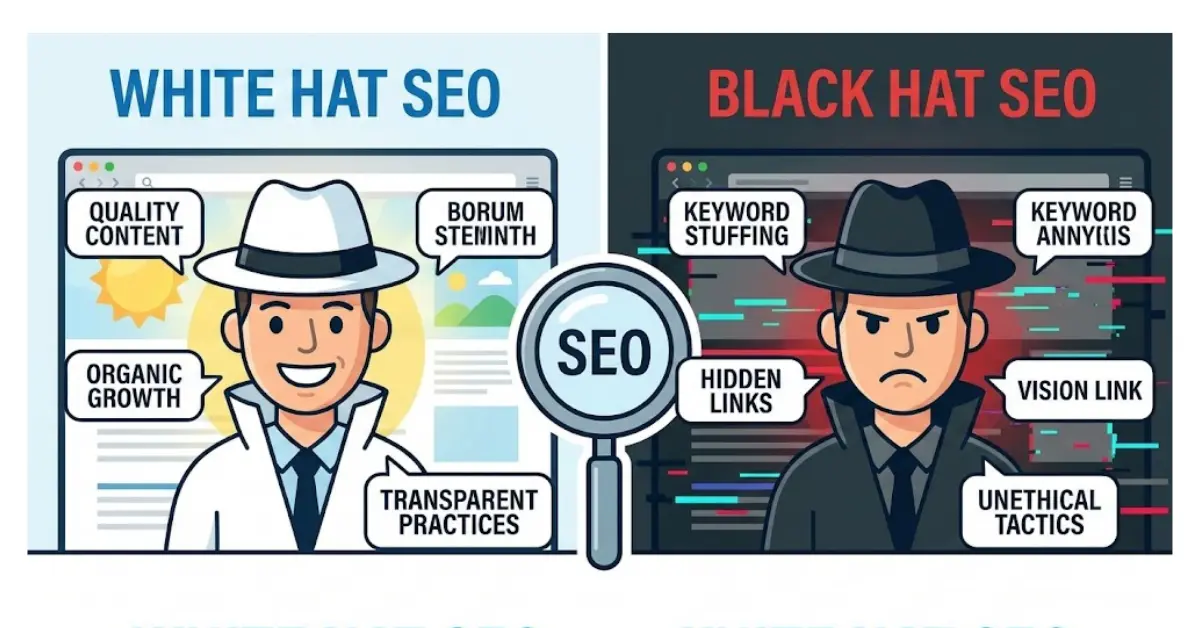
- Stuffing keywords
- Not analyzing competitors
- Using too many keywords in one article
- Skipping long-tail keywords
- Ignoring actual user questions
- Creating content without a clear structure
Avoid these, and your SEO journey becomes smooth.
Final Tips for Keyword Research Success in 2025
Here’s what I tell every beginner:
- Think like a human, not a robot
- Write for readers, not for search engines
- Use keywords naturally
- Learn what your audience cares about
- Stick to long-tail keywords
- Keep your content fresh and updated
- Share your real experiences
That combination — research + human voice — is unbeatable in 2025.
Final Thoughts
Keyword research doesn’t have to feel overwhelming. Once you understand your audience and know how to use simple tools, the entire process becomes almost fun. In my experience, the best keywords aren’t the ones with the highest volume—they’re the ones that help you connect with your audience in a real way.
Start small, be consistent, use the steps from this guide, and within a few months, you’ll start seeing results you can be proud of.
FAQs
1. What’s the easiest way to start keyword research for beginners?
Start with free tools like Google Keyword Planner and use simple long-tail keywords. It makes ranking much easier.
2. How do I know if a keyword is good for SEO?
Check its search volume, competition level, and user intent. A “good” keyword is one you can rank for realistically.
3. Should I use long-tail keywords in every article?
Yes—if they fit naturally. Long-tail keywords bring targeted and engaged readers.
4. What are the best keyword research tools for new bloggers?
Ubersuggest, Google Keyword Planner, AnswerThePublic, and Google Trends are great for beginners.
5. How many keywords should I target in one blog?
Usually 1 primary keyword, 2–3 secondary keywords, and a few natural LSI keywords.