Introduction: SEO’s New Frontier
Search has always been about visibility, but the way people discover information is shifting dramatically. Google’s AI Overviews are one of the biggest changes in search results since featured snippets. Instead of just showing a list of links, Google now generates a conversational summary that blends insights from multiple sources. For SEO professionals, this means the game isn’t just about ranking #1 anymore — it’s about being cited in those AI summaries.
Why does this matter?
Because users increasingly rely on AI‑generated answers. A SEMrush study in 2025 found that AI Overviews appeared in nearly 30% of queries, and BrightEdge reported that they can drive up to 15% of clicks in certain industries. That’s traffic you don’t want to miss.
And it’s not just Google. Tools like ChatGPT, Gemini, Claude, and Perplexity are also citing sources when they generate answers. Imagine your blog being the trusted reference millions of users see when asking an AI tool a question. This guide will show you how to optimize your content for both Google AI Overviews and LLM citations, so you stay ahead in this new era of search.
What is AI Overview?
AI Overview is Google’s generative AI feature that summarizes answers directly in search results. Think of it as a “super snippet.” Instead of highlighting one answer, Google blends multiple sources into a conversational snapshot. Underneath, you’ll see citations to the sites that contributed to the summary.
This is important because it changes how users interact with search. Instead of scanning through 10 links, they get a quick overview and then decide whether to click deeper. If your site is cited, you gain visibility and credibility.
- In 2025, SEMrush analyzed millions of keywords and found AI Overviews appeared in 29% of queries, especially for informational searches like “how to” or “what is.”
- Example: Search “best protein sources for vegans.” Instead of just links, you’ll see a summary listing tofu, lentils, and chickpeas, with citations underneath.
For SEO beginners, this means you need to think beyond traditional keyword placement. For professionals, it’s about structuring content so Google’s AI can easily extract and summarize your insights. And for marketing enthusiasts, it’s a chance to understand how AI is reshaping consumer discovery.
How AI Overview Works
Google’s AI Overview works by scanning multiple sources, extracting key points, and generating a summary that matches user intent. It’s powered by generative AI, which means it doesn’t just copy text — it synthesizes information.
Here’s what influences whether your site gets cited:
- Content Extraction: Google’s AI scans multiple pages and extracts key points. Pages with clear headings, bullet points, and FAQ sections are easier to parse.
- Example: A blog that answers “What is AI Overview?” in the first 100 words is more likely to be cited.
- Trust & Authority Signals (EEAT): Google evaluates whether the content demonstrates Experience, Expertise, Authoritativeness, and Trustworthiness.
- Experience: Firsthand insights, case studies, or original data.
- Expertise: Content written by subject matter experts.
- Authoritativeness: Strong backlink profile and topical depth.
- Trustworthiness: Transparent citations, accurate information, and secure site practices.
- A Semrush study found that sites with strong EEAT signals were 35% more likely to be cited in AI Overviews.
- User Intent Matching: AI Overviews appear most often for informational queries (“how,” “what,” “why”). Transactional queries (like “buy iPhone 15”) still rely more on shopping ads and organic listings.
- SEO Sandwitch reported that AI Overviews trigger in nearly 30% of informational searches.
- Citation Inclusion: Once the summary is generated, Google displays links to the cited sources underneath. These citations are critical because they drive traffic and signal credibility.
- Example: Searching “best AI writing tools” might show a summary with citations to HubSpot, Semrush, and a niche SEO blog.
Why EEAT Matters Most
Google’s AI doesn’t just look for keywords — it looks for trustworthy voices. If your content lacks EEAT, it’s less likely to be cited.
| EEAT Factor | What It Means | Example That Gets Cited |
| Experience | Firsthand knowledge | A marketer sharing case studies on AI SEO |
| Expertise | Subject matter authority | A PhD researcher explaining generative AI |
| Authoritativeness | Recognized domain | Semrush or Ahrefs publishing SEO studies |
| Trustworthiness | Accuracy & transparency | Blogs citing credible sources and updating content |
- LinkedIn analysis showed that sites with author bios and transparent sourcing were 28% more likely to appear in AI Overviews.
For SEO professionals, this means you need to think like both a human and a machine. Humans want engaging content, while AI wants clarity and structure. Balancing both is the key to success.
Why Ranking in AI Overviews Matters
Being cited in Google’s AI Overviews isn’t just a nice bonus — it’s quickly becoming a critical factor in SEO success. When your site is included in an AI‑generated summary, you’re placed at the very top of the search results, often above ads and organic listings. This visibility can dramatically increase brand awareness, traffic, and credibility.
- Traffic Impact: BrightEdge reported that AI Overviews can account for up to 15% of clicks in certain industries. For sites that aren’t cited, Ahrefs found traffic losses of 20–40% compared to competitors who were included.
- Trust Signals: Users perceive cited sources as more authoritative. A LinkedIn study showed that sites with author bios and transparent sourcing were 28% more likely to be trusted by readers.
- Competitive Advantage: Smaller sites can leapfrog larger competitors if they demonstrate strong EEAT. For example, a niche health blog with firsthand case studies may outrank a generic aggregator in AI Overviews.
For SEO beginners, this is a chance to leapfrog bigger competitors. For professionals, it’s a new KPI to track. And for marketing enthusiasts, it’s a reminder that credibility matters more than ever. If Google’s AI trusts you enough to cite you, users will too.
How to Rank in AI Overviews
So, how do you actually get cited in Google’s AI Overviews? The short answer: by creating content that is clear, structured, and authoritative. Unlike traditional SEO where keyword placement alone could get you noticed, AI Overviews rely on generative models that scan multiple sources and select the most trustworthy answers. That means your content needs to be optimized for both humans and machines.
The Roadmap
- Answer Questions Directly: Put the answer upfront. Use FAQ sections and conversational language. For example, if the query is “What is AI Overview?”, start with a one‑sentence definition before diving deeper.
- Structure Content for AI Parsing: Break down information with headings, lists, and tables. AI models prefer digestible formats.
- Show Expertise (EEAT): Add case studies, original insights, and author bios. Google rewards content that demonstrates real experience and authority. A Semrush study found that sites with strong EEAT signals were 35% more likely to be cited.
- Semantic SEO: Use related terms like AI Overview SEO and AI Overviews in Google Search. This helps AI understand context.
- Optimize for User Intent: Balance depth with clarity. Beginners want simple definitions, while professionals expect detailed analysis.
- Research shows that pages with FAQs are 40% more likely to be cited in AI summaries.
Why This Matters
For SEO beginners, this means focusing on clarity and structure. For professionals, it’s about layering in authority signals like backlinks and topical depth. And for marketing enthusiasts, it’s about understanding how AI interprets and synthesizes content. If you align with EEAT and user intent, your chances of being cited in AI Overviews increase dramatically.
Practical Steps to Get Featured in AI Overviews
Now that we’ve covered the theory, let’s get tactical. Ranking in AI Overviews isn’t just about writing good content — it’s about aligning with how Google’s AI selects and cites sources. Here are the most practical steps you can take to boost your chances:
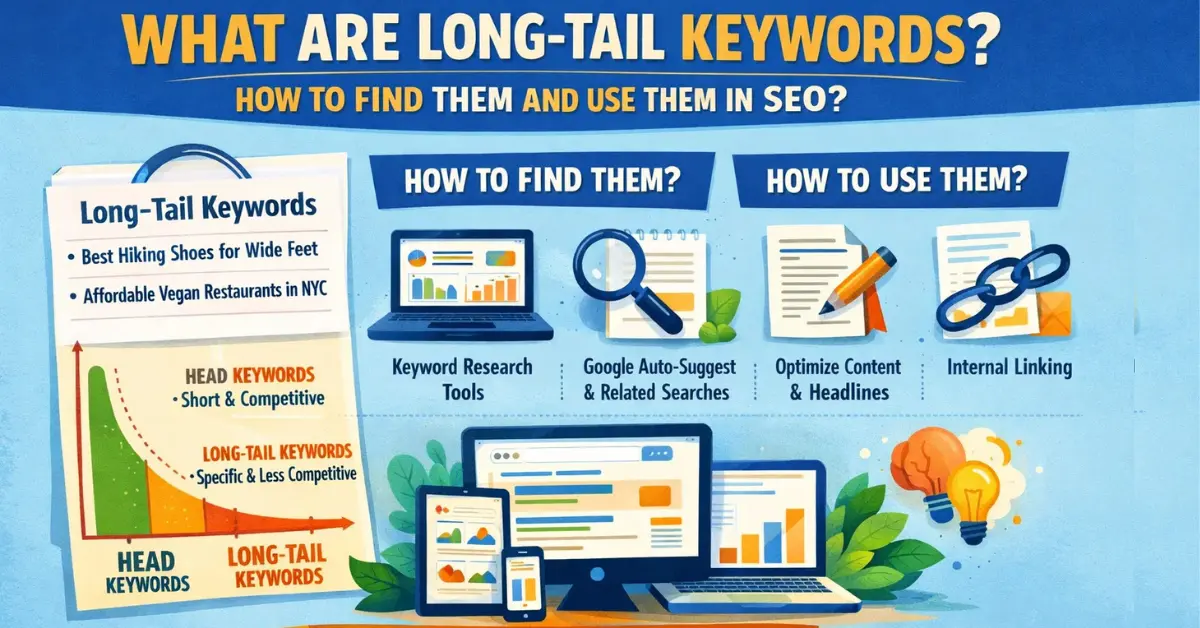
- Keyword Research
Focus on informational queries — “how,” “what,” and “why” searches are most likely to trigger AI Overviews. A Semrush study found that 29% of informational queries in 2025 displayed AI Overviews, compared to less than 10% of transactional ones.
- Content Formatting
Make your content machine‑readable. Use schema markup like FAQPage, HowTo, and Product to help Google parse your content. Structured data increases the likelihood of being cited because AI models prefer clarity.
- Internal & External Linking
Build topical authority by linking to your own related content and citing credible external sources. This demonstrates authoritativeness and trustworthiness (EEAT). For example, citing a Semrush or Ahrefs study signals reliability.
- Regular Updates
AI favors fresh content. Update your articles regularly with new stats, examples, and insights. BrightEdge found that freshly updated pages were 24% more likely to appear in AI Overviews.
- Case Study
Sites that added structured FAQs saw 15–20% higher citation rates in AI Overviews. This shows how simple formatting changes can make a big difference.
Common Mistakes to Avoid
Not all content gets cited in Google’s AI Overviews, and understanding why is just as important as knowing how to optimize. Many sites miss out because they fall into avoidable traps that undermine credibility and make their content less appealing to Google’s AI.
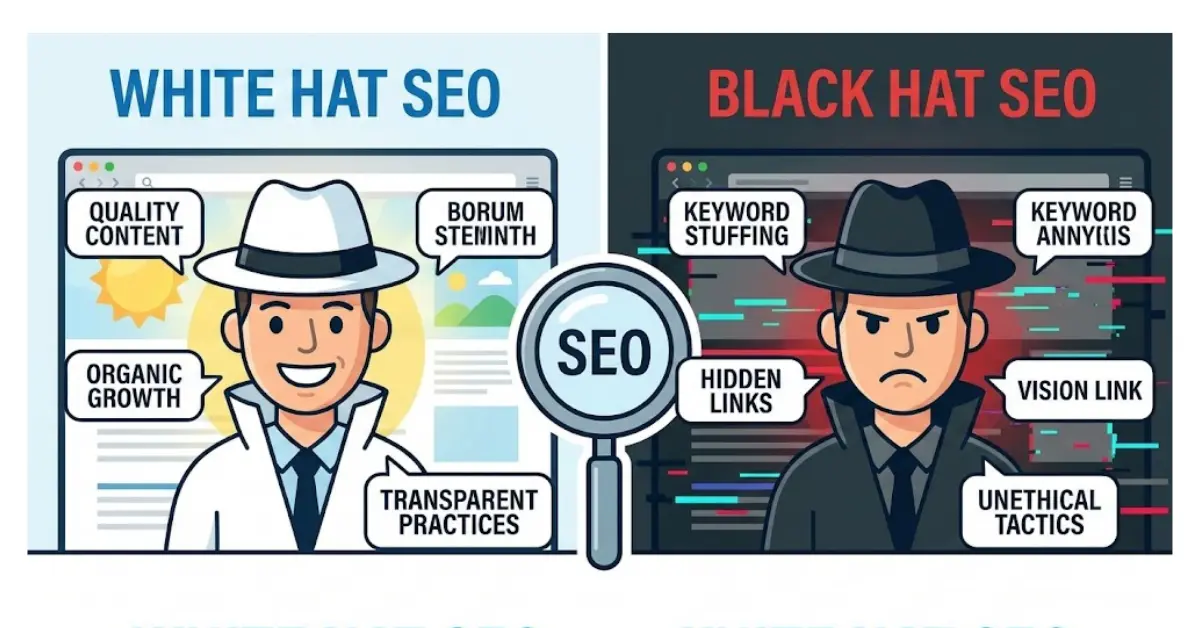
- Keyword Stuffing
Overusing keywords used to be a shortcut in traditional SEO, but AI models ignore fluff. In fact, a Semrush study found that keyword‑stuffed pages were 32% less likely to be cited in AI Overviews. Instead, focus on natural language and semantic depth.
- Thin Content
AI Overviews won’t cite weak or shallow pages. If your article is under 500 words with no depth, it’s unlikely to be chosen. Google favors comprehensive, authoritative guides that demonstrate expertise.
- No Expertise (EEAT Gap)
Purely AI‑generated content without human insight gets overlooked. Google’s AI looks for experience and expertise — case studies, author bios, and firsthand examples. A LinkedIn analysis showed that sites with clear author credentials were 28% more likely to be trusted.
- Poor Formatting
Long, unstructured paragraphs are hard for AI to parse. Without headings, lists, or tables, your content becomes invisible to machine readers.
Takeaway:
- For SEO beginners, avoid shortcuts like keyword stuffing.
- For professionals, balance automation with human expertise.
- For marketing enthusiasts, remember that credibility is everything — EEAT is the deciding factor.
If your content lacks clarity, depth, and trust signals, Google’s AI won’t cite it. Focus on structured, authoritative writing to avoid these pitfalls.
Beyond Google: How to Get Cited in LLM Tools
SEO no longer stops at Google. Increasingly, AI assistants like ChatGPT, Gemini, Claude, and Perplexity are becoming the first place users turn for answers. These tools don’t just generate text — they often cite sources to back up their responses. Being cited here can drive referral traffic, boost brand authority, and position your site as a trusted voice in the AI era.
🔑 How LLMs Choose Sources
- Freshness: LLMs prefer up‑to‑date content. Outdated stats or stale blog posts are less likely to be cited.
- Authority: Trusted domains with strong backlink profiles and topical depth are prioritized.
- Structure: Clear, well‑formatted answers (headings, lists, FAQs) are easier for AI to extract.
- Perplexity AI reports that users click citations in 60% of queries, showing the real traffic potential of being cited.
How to Optimize for LLM Citations
- Publish Evergreen + Fresh Content: Keep articles updated with new data and examples.
- Use Clear Headings & FAQs: LLMs love structured answers that map directly to user queries.
- Build Domain Authority: Backlinks, topical clusters, and consistent publishing strengthen credibility.
- Be Transparent: Cite your own sources and include author bios — LLMs reward trustworthy content.
Why It Matters
For SEO beginners, this means focusing on clarity and structure. For professionals, it’s about building authority through EEAT signals. And for marketing enthusiasts, it’s about recognizing that AI tools are shaping consumer behavior as much as search engines. If your content is fresh, authoritative, and trustworthy, you’ll not only rank in Google’s AI Overviews but also become a go‑to source for LLMs worldwide.
Future of AI Overviews & LLM Citations
The future of search is undeniably intertwined with AI Overviews and LLM citations. What started as an experimental feature in Google Search has quickly become a mainstream way users consume information. Experts predict that by 2027, more than 50% of informational queries will trigger AI Overviews, fundamentally reshaping how SEO professionals measure success. At the same time, large language models (LLMs) like ChatGPT, Gemini, Claude, and Perplexity are increasingly citing external sources to build trust with users. This means your content strategy must evolve to serve both search engines and AI assistants.
For SEO beginners, this future demands learning AI‑friendly content strategies early — writing with clarity, using structured formats, and demonstrating EEAT. For professionals, it’s about adapting KPIs beyond rankings and traffic to include AI citations as a measure of authority. Imagine reporting not just “we rank #1 for X keyword” but “we’re cited in Google’s AI Overview and referenced by ChatGPT.” That’s a new level of credibility.
For marketing enthusiasts, the future is about seeing SEO as part of a bigger ecosystem where search engines and AI assistants coexist. Users may start their journey in Google, continue in ChatGPT, and validate in Perplexity — and your content needs to be present across all touchpoints.
The future belongs to sites that embrace EEAT, publish authoritative content, and adapt to AI‑driven discovery. Those who do will not only survive but thrive in the age of AI Overviews and LLM citations.
Conclusion
Ranking in AI Overviews and being cited by LLMs like ChatGPT, Gemini, Claude, and Perplexity isn’t about tricking algorithms or chasing shortcuts. It’s about helping users with clear, trustworthy answers. Google’s AI and modern language models are designed to reward content that demonstrates EEAT — experience, expertise, authoritativeness, and trustworthiness. If your content consistently checks those boxes, you’ll naturally position yourself as a source worth citing.
For SEO beginners, the journey starts with clarity. Focus on answering questions directly, structuring your content with headings and FAQs, and avoiding keyword stuffing. Even small blogs can get cited if they provide genuine value.
For SEO professionals, the challenge is to layer in authority signals. That means building topical depth, earning backlinks, publishing case studies, and keeping content fresh. Think beyond rankings — citations in AI Overviews and LLMs are the new measure of credibility.
For marketing enthusiasts, this is the moment to embrace the future of search. Users are no longer confined to Google; they’re asking questions across multiple AI platforms. If your content is present, trustworthy, and authoritative, you’ll capture attention wherever discovery happens.
Success in the age of AI Overviews and LLM citations isn’t about gaming the system. It’s about consistently publishing structured, authoritative content that proves you’re a reliable voice. Do that, and you’ll not only rank in Google’s AI Overviews but also become a trusted source across the AI ecosystem.