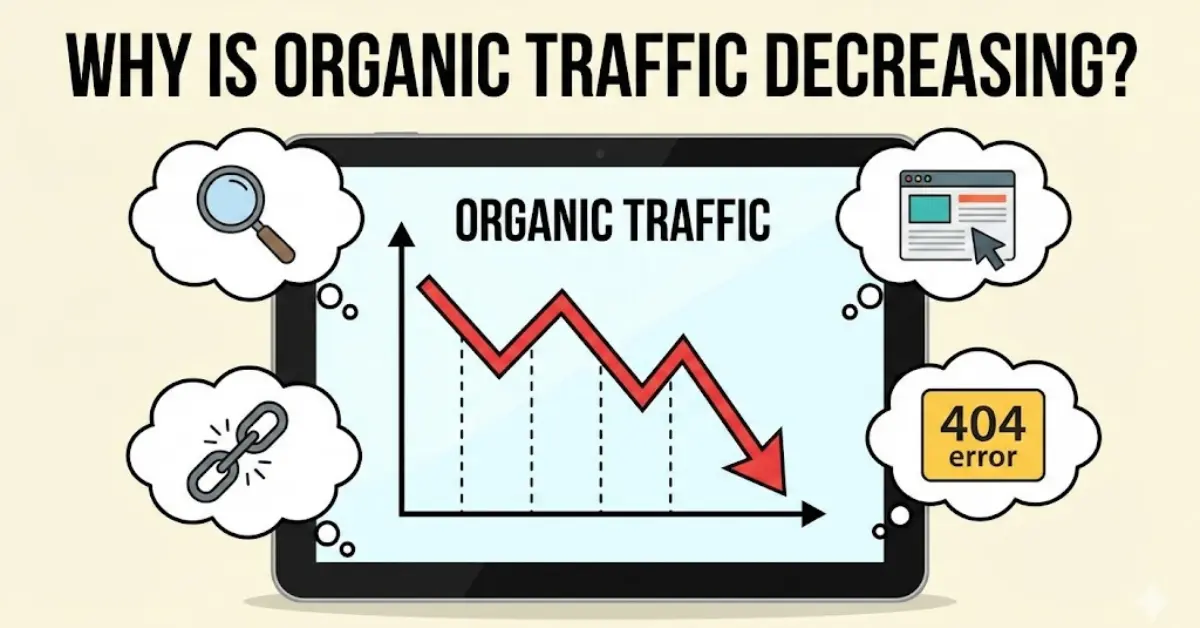
Organic traffic refers to visitors who land on a website through unpaid search results, typically from search engines like Google. Unlike paid advertising, which stops delivering once the budget runs out, organic traffic reflects genuine user interest and intent. It is widely considered the most valuable form of traffic because it often leads to higher engagement and conversions.
In fact, a BrightEdge study found that organic search drives 53% of all website traffic, making it the single largest contributor to digital visibility and success.
For businesses, this means that ranking well in organic search is not just about clicks and it’s about building long-term credibility and trust.
However, despite continued investment in SEO, many organizations are seeing a decline in organic traffic. This raises an important concern: why is organic traffic decreasing even when SEO efforts are in place? The reasons are multifaceted, including Google’s frequent algorithm updates that demand stronger EEAT (Expertise, Experience, Authoritativeness, and Trustworthiness) signals, rising competition as millions of new content pieces are published daily, and evolving user behavior such as mobile-first browsing and voice search.
A 2025 SEMrush report revealed that over 60% of websites experienced traffic volatility after major algorithm updates, underscoring the challenge of keeping pace with evolving standards.
The good news is that declines in organic traffic are not permanent. With the right strategies from refreshing outdated content and improving technical SEO to aligning with user intent and strengthening EEAT and businesses can reverse the trend and regain visibility.
Organic traffic may be falling, but with the right strategies, you can reverse the trend. By focusing on credibility, quality, and user experience, companies can not only recover lost traffic but also build a sustainable foundation for long-term digital success.
WHY ORGANIC TRAFFIC IS DECREASING
Algorithm Updates
Google’s frequent algorithm updates are designed to prioritize EEAT (Expertise, Experience, Authoritativeness, Trustworthiness). Thin, low-quality content that lacks credible sources or expert input is penalized, while authoritative, well-structured articles rise in rankings.
A SEMrush study in 2025 revealed that over 60% of websites experienced traffic volatility after major updates, showing how critical it is to adapt. Businesses that fail to meet evolving standards often see sharp declines in organic traffic. To stay competitive, brands must invest in expert-led content, transparent sourcing, and technical compliance, ensuring their sites align with Google’s quality-first approach.
Increased Competition
The digital landscape is saturated with businesses producing content daily, making it harder to stand out. With millions of blog posts published each month, even niche keywords face intense competition. According to WordPress data, over 70 million new posts are published monthly, highlighting the scale of content growth.
This surge means generic or surface-level articles are quickly buried. To overcome this, businesses must differentiate with unique insights, case studies, and multimedia that demonstrate expertise and originality. EEAT-driven strategies help establish authority, ensuring content rises above competitors and attracts sustainable organic traffic.
Poor Technical SEO
Technical SEO issues are a silent killer of organic traffic. Slow site speed, broken links, and crawl errors prevent Google from properly indexing content. Research by Google shows that 53% of mobile users abandon sites that take longer than 3 seconds to load, underscoring the importance of speed.
Poor technical foundations erode trust and frustrate users, leading to higher bounce rates. EEAT also ties into technical SEO, which is a secure, accessible, and well-structured site signals trustworthiness. Businesses must audit regularly, fix errors, and optimize Core Web Vitals to maintain visibility and user confidence.
Misaligned Content
Organic traffic declines when content fails to match user intent. If a page optimized for “buy vegan cake mix” only offers recipes, users leave quickly, increasing bounce rates. Google’s AI-driven semantic search evaluates whether content truly satisfies queries. A HubSpot report found that content aligned with user intent generates 2.5 times more engagement than misaligned articles.
EEAT reinforces this: authoritative, relevant content builds trust and credibility. Businesses must analyze search intent such as informational, transactional, or navigational and tailor strategies accordingly. Matching intent ensures users find value, reducing drop-offs and boosting organic performance.
Overreliance on Paid Ads
Many businesses neglect organic strategies in favor of paid ads, chasing short-term traffic spikes. While ads deliver immediate visibility, they lack the trust signals of organic results. BrightEdge reports that organic search drives 53% of all website traffic, far surpassing paid channels.
Overreliance on ads means once budgets dry up, traffic collapses. EEAT-driven organic content, however, builds credibility and long-term equity. Businesses must balance paid campaigns with sustainable SEO investments, ensuring they capture traffic that is both cost-effective and trustworthy. Ignoring organic strategies leads to dependency and eventual decline in visibility.
Content Saturation
Search engines are flooded with generic, repetitive content, making it harder for individual pages to rank. With millions of articles published daily, thin or duplicated content is quickly ignored. A study by Ahrefs revealed that 96.55% of content gets no traffic from Google, largely due to lack of originality.
EEAT helps combat saturation by rewarding unique, expert-driven insights. Businesses must focus on producing distinctive resources such as original research, case studies, or multimedia that stand out in crowded niches. Without differentiation, content blends into the noise, causing organic traffic to steadily decline.
Declining Backlink Quality
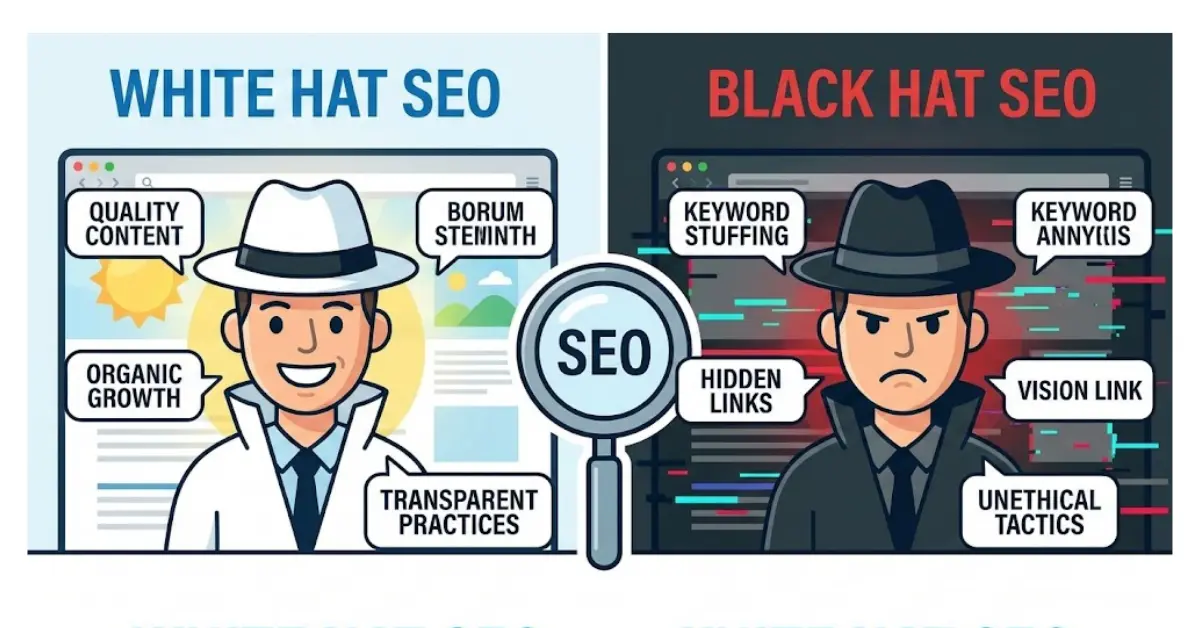
Backlinks remain a top-ranking factor, but low-quality or spammy links can harm credibility. Moz confirms that backlinks are among the top three ranking signals, yet Google penalizes manipulative practices. Businesses relying on irrelevant or paid links risk losing trust and visibility.
EEAT emphasizes authoritativeness, meaning backlinks must come from reputable, relevant sources. For example, a citation from a government site carries far more weight than dozens of links from low-quality blogs. Declining backlink quality erodes authority, leading to traffic drops. Sustainable link-building through PR, guest posting, and shareable resources is essential.
Mobile & UX Issues
Poor mobile optimization and weak user experience drive users away, reducing organic traffic. With mobile-first indexing, Google evaluates mobile usability as the primary version of a site. Research shows that over 60% of searches now occur on mobile devices, making responsiveness critical. Slow load times, cluttered navigation, or inaccessible design frustrate users, increasing bounce rates.
EEAT ties into UX as trustworthy sites prioritize accessibility and usability. Businesses must invest in responsive design, clear navigation, and inclusive features to retain visitors. Without strong UX, even high-ranking pages struggle to sustain organic traffic.
Voice & Semantic Search Shift
Voice search and semantic queries are reshaping SEO. Users now ask conversational questions like “What’s the easiest vegan cake recipe?” rather than typing short keywords. Content not optimized for these natural queries risks invisibility. According to PwC, 71% of consumers prefer voice search for convenience, highlighting its growing role.
Semantic search also evaluates context, synonyms, and intent. EEAT-driven content that answers questions clearly and comprehensively is more likely to rank. Businesses must adapt by using structured data, FAQs, and conversational language to align with evolving search behaviors and maintain organic visibility.
Lack of Performance Tracking
Failing to track performance is a major reason organic traffic decline. Without analytics, businesses cannot identify which strategies work or where improvements are needed. A study by HubSpot found that companies tracking SEO metrics are 2.5 times more likely to achieve growth goals. EEAT emphasizes transparency and accountability, which extend to monitoring results.
Tools like Google Analytics and Search Console provide insights into traffic sources, keyword rankings, and user behavior. Businesses that ignore tracking miss opportunities to refine strategies, leading to stagnation. Continuous measurement ensures adaptation, sustaining organic traffic growth over time.
CHALLENGES BUSINESSES FACE
As organic traffic becomes increasingly vital for digital success, many businesses are struggling to maintain visibility. The decline often stems from a combination of technical, strategic, and content-related challenges. Understanding these obstacles is the first step toward recovery, especially when viewed through the lens of EEAT (Expertise, Experience, Authoritativeness, Trustworthiness) — the framework Google uses to evaluate quality and credibility.
- Difficulty Keeping Up with Algorithm Changes: Google’s algorithms evolve constantly, with updates designed to prioritize trustworthy, high-quality content. For businesses, keeping pace is daunting. A SEMrush study in 2025 revealed that over 60% of websites experienced traffic volatility after major algorithm updates, underscoring the impact of these changes. Companies that fail to adapt quickly often see rankings drop, especially if their content lacks depth or authority. Staying updated requires continuous monitoring, technical audits, and a commitment to EEAT-driven practices.
- Rising Costs of Paid Ads as Organic Declines: As organic traffic decreases, many businesses turn to paid ads to compensate. While ads deliver immediate visibility, they are expensive and unsustainable long-term. Overreliance on ads erodes profitability and leaves businesses vulnerable when budgets shrink. Without strong organic foundations, companies risk dependency on paid campaigns that fail to build trust or lasting engagement.
- Struggle to Produce Unique, Authoritative Content: Content saturation is another major challenge. With millions of blog posts published daily, generic articles are quickly buried. Businesses often struggle to produce unique, authoritative resources that stand out. EEAT emphasizes expertise and originality as meaning brands must invest in expert-led articles, case studies, and multimedia to demonstrate authority and earn visibility.
- Misunderstanding of EEAT Requirements: Perhaps the most critical challenge is misunderstanding EEAT itself. Many businesses assume keyword optimization alone is enough, ignoring credibility signals like author expertise, transparent sourcing, and secure site practices. Yet Google explicitly rewards content that demonstrates trustworthiness. A Search Engine Land survey found that 72% of users trust content more when expert credentials are visible, proving EEAT’s direct influence on user behavior. Misinterpreting or neglecting these requirements leads to declining rankings and lost traffic.
These challenges highlight why is organic traffic decreasing despite SEO investment. Businesses that fail to adapt to algorithm changes, rely too heavily on ads, produce generic content, or misunderstand EEAT risk losing visibility. The solution lies in embracing EEAT, prioritizing originality, and building sustainable strategies that align with Google’s evolving standards.
10 WAYS TO FIX AND HARNESS ORGANIC TRAFFIC GROWTH
1 Conduct an EEAT Audit
An EEAT audit is the foundation for restoring organic traffic. Google’s algorithms increasingly reward websites that demonstrate Expertise, Experience, Authoritativeness, and Trustworthiness. This means businesses must evaluate whether their content is authored by credible experts, backed by authoritative sources, and presented transparently.
For example, a health blog should clearly display the credentials of its contributors, cite peer-reviewed studies, and maintain a secure browsing environment. A Search Engine Journal survey revealed that 72% of users trust content more when expert credentials are visible, proving the direct impact of EEAT on user confidence.
Conducting an EEAT audit involves reviewing author bios, updating citations, ensuring HTTPS security, and eliminating thin or misleading content. It also requires aligning tone and structure with user expectations, making information accessible and trustworthy. By embedding EEAT principles into every page, businesses not only regain rankings but also build long-term credibility.
In competitive niches like finance, law, or healthcare, EEAT compliance is non-negotiable. An audit ensures your site meets Google’s evolving standards, positioning it as a reliable source that users and search engines can trust.
2 Re-Optimize for Long-Tail & Intent-Based Keywords
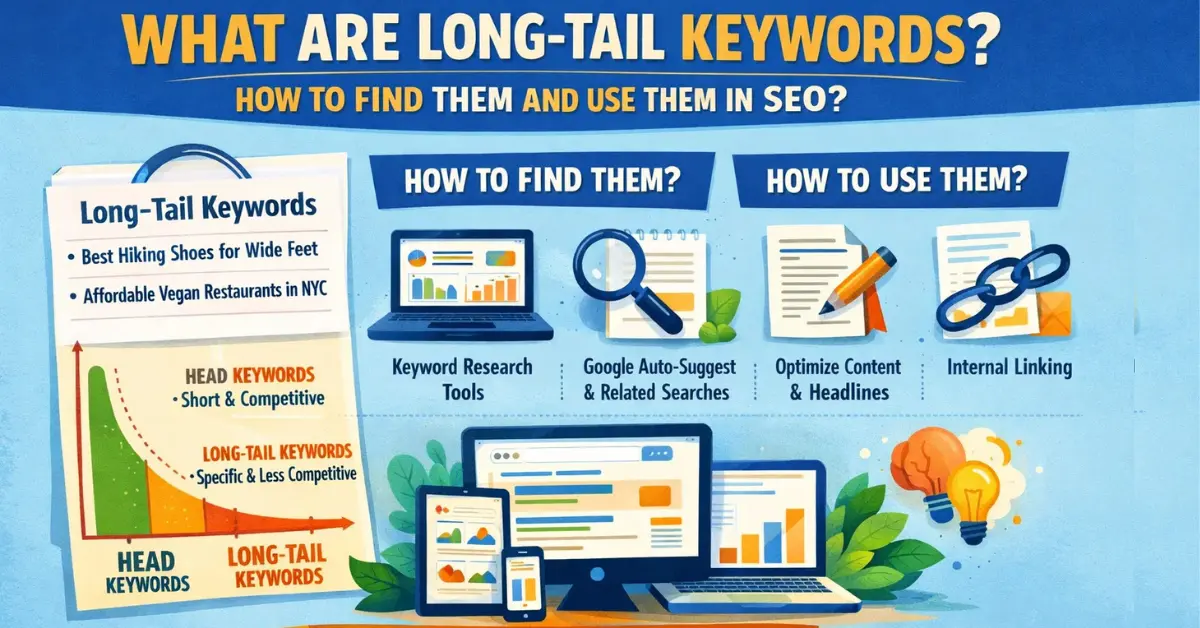
Long-tail and intent-based keywords are critical for capturing qualified traffic. Unlike broad terms, long-tail queries reflect specific user needs and often signal readiness to act. For instance, “best gluten-free vegan birthday cake recipe” is far more targeted than “cake recipe.” Ahrefs reports that 92% of all keywords searched are long-tail, highlighting their massive potential.
Re-optimizing content for these queries ensures alignment with user intent whether informational, transactional, or navigational. Businesses should analyze search behavior, identify niche opportunities, and craft content that directly answers questions. Intent-based optimization also means structuring content to satisfy conversational queries, especially with the rise of voice search.
For example, including FAQs or natural language headings improves visibility in semantic search. EEAT plays a role here too: authoritative, well-sourced content ensures users trust the answers they find. By focusing on long-tail and intent-driven keywords, businesses reduce competition, attract highly engaged visitors, and increase conversion rates.
This strategy transforms organic traffic from mere clicks into meaningful interactions, ensuring growth is both sustainable and aligned with evolving search behaviors.
3 Invest in High-Quality, Updated Content
High-quality, updated content is the backbone of organic traffic recovery. Google rewards depth, originality, and freshness, penalizing thin or outdated articles. HubSpot found that long-form content generates 77% more backlinks than short posts, proving its role in authority building.
Businesses must refresh old posts with current statistics, add new examples, and expand sections to provide comprehensive coverage. For instance, updating “SEO Trends in 2022” into “SEO Trends in 2026” with fresh insights ensures relevance. EEAT principles demand that content be authored or reviewed by experts, cite authoritative sources, and present information transparently. This builds trust and credibility, especially in YMYL niches like finance or health.
High-quality content also improves engagement metrics as longer dwell times, lower bounce rates, and higher conversions. Multimedia elements such as visuals or case studies further enrich the experience. By consistently investing in updated, in-depth content, businesses position themselves as thought leaders, earning both rankings and user loyalty.
In a saturated digital landscape, freshness and authority are the differentiators that sustain organic traffic growth.
4 Improve Technical SEO
Technical SEO ensures that Google can crawl, index, and evaluate your site effectively. Without a strong technical foundation, even the best content may fail to rank. Site speed is critical as Google research shows that 53% of mobile users abandon sites that take longer than 3 seconds to load.
Core Web Vitals include measuring loading performance, interactivity, and visual stability and remain central to rankings. Businesses must fix crawl errors, optimize sitemaps, and implement structured data to improve visibility in rich results.
Mobile optimization is equally important, as mobile-first indexing means Google evaluates the mobile version of a site first. EEAT ties into technical SEO through trust signals like HTTPS security and accessibility features. A secure, fast, and user-friendly site demonstrates responsibility and professionalism, reinforcing credibility.
Regular audits using tools like Google Search Console help identify issues before they impact traffic. By improving technical SEO, businesses not only enhance rankings but also deliver a seamless user experience, ensuring that organic traffic growth is sustainable and aligned with Google’s evolving standards.
5 Enhance User Experience & Mobile Optimization
User experience (UX) and mobile optimization are decisive factors in organic traffic growth. With mobile devices accounting for over 60% of searches globally, responsive design is non-negotiable. Poor navigation, slow load times, or inaccessible design frustrate users, increasing bounce rates and reducing engagement.
Forrester reports that a well-designed UX can increase conversion rates by up to 400%, proving its direct impact on business outcomes. Enhancing UX means simplifying menus, improving readability, and ensuring accessibility for all users, including those with disabilities. EEAT principles reinforce this: trustworthy sites prioritize usability and inclusivity, signaling responsibility to both users and search engines.
Mobile optimization requires fast-loading pages, touch-friendly interfaces, and adaptive layouts that work seamlessly across devices. Businesses should conduct usability testing, analyze heatmaps, and refine design based on user behavior. By prioritizing UX and mobile readiness, companies not only retain visitors but also build trust and credibility. In 2026, enhancing user experience is not just about aesthetics — it’s about aligning with EEAT, improving engagement, and ensuring that organic traffic translates into meaningful conversions.
6 Build Strong Internal Linking & Topic Clusters
Internal linking and topic clusters are powerful strategies for building semantic authority. Instead of publishing isolated articles, businesses should create interconnected content hubs. A pillar article, such as “Vegan Baking Basics,” can serve as the central resource, linking to cluster posts like “Gluten-Free Vegan Desserts” or “Best Vegan Ingredients.” This structure signals to Google that the site covers the topic comprehensively, improving rankings across related queries.
HubSpot’s topic cluster strategy demonstrated this impact, increasing organic traffic by over 50% in one year. Internal linking also distributes authority across pages, guiding both users and search engines to important content. From a user perspective, clusters improve navigation and encourage deeper engagement, reducing bounce rates.
EEAT is reinforced when clusters demonstrate expertise and depth in a subject area. Businesses that adopt this strategy position themselves as authoritative sources, earning trust and visibility. In 2026, topic clusters are not just a best practice but a necessity for competing in saturated niches. By strengthening internal linking and building clusters, companies create a semantic web of content that drives sustainable organic traffic growth.
7 Strengthen Backlink Profile
Backlinks remain one of the strongest ranking signals in Google’s algorithm. They act as endorsements, signaling that other sites trust and value your content. Moz confirms that backlinks are among the top three ranking factors, underscoring their importance. However, quality matters more than quantity. A single link from a respected industry publication can outweigh dozens from low-quality directories.
Effective strategies include guest posting on reputable sites, launching digital PR campaigns, and creating shareable resources like infographics or original research. For example, a finance blog cited by a government report gains authority faster than one with generic backlinks. EEAT emphasizes authoritativeness, meaning backlinks must come from reputable, relevant sources.
Declining backlink quality erodes credibility, leading to traffic drops. Building authoritative backlinks requires patience and consistency, but the rewards are substantial: higher rankings, increased visibility, and stronger trust signals. In 2026, businesses must prioritize ethical, value-driven link-building practices. By focusing on authoritative backlinks, companies strengthen their digital reputation and harness organic traffic growth effectively.
8 Leverage Multimedia & Interactive Elements
Multimedia and interactive elements enrich content, making it more engaging and shareable. Text alone often struggles to hold attention, but videos, infographics, and interactive tools enhance user experience. Wyzowl reports that 91% of businesses use video as a marketing tool, and video content increases dwell time by up to 80%. Infographics simplify complex data into digestible visuals, while interactive tools like quizzes or calculators encourage active participation.
EEAT principles tie in here: trustworthy sites provide diverse, accessible formats that demonstrate expertise and user focus. Multimedia also improves SEO signals — alt text for images and transcripts for videos enhance crawlability. From a user perspective, multimedia makes content more memorable and valuable, increasing the likelihood of shares and backlinks.
Businesses should strategically integrate multimedia to complement text, ensuring balance and relevance. In 2026, leveraging multimedia is not optional as it is essential for standing out in saturated niches. By enriching content with visuals and interactive elements, companies boost engagement, reinforce credibility, and drive sustainable organic traffic growth.
9 Align Content with Voice & Semantic Search
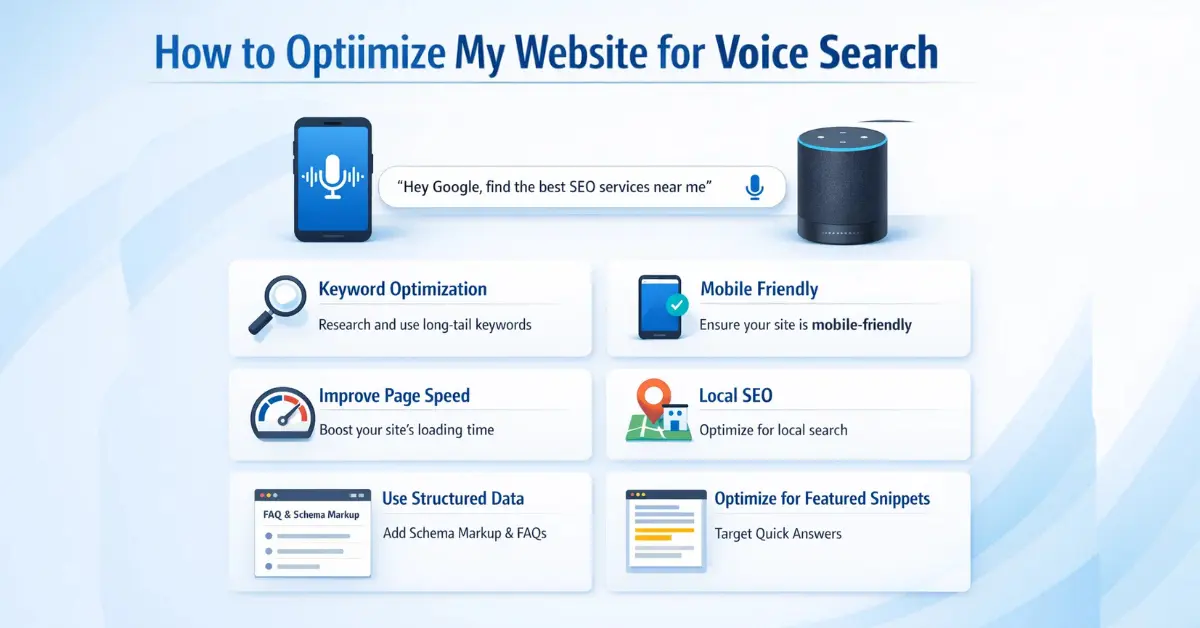
Voice search and semantic search have fundamentally changed how users interact with Google. Instead of typing short, fragmented keywords, people now ask full, conversational questions like “What’s the easiest vegan cake recipe I can make at home?” This shift requires businesses to optimize content for natural language queries.
PwC reports that 71% of consumers prefer voice search for convenience, highlighting its growing role in everyday browsing. Semantic search also evaluates context, synonyms, and user intent, meaning keyword stuffing is no longer effective. EEAT principles are critical here: content must demonstrate expertise and trustworthiness to be selected for voice results or featured snippets. Businesses should incorporate structured data, FAQ sections, and conversational headings to align with these evolving behaviors.
For example, a travel site that answers “What are the best family-friendly resorts in Bali?” directly within its content is more likely to appear in voice search results. By adapting to semantic and voice search, companies ensure their content remains discoverable, relevant, and trustworthy, driving sustainable organic traffic growth.
10 Track, Measure, and Adapt
Tracking performance is essential for fixing declining organic traffic. Without measurement, businesses cannot identify which strategies are effective or where improvements are needed. Tools like Google Analytics provide insights into traffic sources, engagement metrics, and conversions, while Search Console highlights keyword rankings and crawl errors.
HubSpot found that companies tracking SEO metrics are 2.5 times more likely to achieve growth goals, proving the importance of data-driven decision-making. EEAT ties into tracking as well — transparency and accountability are trust signals that extend to monitoring results. For example, a content team that analyzes bounce rates and dwell time can refine articles to better match user intent, improving both rankings and credibility.
Regular reporting also ensures stakeholders understand the ROI of SEO investments, fostering long-term commitment. In 2026, tracking is not optional; it is the backbone of sustainable growth. By continuously measuring and adapting strategies, businesses can respond quickly to algorithm changes, optimize user experience, and ensure that rising organic traffic translates into meaningful conversions and long-term success.
CASE STUDY
Consider two mid-sized e‑commerce sites facing declining organic traffic in 2025. Site A recognized the issue early and implemented EEAT-driven strategies, while Site B continued relying on outdated tactics.
Site A began by conducting an EEAT audit, ensuring all content was authored or reviewed by experts, with transparent citations and secure browsing. They refreshed older articles with updated statistics, optimized for long-tail queries, and improved technical SEO to meet Google’s Core Web Vitals.
Multimedia elements like product demo videos and infographics enriched user experience, while authoritative backlinks from industry publications strengthened credibility. Within 12 months, Site A’s organic traffic grew by 68%, and conversions rose by 14% compared to paid traffic, as users trusted the brand’s expertise and found content genuinely helpful.
Site B, however, ignored EEAT requirements and continued publishing thin, generic content without expert input or proper optimization. They relied heavily on paid ads, which delivered short-term spikes but collapsed once budgets tightened. Their organic traffic remained stagnant, and conversion rates hovered around 2–3%, far below Site A’s performance.
This comparison highlights a critical truth: organic recovery through EEAT-driven strategies leads to sustainable conversions, while neglecting them results in dependency on costly, unsustainable paid campaigns.
CONCLUSION
Organic traffic is the lifeblood of digital success, yet it often declines when businesses fail to adapt to evolving SEO standards. Google’s algorithms now prioritize EEAT (Expertise, Experience, Authoritativeness, Trustworthiness), meaning thin, outdated, or poorly optimized content is quickly penalized. A SEMrush study revealed that over 60% of websites experienced traffic volatility after major algorithm updates, underscoring the importance of staying aligned with Google’s quality-first approach.
Fixing declines requires a holistic strategy that integrates technical improvements, content excellence, and trust signals. Technical SEO ensures crawlability, speed, and mobile optimization, while high-quality, updated content demonstrates expertise and authority. Trust signals such as secure browsing, transparent sourcing, and expert authorship reinforce credibility and build user confidence. Together, these elements create a strong foundation for sustainable growth.
Statistics consistently show the value of organic traffic: BrightEdge reports that organic search drives 53% of all website traffic, far surpassing paid channels. Unlike ads, which vanish when budgets end, organic strategies build long-term equity and trust.
Invest in fixing your organic strategy today and it’s the most reliable path to visibility and long-term growth. By embracing EEAT and adapting holistically, businesses can not only recover lost traffic but also secure lasting digital success.
FAQs
1. Why is my website’s organic traffic decreasing despite SEO efforts?
Organic traffic often declines due to Google algorithm updates, weak EEAT signals, increased competition, poor technical SEO, or content that no longer matches user intent.
2. How do Google algorithm updates impact organic traffic?
Algorithm updates prioritize expertise, authority, and trustworthiness. Websites with thin, outdated, or low-credibility content often experience ranking drops after updates.
3. What role does EEAT play in organic traffic recovery?
EEAT helps Google evaluate content credibility. Demonstrating expert authorship, transparent sourcing, secure websites, and real-world experience improves rankings and trust.
4. Can poor technical SEO cause a drop in organic traffic?
Yes. Issues like slow page speed, crawl errors, broken links, and poor Core Web Vitals prevent proper indexing and negatively affect user experience and rankings.
5. How does content saturation affect organic search visibility?
With millions of articles published daily, generic or repetitive content struggles to rank. Unique, expert-driven content is essential to stand out and gain traffic.
6. Why is matching search intent important for organic traffic growth?
If content does not align with what users are actually searching for, bounce rates increase and rankings decline. Intent-aligned content drives higher engagement and visibility.
7. Are backlinks still important for organic traffic in 2026?
Yes, but quality matters more than quantity. Authoritative, relevant backlinks strengthen trust and rankings, while low-quality links can harm visibility.
8. How does mobile optimization influence organic traffic?
With mobile-first indexing, Google primarily evaluates the mobile version of a site. Poor mobile UX leads to higher bounce rates and ranking losses.
9. What is the impact of voice and semantic search on SEO?
Voice and semantic search favor conversational, question-based content. Optimizing for natural language queries and FAQs improves discoverability and relevance.
10. How long does it take to recover lost organic traffic?
Recovery depends on competition, technical fixes, and content quality. With consistent EEAT-driven improvements, many sites see measurable gains within 3-6 months.