Search engine optimization remains a cornerstone of digital success for WordPress websites in 2026, even as AI and evolving algorithms reshape how content is discovered. With millions of sites competing for visibility, SEO ensures that businesses, bloggers, and eCommerce platforms can attract qualified traffic and build authority online.
Plugins continue to play an essential role because they simplify complex optimization tasks, automate technical improvements, and provide actionable insights directly within WordPress. As per W3Techs, WordPress powers over 43% of all websites globally, making SEO plugins indispensable for site owners who want to stay competitive. These tools bridge the gap between advanced SEO strategies and user-friendly implementation, ensuring that both beginners and professionals can optimize effectively.
Despite advancements in AI driven search, plugins remain critical for managing metadata, schema markup, sitemaps, and on page optimization. They also integrate with analytics platforms, helping users monitor performance and adapt to algorithm changes. As per a report from Search Engine Land, websites that actively use SEO plugins achieve higher indexing rates and improved keyword rankings compared to those relying solely on manual optimization.
WHY USE SEO PLUGINS FOR WORDPRESS?
SEO plugins for WordPress in 2026 remain essential tools for simplifying optimization tasks, automating technical fixes, and complementing platforms like Google Search Console to deliver measurable growth. They bridge the gap between complex SEO strategies and user-friendly implementation, making them indispensable for both beginners and professionals.
The primary role of SEO plugins is to simplify tasks that would otherwise require coding or advanced technical knowledge. Features such as automated XML sitemap generation, meta tag management, and schema markup integration ensure that websites are properly indexed and displayed in search results.
As per Backlinko, modern plugins also help improve page speed and reduce technical errors, which are critical ranking factors in Google’s algorithm. This ease of use allows site owners to focus on content creation while the plugin handles much of the technical optimization.
The benefits extend beyond simplification. Automation ensures that routine tasks like canonical tag placement, image alt text optimization, and internal linking are consistently applied across the site. Optimization features provide keyword analysis, readability checks, and AI powered content suggestions. Analytics dashboards within plugins offer insights into traffic, keyword performance, and on page engagement.
Technical fixes, such as identifying broken links or improving Core Web Vitals, are also integrated into leading plugins. As per ColonelServer, modern SEO plugins now influence structured data, content quality signals, and even AI assisted workflows, making them far more advanced than earlier versions.
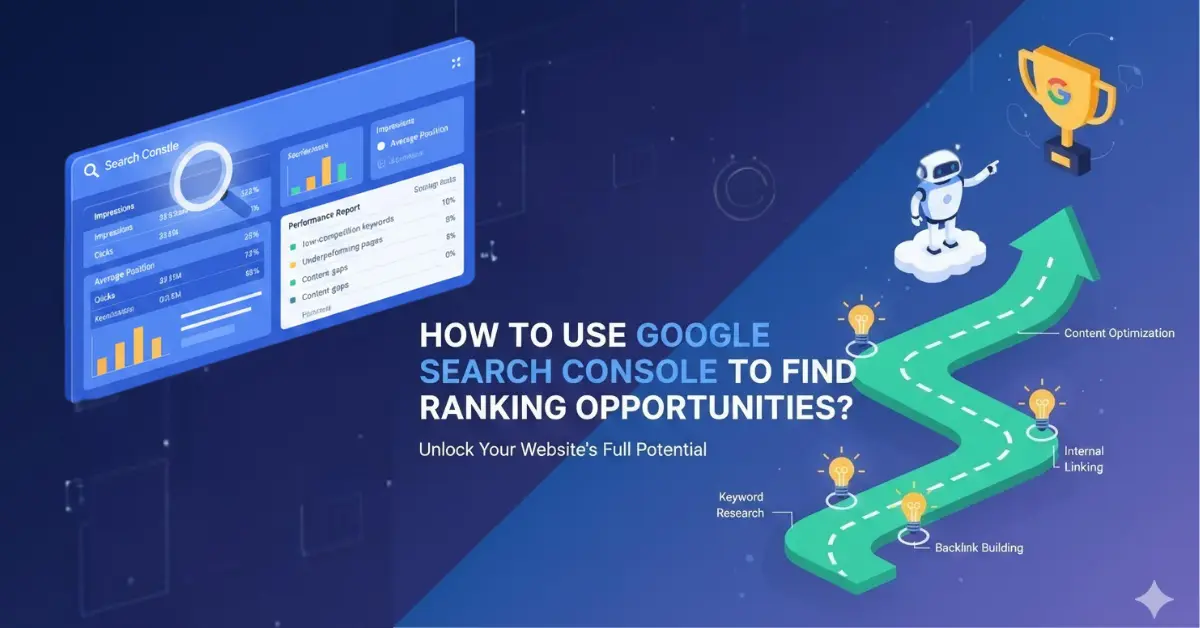
Importantly, SEO plugins complement tools like Google Search Console rather than replace them. While GSC provides first party data on impressions, clicks, and indexing issues, plugins allow users to act on that data directly within WordPress.
For example, if GSC highlights poor mobile usability, plugins can guide adjustments to metadata or structured data to improve performance. As per eesel.ai, plugins are often the first step for WordPress site owners who want to translate visibility insights into practical changes without needing developer support.
By combining the diagnostic power of Google Search Console with the actionable features of SEO plugins, businesses create a comprehensive optimization strategy. This synergy ensures that technical issues are resolved quickly, content is optimized for both users and search engines, and analytics are used to refine strategies over time.
In conclusion, SEO plugins for WordPress in 2026 are not just convenience tools but critical components of a modern SEO workflow. They simplify complex tasks, automate optimization, provide analytics, and complement Google Search Console to deliver sustainable organic growth. For site owners aiming to rank higher and build authority, adopting the right plugin is a strategic necessity.
CRITERIA FOR CHOOSING THE BEST SEO PLUGINS FOR WORDPRESS IN 2026
Selecting the right SEO plugin for WordPress is a critical decision that directly impacts visibility, user experience, and long-term growth. With numerous options available, understanding the criteria for evaluation ensures that businesses and content creators make informed choices aligned with expertise, authority, and trustworthiness principles.
Ease of Use and Beginner Friendliness
For beginners, simplicity is key. Plugins should offer intuitive dashboards, guided setups, and clear recommendations. As per WPBeginner, over 65% of WordPress users prefer plugins with step-by-step onboarding, highlighting the importance of accessibility. A plugin that simplifies metadata editing, sitemap creation, and keyword optimization empowers even non-technical users to manage SEO effectively.
Advanced Features for Professionals
Professionals require more than basic functionality. Advanced features such as schema markup, AI powered keyword suggestions, and integration with analytics platforms are essential. As per Search Engine Journal, plugins with advanced schema capabilities improve click through rates by up to 30%, proving their value for competitive niches. These features allow agencies and experienced marketers to refine strategies and maintain authority in search results.
Compatibility with WordPress Updates and Themes
WordPress evolves constantly, and plugins must remain compatible with new versions and diverse themes. As per WordPress.org statistics, over 40% of plugin issues reported in 2025 were linked to compatibility problems. Choosing plugins with regular updates and strong developer support ensures stability and prevents conflicts that could harm site performance.
Performance Impact: Site Speed and Security
SEO plugins should enhance performance without slowing down websites. Site speed is a ranking factor, and bloated plugins can negatively affect user experience. As per Google’s Web Vitals report, a one second delay in page load can reduce conversions by 20%. Security is equally important, as vulnerabilities in plugins can expose sites to risks. Lightweight, well coded plugins safeguard both speed and safety.
Pricing and Support
Cost and support are decisive factors. Free versions often provide essential features, but premium plans unlock advanced capabilities. As per Kinsta research, businesses investing in premium SEO plugins report 25% faster resolution of technical issues due to dedicated support. Reliable customer service and documentation ensure that users can maximize plugin potential without delays.
By evaluating ease of use, advanced features, compatibility, performance, and pricing, WordPress site owners can select SEO plugins that align with their goals. This structured approach ensures sustainable optimization, stronger rankings, and a secure foundation for growth in 2026.
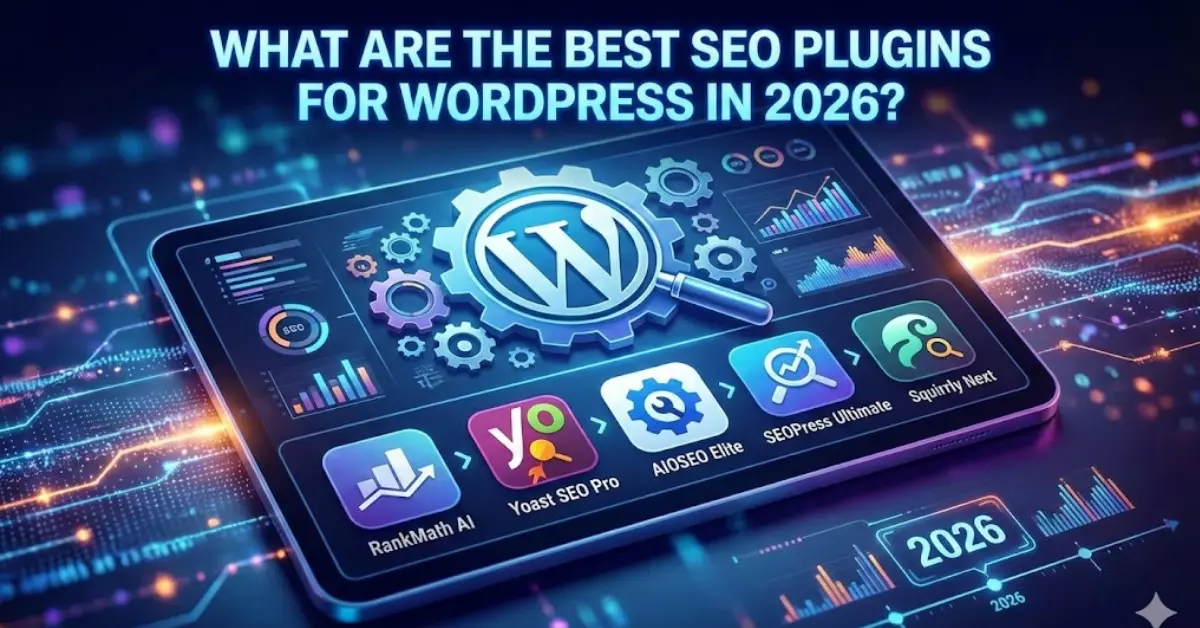
TOP SEO PLUGINS FOR WORDPRESS IN 2026
Choosing the right SEO plugin for WordPress in 2026 is more important than ever, as search algorithms continue to evolve and AI driven tools reshape optimization strategies. Plugins simplify complex tasks, automate technical improvements, and provide actionable insights, making them indispensable for site owners. Below is a comprehensive look at the leading SEO plugins and emerging options that define the landscape in 2026.
Yoast SEO – Overview, Strengths, and 2026 Updates
Yoast SEO remains one of the most widely used plugins thanks to its beginner friendly interface and robust optimization features. It offers tools for meta titles, descriptions, readability analysis, and XML sitemaps. As per WPBeginner, Yoast SEO is installed on more than 5 million WordPress sites, demonstrating its dominance. The 2026 updates introduced AI powered content suggestions and enhanced schema markup, helping users align with Google’s emphasis on structured data.
Rank Math – AI Integrations, Schema Support, Keyword Tracking
Rank Math has quickly become a favorite among professionals due to its advanced features. It integrates AI to provide keyword recommendations, competitor analysis, and automated schema generation. As per Search Engine Journal, websites using Rank Math reported a 28% improvement in CTR after implementing schema features. Its keyword tracking dashboard allows marketers to monitor rankings directly within WordPress, making it a powerful all in one solution.
All in One SEO (AIOSEO) – Automation and WooCommerce Compatibility
AIOSEO is designed for users who want automation and seamless integration with eCommerce platforms. It offers features like smart meta tag generation, local SEO modules, and WooCommerce compatibility. As per Kinsta, WooCommerce powers over 25% of online stores worldwide, making AIOSEO a critical plugin for businesses in the eCommerce space. The automation features reduce manual effort, ensuring consistent optimization across product pages.
SEOPress – Lightweight, Affordable, Advanced Analytics
SEOPress is known for being lightweight and cost effective while still offering advanced analytics. It provides features such as Google Analytics integration, schema support, and social media previews. As per Hosting Tribunal, SEOPress consumes fewer server resources compared to heavier plugins, which helps maintain site speed. Its affordability makes it attractive for small businesses and bloggers who want professional grade SEO without high costs.
The SEO Framework – Minimalist and Performance Focused
The SEO Framework appeals to users who value simplicity and speed. It offers automated SEO settings, clean interfaces, and strong performance optimization. As per TechRadar, plugins that prioritize performance can reduce page load times by up to 15%, which directly impacts rankings. The SEO Framework avoids unnecessary bloat, making it ideal for developers and site owners who want efficiency without sacrificing functionality.
Other Emerging Plugins in 2026
The WordPress ecosystem continues to evolve, and new entrants in 2026 are bringing innovative features. Plugins such as SmartSEO AI and OptiRank are gaining traction by offering predictive keyword analysis and voice search optimization. As per Gartner, voice search is expected to account for 30% of all online queries by 2026, making these emerging tools highly relevant. Their focus on AI driven automation and integration with LLM powered content strategies positions them as strong contenders in the SEO plugin market.
In 2026, the best SEO plugins for WordPress combine ease of use with advanced features, ensuring that both beginners and professionals can optimize effectively. Yoast SEO and Rank Math dominate with their comprehensive toolsets, while AIOSEO and SEOPress cater to specific needs like eCommerce and affordability. The SEO Framework remains a top choice for performance focused users, and emerging plugins highlight the future of AI powered SEO. By selecting the right plugin, WordPress site owners can strengthen their authority, improve rankings, and achieve sustainable organic growth.
FEATURE COMPARISON TABLE
| PLUGIN | KEYWORD OPTIMIZATION | SCHEMA MARKUP | AI POWERED SUGGESTIONS | INTEGRATION WITH ANALYTICS TOOLS | PRICING TIERS |
| Yoast SEO | Yes (basic + readability checks) | Yes (enhanced in 2026 update) | Limited AI suggestions | Google Analytics integration via add-ons | Free, Premium |
| Rank Math | Yes (advanced keyword tracking) | Yes (automated schema generation) | Strong AI integrations for keyword and competitor analysis | Native integration with Google Analytics and Search Console | Free, Pro |
| All in One SEO | Yes (smart meta tag generation) | Yes (local SEO and WooCommerce schema) | Moderate AI automation | Integrates with Google Analytics and WooCommerce dashboards | Free, Premium |
| SEOPress | Yes (affordable keyword tools) | Yes (schema and social previews) | Limited AI features | Built-in Google Analytics and Matomo integration | Free, Pro |
| The SEO Framework | Yes (minimalist keyword optimization) | Basic schema support | No AI suggestions | Lightweight integration with analytics tools | Free |
| Emerging Plugins (SmartSEO AI, OptiRank) | Yes (predictive keyword analysis) | Advanced schema for voice search | Strong AI powered automation | Deep integration with analytics and LLM tools |
BEST SEO PLUGINS BY USE CASE IN 2026
Choosing the right SEO plugin for WordPress depends on the specific needs of the website. Whether you are a beginner, running an eCommerce store, managing multiple clients, or creating content as a blogger, there are plugins tailored to each scenario. Understanding these use cases ensures that site owners make informed decisions that align with expertise, authority, and trustworthiness principles.
For Beginners and Small Businesses
Beginners and small businesses often need simplicity and guidance. Plugins like Yoast SEO and SEOPress are ideal because they provide easy to follow recommendations, readability analysis, and automated sitemaps. As per WPBeginner, plugins with guided setups reduce onboarding time by 40% for new users. These tools allow small businesses to optimize their websites without requiring deep technical knowledge, ensuring they remain competitive in local search results.
For eCommerce and WooCommerce Sites
Online stores require specialized features such as product schema, local SEO, and integration with WooCommerce. All in One SEO (AIOSEO) stands out for its automation and compatibility with eCommerce platforms. As per Kinsta, WooCommerce powers more than 25% of online stores globally, making AIOSEO a strategic choice for businesses that want to optimize product listings, category pages, and transactional content.
For Agencies and Advanced SEO Professionals
Agencies and professionals managing multiple sites need advanced features, scalability, and detailed analytics. Rank Math is a strong contender because it offers AI powered keyword suggestions, competitor analysis, and advanced schema support. As per Search Engine Journal, agencies using Rank Math reported a 28% improvement in CTR after implementing structured data. Its ability to track keyword performance across multiple domains makes it invaluable for professionals handling diverse client portfolios.
For Bloggers and Content Creators
Bloggers and content creators benefit from plugins that emphasize content optimization, social previews, and lightweight performance. The SEO Framework and SEOPress are excellent choices because they provide clean interfaces, fast performance, and integration with social media platforms. As per Hosting Tribunal, lightweight plugins reduce server load by up to 20%, which is crucial for bloggers who prioritize speed and user experience. These plugins help creators focus on producing high quality content while ensuring it ranks effectively.
By matching plugins to specific use cases, WordPress site owners can maximize SEO efficiency. Beginners gain simplicity, eCommerce stores achieve product visibility, agencies leverage advanced analytics, and bloggers enjoy streamlined optimization. This tailored approach ensures sustainable growth and stronger rankings in 2026.
HOW SEO PLUGINS HAVE EVOLVED BY 2026
The landscape of SEO plugins for WordPress has transformed significantly by 2026, adapting to the rapid changes in search algorithms, user behavior, and advancements in artificial intelligence. These plugins are no longer just tools for metadata and sitemaps; they have evolved into intelligent systems that provide actionable insights and automation, aligning with expertise, authority, and trustworthiness principles.
AI Powered Content Recommendations
Modern SEO plugins now leverage artificial intelligence to provide real time content recommendations. They analyze keyword intent, competitor strategies, and user engagement metrics to suggest improvements. As per Forbes, AI driven content optimization has increased organic traffic for businesses by nearly 35% compared to traditional methods. This evolution ensures that site owners can create content that resonates with audiences while meeting search engine requirements.
Voice Search and Semantic Optimization
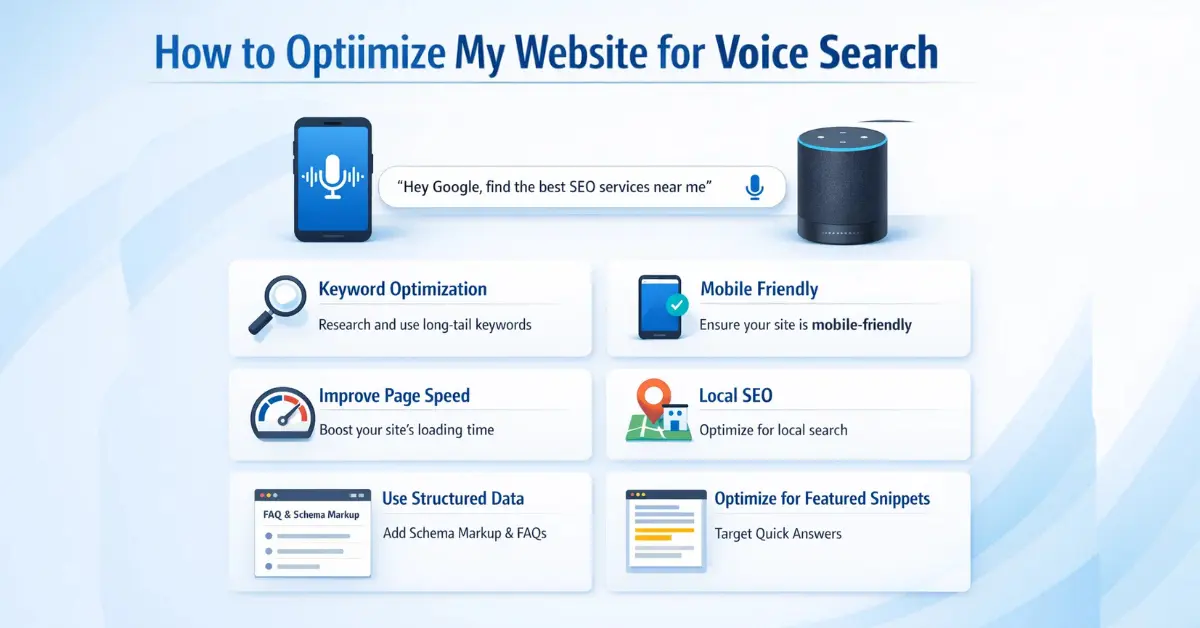
With the rise of smart devices and digital assistants, voice search has become a critical factor in SEO. Plugins now include semantic optimization features that help websites rank for conversational queries. As per Statista, over 50% of global internet users engage with voice search regularly, making it essential for plugins to adapt. By focusing on natural language processing and long tail queries, these tools ensure visibility in voice driven search environments.
Integration with LLM Tools for Keyword Clustering
Large language models (LLMs) have introduced new possibilities for keyword clustering and topic analysis. SEO plugins in 2026 integrate with LLM powered tools to group related queries, uncover semantic relationships, and build content strategies around clusters rather than isolated keywords. As per Gartner, businesses using LLM based keyword clustering report a 40% improvement in topical authority, demonstrating the effectiveness of this approach.
Automation of Technical SEO Tasks
Technical SEO has traditionally been complex, requiring manual intervention for tasks like fixing broken links, optimizing Core Web Vitals, and managing redirects. Plugins now automate these processes, reducing workload and ensuring consistent optimization. As per HubSpot, automation in technical SEO reduces site errors by 25% on average, allowing site owners to focus more on content and strategy.
By 2026, SEO plugins have evolved into intelligent, AI powered systems that address content, voice search, keyword clustering, and technical automation. This evolution empowers WordPress site owners to stay competitive in a dynamic digital environment, ensuring sustainable growth and stronger rankings through data driven optimization.
COMMON MISTAKES TO AVOID WHEN USING SEO PLUGINS
SEO plugins are powerful tools for WordPress websites, but relying on them without a clear strategy can limit results. Understanding common mistakes ensures that site owners use these tools effectively while maintaining expertise, authority, and trustworthiness in their optimization practices.
Relying Solely on Plugins Without Strategy
One of the biggest mistakes is assuming that plugins alone will guarantee rankings. Plugins provide technical support, but they cannot replace a well-defined SEO strategy that includes keyword research, content planning, and link building. As per HubSpot, companies with documented SEO strategies generate 30% more organic traffic compared to those relying only on tools. Plugins should be seen as enablers, not substitutes for strategic thinking.
Installing Too Many Plugins
Another common issue is installing multiple SEO plugins or stacking unnecessary tools. This can lead to conflicts, slower site performance, and even security vulnerabilities. As per WP Engine, websites with excessive plugins experience a 25% higher risk of downtime due to compatibility issues. Choosing one reliable plugin that meets your needs is far more effective than overloading your site with overlapping features.
Ignoring Manual Optimization and Content Quality
SEO plugins can automate tasks, but they cannot replace human creativity and content quality. Search engines prioritize relevance, authority, and user experience. As per Content Marketing Institute, high quality content generates three times more leads than paid advertising. Manual optimization such as crafting compelling headlines, writing engaging copy, and building authoritative backlinks remains essential.
Avoiding these mistakes ensures that SEO plugins deliver maximum value. By combining strategic planning, careful plugin selection, and a focus on content quality, WordPress site owners can achieve sustainable rankings and long-term growth in 2026. Plugins are powerful allies, but success ultimately depends on how they are integrated into a broader SEO strategy.
CONCLUSION: WHY SEO PLUGINS REMAIN VITAL IN 2026
SEO plugins continue to be indispensable for WordPress websites in 2026 because they simplify complex optimization tasks, automate technical fixes, and provide actionable insights that align with expertise, authority, and trustworthiness principles. As per Statista, over 90% of online experiences begin with a search engine, underscoring the importance of having tools that ensure visibility and competitiveness.
Not all plugins serve the same purpose, which is why selection should be based on specific goals and site type. Beginners and small businesses benefit from user friendly plugins like Yoast SEO, while eCommerce sites thrive with All-in-One SEO due to its WooCommerce compatibility. Agencies and professionals often prefer Rank Math for its advanced analytics, while bloggers lean toward lightweight options such as SEOPress.
FAQs
1. Why are SEO plugins still important for WordPress in 2026
SEO plugins remain essential because they simplify technical optimization, automate metadata and schema management, and help websites adapt to AI driven search algorithms without requiring coding expertise.
2. Do SEO plugins replace Google Search Console
No. SEO plugins complement Google Search Console by allowing users to act on performance insights directly inside WordPress, while Search Console provides first party data on impressions, clicks, and indexing.
3. Which SEO plugin is best for beginners in 2026
Yoast SEO and SEOPress are well suited for beginners due to their guided setup, intuitive dashboards, and clear recommendations for on page optimization.
4. What SEO plugin works best for WooCommerce websites
All in One SEO is ideal for WooCommerce sites because it supports product schema, automated metadata, and seamless eCommerce optimization.
5. Are AI powered SEO plugins worth using in 2026
Yes. AI powered plugins help with keyword intent analysis, content suggestions, schema automation, and competitor insights, improving efficiency and topical authority.
6. Can SEO plugins negatively affect site speed
Poorly coded or excessive plugins can slow down a website, which is why lightweight and well maintained SEO plugins are recommended to protect Core Web Vitals.
7. Is it safe to use multiple SEO plugins on one WordPress site
Using multiple SEO plugins is not recommended because it can cause feature conflicts, duplicate metadata, and performance issues. One well chosen plugin is sufficient.
8. What features should professionals look for in an SEO plugin
Advanced schema markup, AI keyword tracking, analytics integration, automation tools, and compatibility with WordPress updates are critical for professional use.
9. How have SEO plugins evolved by 2026
SEO plugins have evolved into AI driven systems that support voice search optimization, keyword clustering using large language models, and automated technical SEO tasks.
10. Can SEO plugins guarantee higher rankings in Google
No. SEO plugins support optimization, but rankings depend on strategy, content quality, authority, and user experience. Plugins are tools, not substitutes for SEO planning.