Content Optimization Guide
INTRODUCTION
Content optimization is the process of improving your website’s content so that it performs better in search engines and delivers more value to readers. It goes beyond simply adding keywords and it’s about making content visible, useful, and engaging. Optimized content helps search engines understand your page, while also ensuring that visitors enjoy the experience and find what they’re looking for.
Why Content Optimization Really Does This Matter?
For SEO, optimized content increases your chances of ranking higher in search results, which means more organic traffic. For user engagement, well-structured and relevant content keeps readers on your site longer, reducing bounce rates. And for conversions, clear and persuasive content encourages visitors to take action whether that’s signing up for a newsletter, making a purchase, or sharing your post.
Example: imagine you have a blog post titled “Easy Pasta Recipes.” Initially, it’s short, with no images, and buried on page three of Google. After updating it with better keywords like “quick pasta dinner,” adding high-quality images, and expanding the content to cover more recipe variations, the post climbs to page one. As a result, traffic doubles, readers spend more time on the page, and newsletter sign-ups increase. That’s the power of content optimization.
WHAT IS CONTENT OPTIMIZATION?
From an SEO perspective, optimization helps search engines understand what your page is about. This involves using the right keywords, structuring content with headings, and adding meta descriptions or alt text for images. When search engines can easily interpret your content, they’re more likely to rank it higher.
From a user experience perspective, optimized content is clear, well-organized, and enjoyable to read. It uses visuals, bullet points, and simple language to make information accessible. Readers are more likely to engage with content that feels tailored to their needs.
For example, imagine a recipe blog post titled “Easy Vegan Cakes.” Without optimization, it might be a short text-only post. But by adding the keyword naturally in the title and headings, including step-by-step instructions, high-quality images of cakes, and links to related recipes, the post becomes more valuable. As a result, it ranks higher in search results, attracts more visitors, and keeps them engaged longer.
WHY CONTENT OPTIMIZATION IS IMPORTANT
Content optimization is essential because it directly impacts how well your website performs in search engines and how users interact with your content. When done correctly, it improves search rankings, increases organic traffic, and boosts conversions and user trust.
- Improves Search Rankings: Search engines like Google prioritize content that is relevant, well-structured, and user-friendly. Optimized content signals to search engines that your page deserves a higher position. The higher you rank, the more visible your content becomes to potential readers.
- Increases Organic Traffic: Ranking higher naturally leads to more clicks. Organic traffic is valuable because it comes from users actively searching for information, products, or services. For example, a blog post optimized for “easy vegan cakes” will attract visitors who are specifically interested in that topic. According to SEMrush, long-form content (1,500+ words) gets 3x more traffic than short posts, showing that detailed, comprehensive articles perform better.
- Boosts Conversions and User Trust: Optimization isn’t just about search engines and it’s also about people. Content that is clear, engaging, and visually appealing builds trust with readers. When users find your content helpful, they are more likely to take action, whether that’s subscribing to a newsletter, making a purchase, or sharing your post. Over time, this trust translates into stronger brand authority and higher conversion rates.
Example
Imagine a blog post about “birthday cake ideas.” Initially, it’s short, outdated, and buried on page three of Google. After optimizing it with fresh keywords, expanding it to 2,000 words, and adding updated images, the post climbs to page one. Traffic triples, readers stay longer, and more people sign up for your baking newsletter. That’s the real impact of content optimization.
KEY ELEMENTS OF CONTENT OPTIMIZATION
Content optimization is not about stuffing keywords into a page and it’s about creating content that is discoverable, valuable, and enjoyable for both search engines and users. To achieve this, there are several key elements you should focus on. Let’s break them down one by one.
- Keywords & Search Intent
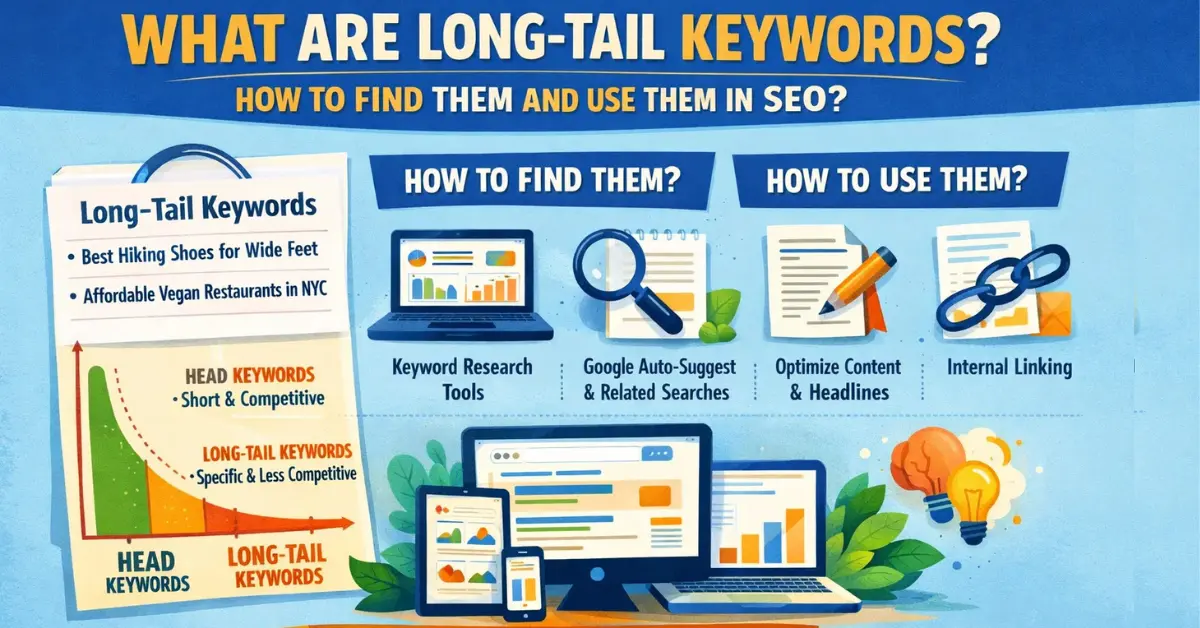
Keywords are the foundation of SEO, but the real secret lies in understanding search intent as it is the reason behind a user’s query. For example, someone searching “how to bake a chocolate cake” wants instructions, while “buy chocolate cake near me” shows purchase intent. Optimizing content means matching your writing to the intent behind the keyword.
Use tools like Google Keyword Planner, SEMrush, or Ahrefs to find relevant keywords. Then, naturally integrate them into titles, headings, and body text. Avoid keyword stuffing; instead, focus on answering the user’s question thoroughly. When your content aligns with intent, search engines reward it with higher rankings.
- Content Quality & Relevance
Search engines prioritize content that is clear, helpful, and structured. Quality content provides depth, answers questions, and offers unique insights. Relevance means staying on-topic and ensuring your content matches the keyword you’re targeting.
For example, if you’re writing about “easy vegan cakes,” don’t just list recipes as it explains techniques, provide ingredient substitutes, and share baking tips. SEMrush found that long-form content (1,500+ words) gets 3x more traffic than short posts, proving that detailed articles perform better. Structure your content with headings, bullet points, and short paragraphs to make it easy to read.
- User Experience (UX)
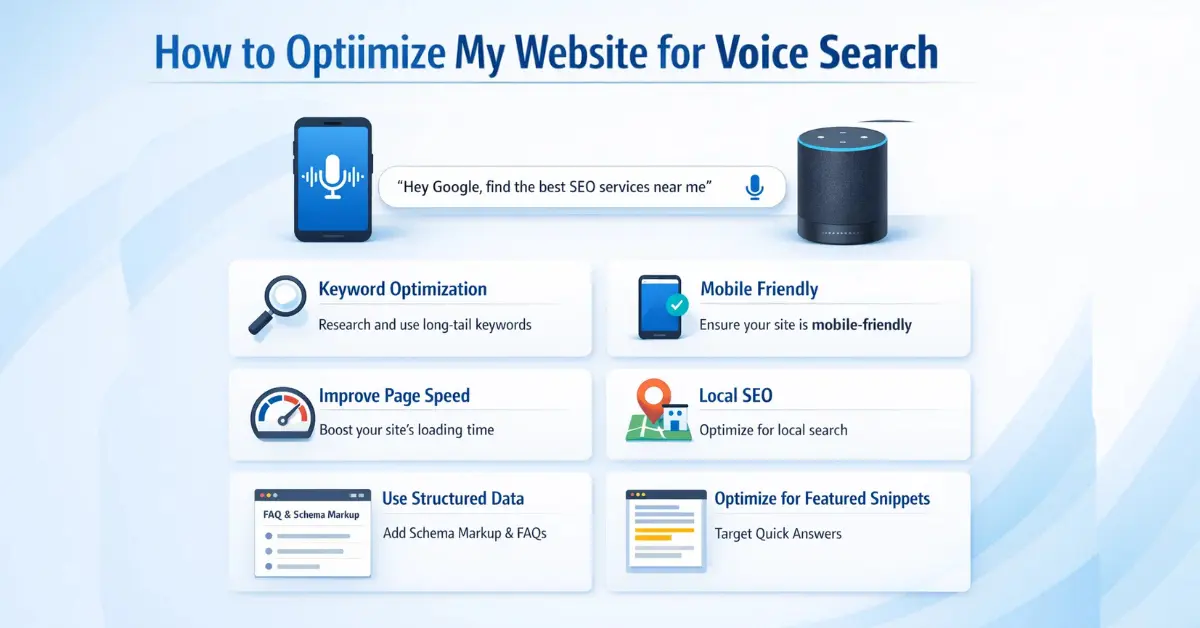
Even the best content fails if users find it hard to read or navigate. User experience includes readability, design, and mobile-friendliness. Use simple language, break text into sections, and ensure your site design is clean. Mobile optimization is critical: Google research shows that 53% of mobile users leave a site if it takes longer than 3 seconds to load. Responsive design, fast-loading pages, and easy-to-click buttons all improve UX. A bakery blog with a mobile-friendly recipe layout will keep readers engaged longer than one with cluttered text and slow images.
- Visuals & Media
Visuals make content more engaging and memorable. Adding images, videos, and infographics helps explain complex ideas and keeps users interested. For example, a recipe blog post with step-by-step cake photos or a short video tutorial will outperform a text-only post. Infographics are especially powerful for summarizing data or processes. They increase shareability and can earn backlinks when other sites reference them. Optimized visuals should include descriptive alt text so search engines can understand them.
- Internal Linking
Internal links guide users to related pages on your site, improving navigation and helping search engines crawl your content. For example, in a blog post about “vegan cakes,” you could link to another post on “gluten-free baking tips.” This not only keeps users on your site longer but also distributes authority across your pages. A strong internal linking strategy signals to Google that your site is well-structured and trustworthy.
- Meta Data
Meta data includes titles, descriptions, and alt text. These elements tell search engines what your page is about and influence click-through rates.
- Title tags should include your main keyword and be under 60 characters.
- Meta descriptions should summarize the content in under 160 characters, encouraging clicks.
- Alt text describes images for search engines and improves accessibility.
For example, a meta title like “Easy Vegan Cake Recipes | Healthy Baking Guide” is keyword-rich and click worthy. A meta description like “Discover 10 easy vegan cake recipes with step-by-step instructions and images” attracts users by promising value.
Content optimization is a blend of strategy and creativity. By targeting the right keywords, writing clear and relevant content, improving user experience, adding visuals, guiding readers with internal links, and optimizing meta data, you create content that ranks higher, engages readers, and drives conversions. Think of it as baking a cake: keywords are the ingredients, structure is the recipe, visuals are the decoration, and meta data is the packaging. When all elements come together, you serve content that delights both search engines and users.
TOOLS FOR CONTENT OPTIMIZATION
Content optimization becomes much easier when you use the right tools. These tools help you analyze keywords, improve readability, track performance, and ensure your content meets both SEO and user expectations. Let’s break them down into categories.
Free Tools
- Google Search Console: This tool shows how your site performs in Google search results. You can see which queries bring traffic, which pages rank, and where improvements are needed. For example, if your blog post on “easy vegan cakes” is getting impressions but few clicks, you may need to improve the meta description.
- Google Analytics: Analytics tracks user behavior on your site. It shows how long visitors stay, which pages they view, and where they drop off. If you notice readers leaving quickly, it may mean your content isn’t engaging enough or loads too slowly.
- PageSpeed Insights: This tool measures site speed and suggests improvements. Since Google research shows 53% of mobile users leave a site if it takes longer than 3 seconds to load, optimizing speed is critical.
Paid SEO Tools
- SEMrush offers keyword research, competitor analysis, and content audits. Its “Keyword Gap” tool shows which keywords competitors rank for but you don’t. For example, if a competitor ranks for “gluten-free cakes” and you don’t, SEMrush highlights this opportunity.
- Ahrefs is powerful for backlink and keyword analysis. It shows where competitors get backlinks and which content drives the most traffic. If you see that food magazines link to a competitor’s recipe, you can reach out to those magazines with your own content.
- Moz provides domain authority scores and keyword difficulty metrics. It helps you judge whether a keyword is worth targeting. For instance, “cakes” may be too competitive, but “easy vegan birthday cake recipe” might be achievable.
Content-Specific Tools
- Grammarly ensures your writing is clear and error-free. Optimized content isn’t just about SEO as it must also be easy to read. Grammarly helps polish grammar, tone, and readability.
- SurferSEO analyzes top-ranking pages for a keyword and suggests how to structure your content. It shows ideal word count, keyword density, and headings. For example, if competitors’ posts on “vegan cakes” average 2,000 words, SurferSEO will recommend expanding your content.
- Clearscope uses semantic analysis to suggest related terms and topics. This ensures your content covers a subject comprehensively. For example, when writing about “birthday cake ideas,” Clearscope might suggest including terms like “frosting,” “decorations,” and “party themes.”
Example:
Imagine you’re optimizing a blog post on “easy vegan cakes.”
- Google Search Console shows the post gets impressions but low clicks.
- SEMrush reveals competitors rank for “gluten-free cakes” too.
- SurferSEO suggests expanding the post to 1,800 words with more headings.
- Grammarly polishes the writing.
- PageSpeed Insights highlights slow images that need compression.
By combining these tools, you transform a weak post into a strong, optimized piece that ranks higher and engages readers.
Tools for content optimization are like a baker’s toolkit as each one serves a purpose. Free tools help you monitor performance, paid SEO tools uncover opportunities, and content-specific tools improve quality. By using them together, you can create content that is not only search engine-friendly but also enjoyable for readers. Over time, this leads to better rankings, more traffic, and stronger conversions.
STEP-BY-STEP CONTENT OPTIMIZATION PROCESS
Optimizing content can feel overwhelming, but breaking it down into clear steps makes the process manageable. Here’s a practical workflow you can follow to ensure your content is both search engine-friendly and engaging for readers.
Step 1: Audit Existing Content
Start by reviewing what you already have. Use tools like Google Analytics or SEMrush Site Audit to identify underperforming pages. Look for posts with low traffic, high bounce rates, or outdated information. Example: A blog post on “Top Cake Trends in 2022” may no longer attract readers. Updating it to “Top Cake Trends in 2026” can revive its relevance.
Step 2: Research Keywords
Use keyword tools (Ahrefs, SEMrush, Google Keyword Planner) to find terms your audience searches for. Focus on intent-driven keywords rather than just high-volume ones. Example: Instead of targeting “cakes” (too broad), aim for “easy vegan birthday cake recipe.” This matches user intent and is easier to rank for.
Step 3: Update and Expand Content
Add depth to your articles. Long-form content performs better. Expand sections, add examples, and include FAQs. Example: A 500-word post on “birthday cake ideas” could be expanded to 2,000 words with detailed tips, images, and decoration guides.
Step 4: Improve Technical Aspects
Ensure your site loads quickly, is mobile-friendly, and easy to navigate. Use Google PageSpeed Insights to check speed. Remember, 53% of mobile users leave if a site takes longer than 3 seconds to load. Example: Compress large images, enable caching, and use responsive design to improve performance.
Step 5: Add Internal and External Links
Internal links guide readers to related content, while external links to authoritative sources build credibility. Example: In a post about “vegan cakes,” link internally to your “gluten-free baking tips” article and externally to a trusted nutrition site. This improves SEO and user trust.
Step 6: Optimize Meta Data
Meta titles, descriptions, and alt text are critical for search visibility.
- Title tags: Include your main keyword, under 60 characters.
- Meta descriptions: Summarize content in under 160 characters.
- Alt text: Describe images for accessibility and SEO. Example: Title: “Easy Vegan Cake Recipes | Healthy Baking Guide” Description: “Discover 10 easy vegan cake recipes with step-by-step instructions and images.”
Step 7: Track Performance
Optimization doesn’t end after publishing. Use Google Search Console and Analytics to track rankings, traffic, and conversions. Adjust strategies based on what works. Example: If your updated “birthday cake ideas” post starts ranking for “unique cake designs,” create more content around that keyword.
Final Thoughts
This step-by-step process ensures your content is always improving. By auditing, researching, expanding, fixing technical issues, linking strategically, optimizing meta data, and tracking results, you create content that ranks higher, engages readers, and drives conversions. Think of it as a cycle: analyze → optimize → measure → repeat. Over time, this consistent effort builds authority, visibility, and trust in your niche.
COMMON MISTAKES IN CONTENT OPTIMIZATION
Even with the best intentions, many beginners — and even experienced marketers — make mistakes when optimizing content. These errors can hurt rankings, reduce traffic, and frustrate users. By recognizing them early, you can avoid pitfalls and build a stronger SEO strategy.
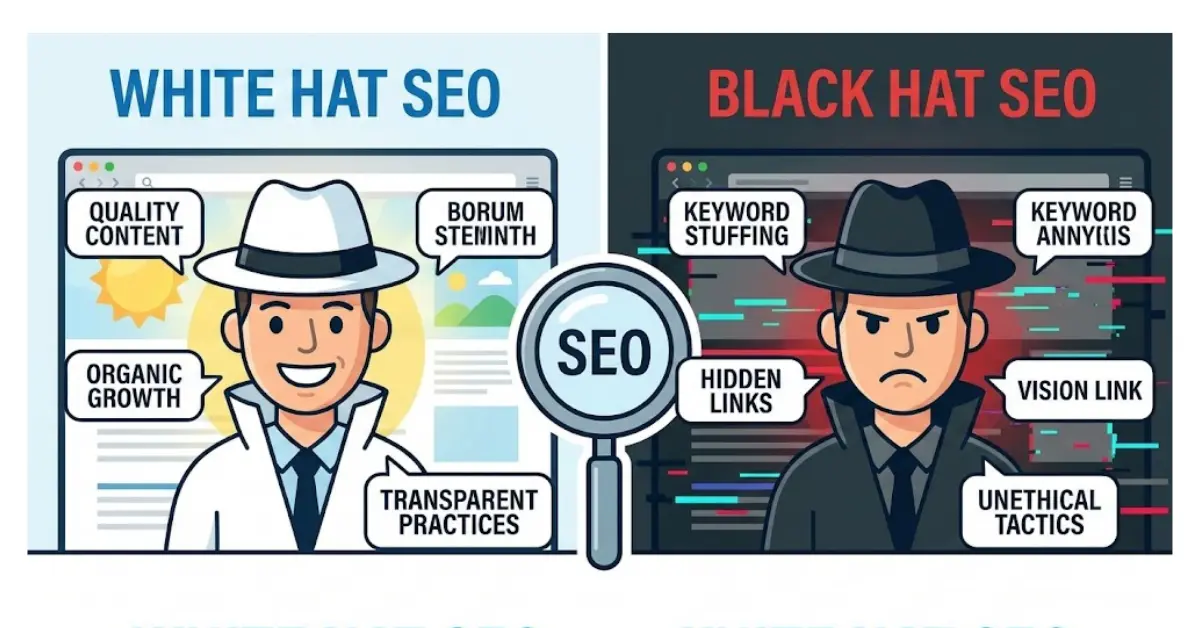
- Keyword Stuffing: One of the most common mistakes is overusing keywords. In the past, repeating a keyword many times could boost rankings, but today search engines penalize this practice. Keyword stuffing makes content unnatural and hard to read. Example: A blog post that repeats “easy vegan cakes” in every sentence feels spammy. Instead, use the keyword naturally and include related terms like “plant-based desserts” or “egg-free recipes.”
- Ignoring Search Intent: Targeting keywords without considering user intent leads to mismatched content. If someone searches “buy chocolate cake near me,” they want a bakery, not a recipe. Writing the wrong type of content frustrates users and increases bounce rates. Tip: Always ask, “What is the user really looking for?” before creating content.
- Neglecting Mobile Users: With most searches happening on mobile, ignoring mobile optimization is a major mistake. A site that looks great on desktop but clunky on mobile will lose visitors quickly.
- Overlooking Meta Data: Meta titles, descriptions, and alt text are small details that make a big difference. Many websites skip them or use generic text. Without optimized meta data, search engines struggle to understand your content, and users are less likely to click. Example: A post titled “Blog Post #1” with no description won’t attract clicks. Instead, use a keyword-rich title like “Easy Vegan Cake Recipes | Healthy Baking Guide” and a compelling description.
- Not Updating Old Content: Content that’s outdated loses relevance and rankings. Many creators publish once and forget, but search engines prefer fresh, updated material. For instance, HubSpot found that updating old blog posts can increase traffic by up to 106%.
- Poor Content Structure: Walls of text without headings, bullet points, or visuals overwhelm readers. Search engines also struggle to interpret unstructured content. Example: A 2,000-word recipe post with no headings or images will lose readers quickly. Breaking it into sections like “Ingredients,” “Steps,” and “Tips” makes it more digestible.
- Ignoring Analytics: Publishing content without tracking performance is like baking without tasting. Many skip analytics, missing opportunities to improve. Tools like Google Analytics and Search Console reveal which posts perform well and which need work. Example: If your “birthday cake ideas” post has high impressions but low clicks, you may need a stronger meta description.
Content optimization mistakes often stem from focusing too much on search engines and forgetting about users. Avoid keyword stuffing, match search intent, optimize for mobile, use meta data, update old content, structure posts clearly, and track performance. By steering clear of these pitfalls, you’ll create content that ranks higher, engages readers, and builds trust over time.
BEST PRACTICES FOR CONTENT OPTIMIZATION
Content optimization works best when you balance the needs of your audience with the requirements of search engines. Following proven best practices ensures your content is both discoverable and engaging.
- Write for Humans First, Search Engines Second: The golden rule of optimization is to prioritize readers. Search engines reward content that genuinely helps users. Instead of stuffing keywords, focus on clarity, storytelling, and solving problems. For example, a recipe blog should explain steps in simple language, not just repeat “easy vegan cakes” multiple times.
- Keep Content Fresh and Updated: Search engines prefer content that stays relevant. Updating old posts with new statistics, examples, or visuals signals freshness. HubSpot found that updating old blog posts can increase traffic by up to 106%. For instance, a post titled “Top Cake Trends in 2022” may lose relevance, but refreshing it as “Top Cake Trends in 2026” with new images and insights can regain rankings and attract new readers.
- Use Visuals to Improve Engagement: Images, videos, and infographics make content more appealing and easier to understand. A step-by-step recipe with photos or a short video tutorial keeps users engaged longer. Visuals also increase shareability, which can drive more traffic from social media.
- Build Quality Backlinks: Backlinks act as votes of confidence from other sites. Focus on earning links from reputable sources rather than chasing quantity. For example, if a local food magazine links to your bakery blog, it boosts credibility and rankings. Backlinko reports that pages with more quality backlinks rank higher 91% of the time.
By writing for humans, keeping content fresh, using visuals, and building strong backlinks, you create content that not only ranks well but also builds trust and engagement. These best practices form the foundation of long-term SEO success.
MEASURING SUCCESS
Content optimization doesn’t end once you hit “publish.” To know whether your efforts are paying off, you need to measure success using clear metrics and reliable tools. Tracking performance helps you understand what’s working, what needs improvement, and how to refine your strategy over time.
Key Metrics to Track
- Organic Traffic This shows how many visitors come to your site through search engines. If optimized content is effective, you should see steady growth in organic traffic. Tools like Google Analytics provide detailed insights into traffic sources.
- Keyword Rankings Check whether your target keywords are moving up in search results. Tools like Ahrefs or SEMrush let you monitor rankings over time. For example, if your post on “easy vegan cakes” climbs from page three to page one, that’s a clear sign of success.
- Engagement Metrics Look at bounce rate, average time on page, and pages per session. High engagement means users find your content valuable. If readers spend more time on your “birthday cake ideas” post after you add images and expand content, optimization is working.
- Conversions Ultimately, success is measured by actions taken — newsletter sign-ups, product purchases, or downloads. Optimized content should guide users toward these goals. For instance, adding a clear call-to-action at the end of a recipe post can increase sign-ups.
- Backlinks Quality backlinks are a strong indicator of authority. If other sites start linking to your optimized content, it shows your work is valuable and trustworthy.
Tools to Measure Success
- Google Search Console: Tracks impressions, clicks, and keyword performance.
- Google Analytics: Provides traffic and engagement data.
- SEMrush / Ahrefs: Monitor keyword rankings and backlinks.
- Hotjar: Visualizes user behavior with heatmaps and session recordings.
Example
Imagine you update a 2022 blog post on “Top Cake Trends” to reflect 2026. After optimization, organic traffic doubles, keyword rankings improve, and bounce rate drops. You also gain backlinks from food magazines referencing your updated post. These metrics confirm that your optimization efforts are successful.
Measuring success ensures you’re not just creating content blindly. By tracking traffic, rankings, engagement, conversions, and backlinks, you can see the real impact of optimization. More importantly, these insights guide your next steps, helping you refine strategies and achieve long-term growth.
CONCLUSION
Throughout this guide, we’ve explored the essential steps: understanding what content optimization means, why it matters, the key elements to focus on, the tools that make the process easier, and the common mistakes to avoid. We also looked at best practices like writing for humans first, keeping content fresh, using visuals, and building quality backlinks. Finally, we emphasized the importance of measuring success through metrics such as traffic, rankings, engagement, and conversions.
The big takeaway is that optimization is not a one-time task. It’s an ongoing process of analyze → improve → measure → repeat. Search engines evolve, user expectations change, and competitors adapt. To stay ahead, you must continuously refine your content strategy. For example, updating a blog post from 2022 with new insights, visuals, and keywords relevant in 2026 can breathe new life into it, helping it regains rankings and attract fresh traffic. This simple act of refreshing content demonstrates how optimization directly impacts visibility and growth.
Ultimately, content optimization is about creating content that resonates with people while satisfying search engine requirements. When you consistently apply these principles, you build trust, authority, and long-term success. So, whether you’re running a small blog or managing a business website, start applying these strategies today. With patience and persistence, you’ll see your content climb search rankings, engage more readers, and drive meaningful results.
FAQ’s
1. What is content optimization?
Content optimization is the process of improving content so it ranks higher on search engines and provides better answers to users by aligning with search intent, keywords, and structured data.
2. Why is content optimization important for SEO?
Content optimization helps search engines understand your content better, increases organic visibility, improves click-through rates, and boosts user engagement.
3. How does content optimization help AI search?
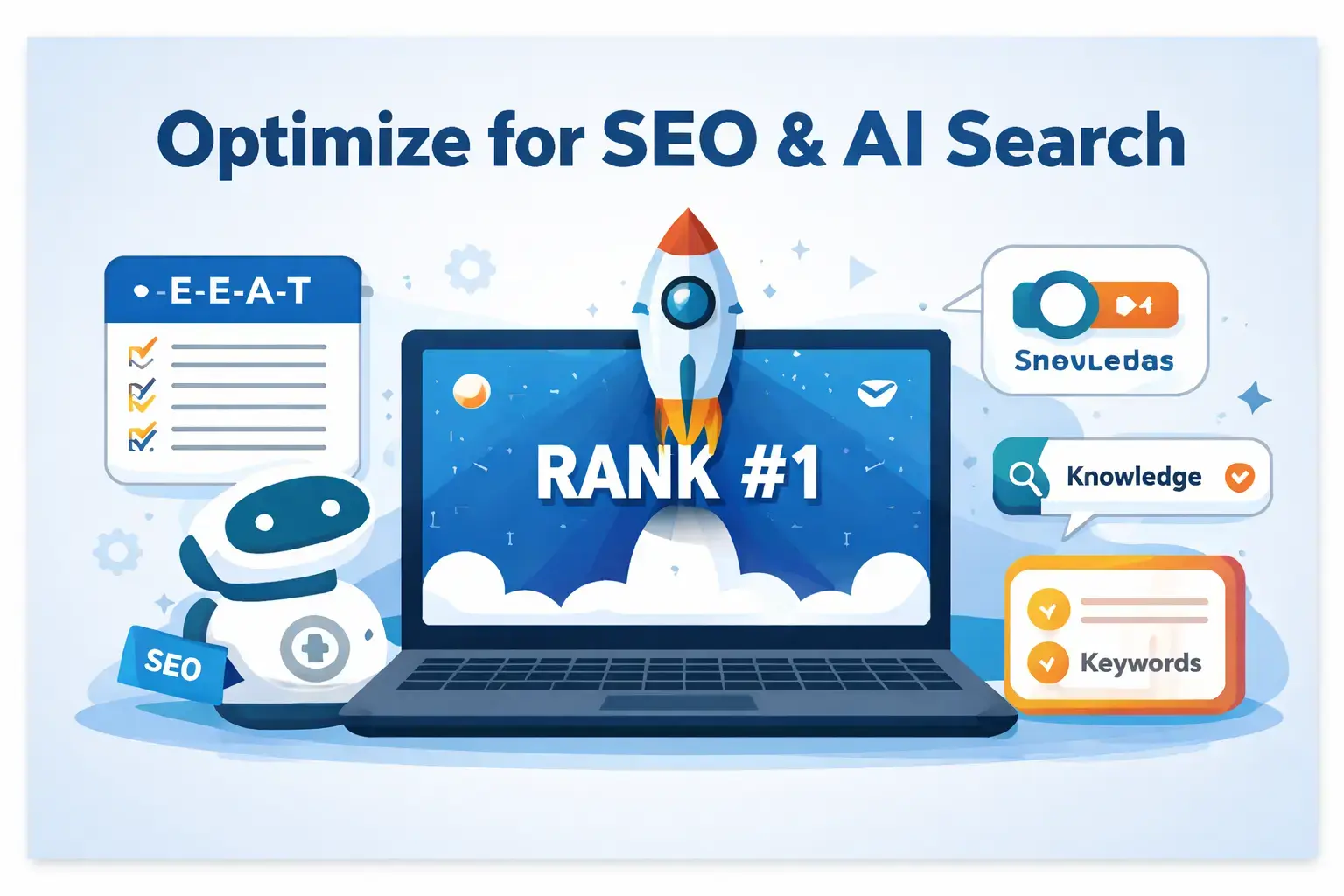
Optimized content makes it easier for AI models and search engines to extract entities, facts, and context, increasing chances of being cited in AI-generated answers.
4. What are the key elements of content optimization?
Key elements include keyword research, search intent mapping, content structure, internal linking, schema markup, E-E-A-T signals, and content freshness.
5. What is E-E-A-T in content optimization?
E-E-A-T stands for Experience, Expertise, Authoritativeness, and Trustworthiness—signals used by Google to evaluate content quality and credibility.
6. How often should content be optimized?
Content should be reviewed and optimized every 3–6 months, or whenever rankings drop, search intent changes, or new data becomes available.
7. What is search intent in content optimization?
Search intent is the purpose behind a user’s query, such as informational, commercial, navigational, or transactional.
8. Does content length matter for SEO?
Yes, but quality matters more. Content should be long enough to fully answer the topic, typically 1,000–2,500 words for competitive keywords.
9. What tools are used for content optimization?
Popular tools include Google Search Console, Ahrefs, SEMrush, Surfer SEO, Clearscope, and ChatGPT for content analysis.
10.What is entity-based content optimization?
Entity-based optimization focuses on covering related concepts, brands, people, and topics instead of only repeating keywords.