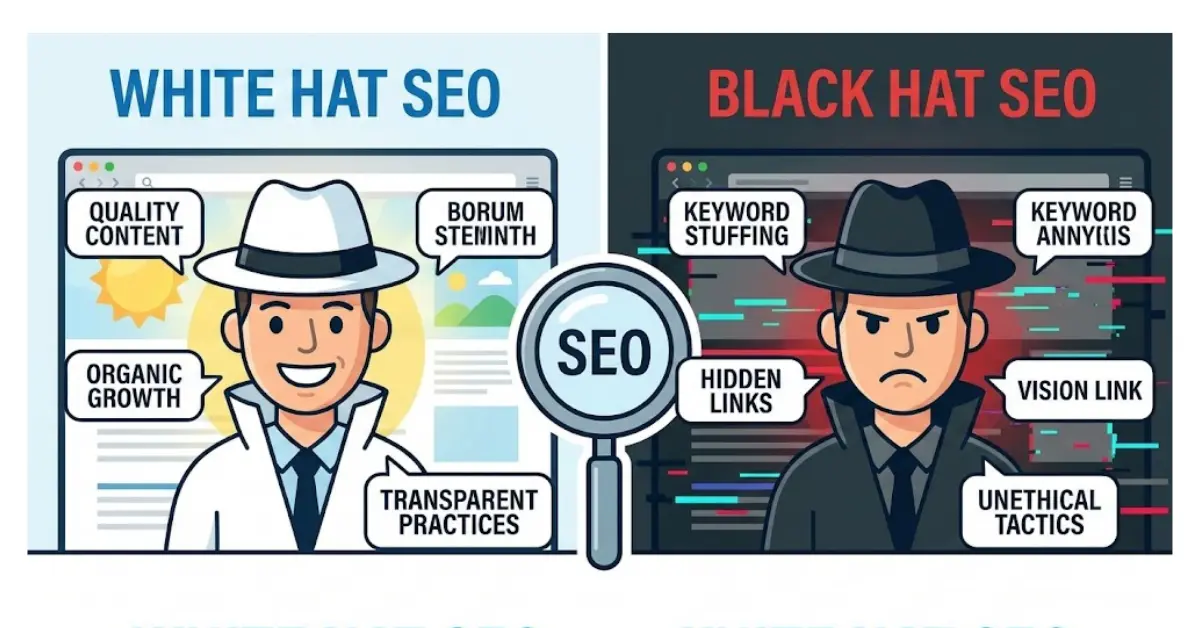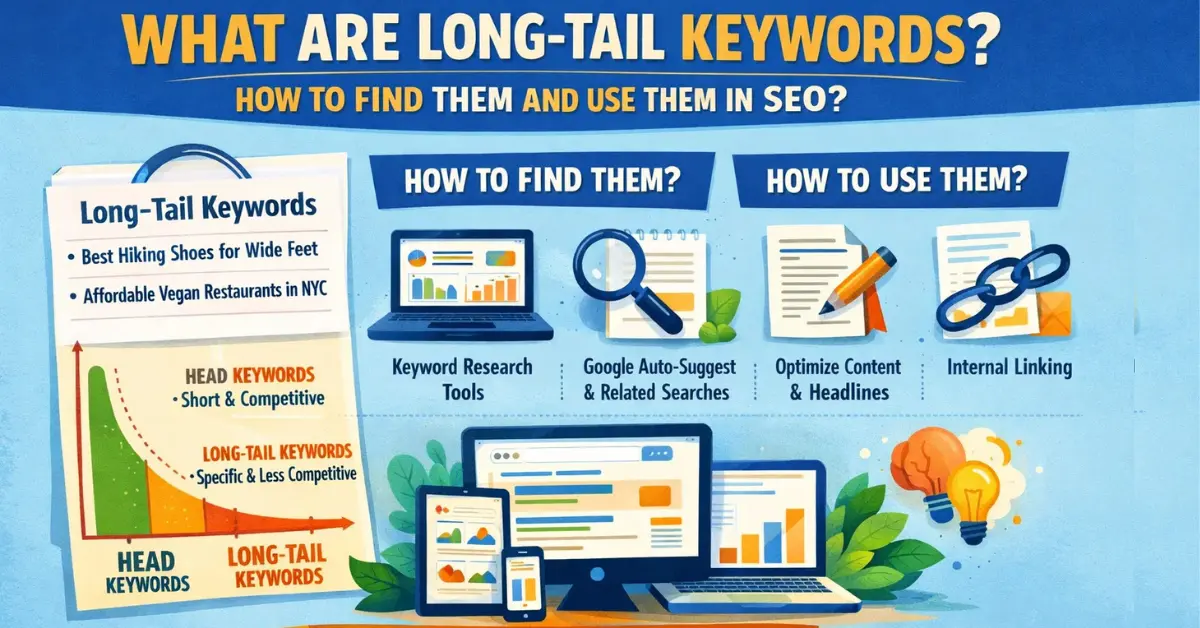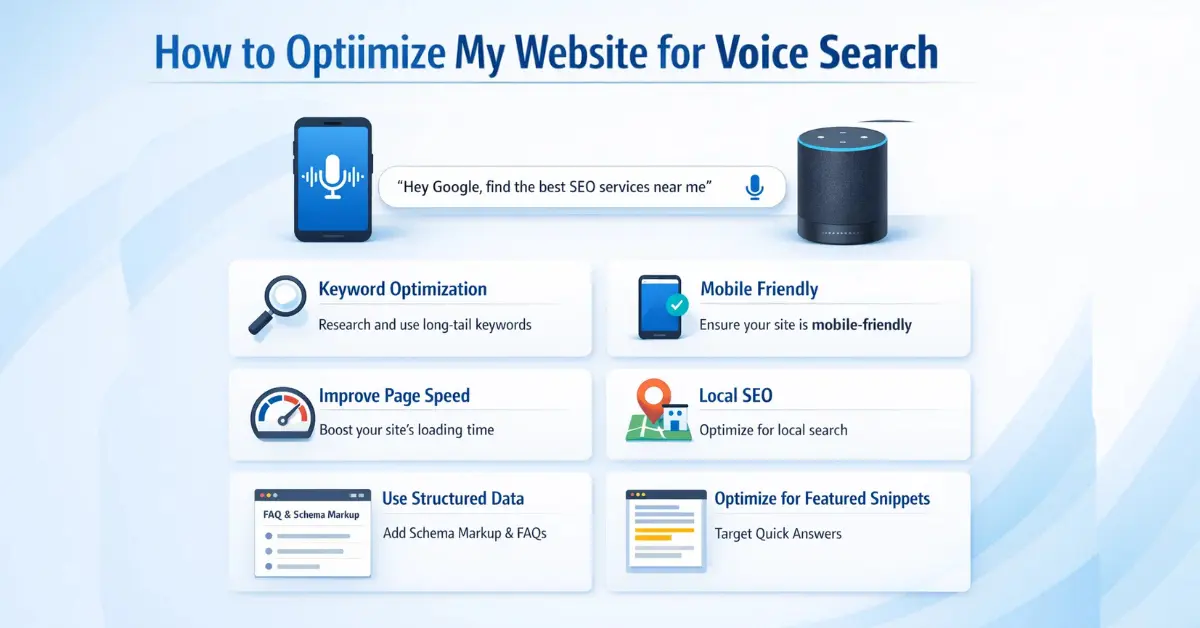
Google’s search algorithm has undergone a remarkable evolution over the past two decades. In the early days, ranking was heavily influenced by keyword density and the sheer number of backlinks a site could acquire. This led to manipulative practices such as keyword stuffing and link farms, which often pushed low-quality content to the top of search results. Over time, Google introduced major updates from Panda and Penguin to RankBrain and BERT each designed to refine how search results are evaluated. These updates shifted the focus from mechanical signals to a more holistic understanding of content relevance, user intent, and overall trustworthiness.
In 2026, Google’s algorithm has become even more sophisticated, leveraging artificial intelligence, machine learning, and the Search Generative Experience (SGE) to deliver results that prioritize Expertise, Experience, Authoritativeness, and Trustworthiness (EEAT). This means that content is judged not only on technical optimization but also on its ability to provide genuine value, accuracy, and credibility.
Understanding ranking factors in 2026 is critical for anyone who wants to succeed online. With billions of searches conducted daily, appearing on the first page of Google can make the difference between obscurity and visibility. Businesses, bloggers, and creators must recognize that SEO is no longer about gaming the system and it’s about aligning with Google’s mission to organize the world’s information and make it universally accessible and useful.
SEO is no longer about keyword stuffing or backlink schemes, it’s about trust, quality, and user experience. Those who embrace this reality will not only achieve higher rankings but also build lasting relationships with their audiences. In this new era, the winners are those who consistently deliver content that informs, engages, and earns trust.
THE EVOLUTION OF GOOGLE RANKING FACTORS
Google’s ranking factors have undergone a dramatic transformation since the early days of search. In the past, websites could climb to the top of results simply by repeating keywords excessively or acquiring large volumes of backlinks, regardless of quality. This keyword-heavy approach often rewarded spammy, low-value content. Over time, however, Google refined its algorithm to prioritize relevance, user satisfaction, and trustworthiness, moving away from mechanical signals toward a more intelligent evaluation system.
From Keywords to AI-Driven Evaluation
The introduction of updates like Panda, Penguin, and later RankBrain marked a turning point. Instead of rewarding keyword stuffing, Google began analyzing the context and meaning behind queries. RankBrain, powered by machine learning, allowed Google to interpret search intent more effectively, ensuring that results matched what users were truly looking for. By 2026, this AI-driven evaluation has become even more advanced, incorporating natural language processing and semantic search to deliver results that prioritize depth, clarity, and usefulness over keyword repetition.
Role of Search Generative Experience (SGE) and Machine Learning
The Search Generative Experience (SGE) represents the latest evolution in Google’s ranking ecosystem. SGE uses generative AI to synthesize information from multiple sources, providing users with concise, context-rich answers directly in search results. This means that content must now be structured in ways that AI can easily interpret and repurpose. Clear headings, schema markup, and well-organized information are essential. Machine learning also continuously refines how Google evaluates engagement signals, such as click-through rates, dwell time, and bounce rates, ensuring that rankings reflect not just relevance but also user satisfaction. For content creators, this shift means that optimization strategies must go beyond keywords. Content must be comprehensive, authoritative, and user-focused, designed to serve both human readers and AI-driven search systems.
Emphasis on EEAT (Expertise, Experience, Authoritativeness, Trustworthiness)
Perhaps the most significant evolution is Google’s emphasis on EEAT. In 2026, EEAT is no longer a guideline but a core ranking factor. Google evaluates whether content demonstrates genuine expertise, is backed by real-world experience, and comes from authoritative sources. Trustworthiness is critical, especially in YMYL (Your Money, Your Life) niches like health, finance, and legal topics, where inaccurate information can have serious consequences.
- Expertise: Content must be written or reviewed by subject matter experts.
- Experience: First-hand knowledge and practical insights add credibility.
- Authoritativeness: Recognition from other reputable sites through backlinks, mentions, and citations.
- Trustworthiness: Transparency, accuracy, and secure site practices (HTTPS, clear sourcing).
For example, a medical article written by a certified doctor and cited by reputable health organizations will outrank a generic blog post with no credentials. Similarly, lifestyle content that demonstrates personal experience will perform better than generic summaries.
The evolution of Google’s ranking factors reflects a broader mission: to deliver the most helpful, trustworthy, and relevant information to users. In 2026, success in SEO requires embracing AI-driven evaluation, optimizing for SGE, and consistently demonstrating EEAT. Keyword tactics alone are no longer enough; authority, trust, and user experience define who earns a coveted spot on the first page.
CONTENT QUALITY AND DEPTH
In 2026, content quality remains the single most important Google ranking factor. Despite advances in artificial intelligence, machine learning, and the Search Generative Experience (SGE), Google’s core mission hasn’t changed: to provide users with the most relevant, accurate, and helpful information. This means that websites producing high-quality, in-depth content continue to dominate search results, while thin or poorly researched articles struggle to gain visibility.
What “Quality” Means in 2026
The definition of quality has evolved significantly. It’s no longer enough to write a few paragraphs sprinkled with keywords. Google now evaluates content through the lens of EEAT (Expertise, Experience, Authoritativeness, Trustworthiness). Quality content must demonstrate:
- Depth: Covering a topic comprehensively, answering not just the main query but related questions users may have.
- Originality: Offering unique insights, perspectives, or data rather than rehashing existing information.
- Accuracy: Backing claims with credible sources, statistics, and expert references.
- Helpfulness: Providing actionable value, whether through step-by-step guides, FAQs, or practical examples.
For instance, a health article in 2026 must cite medical studies, include expert commentary, and present information in a way that is accessible to readers. Lifestyle content, while less regulated, still benefits from personal experience and practical tips that demonstrate authenticity.
Importance of Multimedia
Quality in 2026 also extends beyond text. Google increasingly values multimedia integration because it enhances user engagement and accessibility. Articles enriched with images, videos, infographics, and interactive elements keep readers on the page longer, signaling relevance and usefulness.
- Images: Break up text, illustrate concepts, and improve readability.
- Videos: Provide demonstrations, tutorials, or expert interviews that add depth.
- Interactive Elements: Quizzes, calculators, or clickable infographics encourage active participation.
For example, a recipe blog post with step-by-step photos and a short video tutorial will outperform a plain text recipe because it delivers a richer, more engaging user experience.
Example: Depth vs. Thin Content
Consider two articles on the topic “Top Cake Trends in 2026.”
- Article A: A 500-word post listing trends with minimal explanation, no references, and no visuals.
- Article B: A 2,000-word guide that explores each trend in detail, cites expert bakers, includes high-quality images of cakes, and embeds a short video interview with a pastry chef.
Article B will rank higher because it demonstrates expertise, provides original insights, and engages users with multimedia. Article A, despite being quicker to produce, lacks depth and fails to meet Google’s standards for quality.
In 2026, content quality and depth remain the cornerstone of SEO success. Google rewards websites that consistently deliver comprehensive, accurate, and engaging content. By integrating EEAT principles and multimedia elements, creators can build trust, authority, and long-term visibility. Thin, keyword-heavy articles are relics of the past as the future belongs to content that informs, inspires, and genuinely helps users.
USER EXPERIENCE & ENGAGEMENT SIGNALS
In 2026, user experience (UX) and engagement signals have become central to Google’s ranking algorithm. While content quality remains the foundation of SEO, Google increasingly evaluates how users interact with that content. The logic is simple: if users find a page helpful, engaging, and easy to navigate, it deserves higher visibility. This shift reflects Google’s mission to prioritize trust, relevance, and usability as all core aspects of EEAT (Expertise, Experience, Authoritativeness, Trustworthiness).
Why UX Matters More Than Ever
Search engines now measure not just what content says, but how users respond to it. A page that loads quickly, adapts seamlessly to mobile devices, and keeps readers engaged signals value. Conversely, slow, cluttered, or confusing websites drive users away, which negatively impacts rankings.
Key Engagement Metrics
- Click-Through Rate (CTR): CTR measures how often users click on your page after seeing it in search results. A compelling meta title and description that match search intent can dramatically improve CTR. Google interprets higher CTR as a sign that your content is relevant and trustworthy.
- Dwell Time: Dwell time refers to how long users stay on your page before returning to search results. Longer dwell times suggest that your content satisfies their query. Adding multimedia, clear formatting, and actionable insights helps keep readers engaged.
- Bounce Rate: A high bounce rate indicates that users leave quickly, often because the page didn’t meet their expectations. Improving readability, aligning content with search intent, and offering interactive elements can reduce bounce rates.
Mobile-First Design
With the majority of searches happening on mobile, Google’s mobile-first indexing ensures that mobile usability directly impacts rankings. Responsive design, fast-loading images, and intuitive navigation are essential. A site that looks polished on desktop but clunky on mobile will struggle to rank.
Site Speed & Core Web Vitals
Google’s Core Web Vitals remain critical. Pages that load in under three seconds retain users better and send positive signals to Google. Optimizing images, leveraging caching, and using lightweight code are practical steps to improve speed.
Accessibility & Usability
Accessibility is now a ranking consideration. Sites that provide alt text for images, clear headings, and easy navigation not only serve diverse audiences but also align with Google’s emphasis on inclusivity and trustworthiness.
Example: Engaging vs. Poor UX
- Site A: A recipe blog with responsive design, step-by-step photos, a short video tutorial, and a clear ingredient list. Users stay longer, share the content, and return for more.
- Site B: A text-heavy recipe with no visuals, slow load times, and confusing navigation. Users leave within seconds.
Site A will rank higher because it demonstrates helpfulness, authority, and strong engagement signals.
In 2026, user experience and engagement are not optional as they are decisive ranking factors. Google rewards sites that deliver fast, mobile-friendly, accessible, and engaging experiences. By focusing on CTR, dwell time, bounce rate, and Core Web Vitals, you not only improve rankings but also build trust and loyalty with your audience.
BACKLINKS & BRAND AUTHORITY
Even in 2026, backlinks remain one of the strongest signals of authority and trust in Google’s ranking algorithm. However, the way Google evaluates links has matured significantly. It’s no longer about sheer volume; instead, the emphasis is on quality, relevance, and brand authority. Together, these factors determine how quickly and sustainably a site can climb to the first page.
The Enduring Power of Backlinks
Backlinks act as endorsements. When a reputable site links to your content, it signals to Google that your page is trustworthy and valuable. In 2026, Google’s AI systems are better than ever at distinguishing genuine endorsements from manipulative link-building schemes. Links from spammy directories or irrelevant sites carry little weight, while a single backlink from a respected industry publication can dramatically boost rankings.
Quality Over Quantity
The focus has shifted firmly toward link quality. Google evaluates the authority of the linking domain, the relevance of the content, and the context of the link. For example, a backlink from a leading health journal to a medical article carries far more weight than dozens of links from unrelated lifestyle blogs. High-quality backlinks reinforce your authoritativeness. They show that other experts and trusted sources recognize your content as credible.
Brand Mentions & Reputation Signals
In addition to traditional backlinks, Google now considers brand authority signals. These include unlinked brand mentions, online reviews, and reputation across digital platforms. If your brand is frequently cited in industry discussions, social media, or news outlets, Google interprets this as a sign of trustworthiness. For example, a financial advisory firm mentioned in multiple reputable news articles, even without direct backlinks, benefits from stronger brand authority compared to a lesser-known competitor.
Building Backlinks in 2026
Effective strategies for earning authoritative backlinks include:
- Publishing original research or data studies that others cite.
- Guest posting on reputable industry sites.
- Digital PR campaigns that attract coverage from news outlets.
- Creating shareable resources like infographics, calculators, or interactive tools.
These approaches not only generate backlinks but also enhance brand visibility and credibility.
The Role of Trust & Transparency
Google’s algorithm now places greater emphasis on transparency. Backlinks from sites with questionable practices or poor reputations can harm rankings. Conversely, links from transparent, trustworthy sources strengthen EEAT signals. This means businesses must be selective about link-building partnerships and prioritize ethical, value-driven strategies.
Example: Strong vs. Weak Backlink Profiles
- Site A: Earns 20 backlinks from authoritative industry publications, universities, and government sites.
- Site B: Acquires 200 backlinks from low-quality directories and unrelated blogs.
Despite having fewer links, Site A will outrank Site B because its backlink profile demonstrates genuine authority and trustworthiness.
In 2026, backlinks and brand authority remain critical ranking factors, but the rules have evolved. Quality, relevance, and reputation matter more than raw numbers. By focusing on authoritative backlinks, cultivating brand mentions, and maintaining transparency, websites can strengthen their EEAT profile and accelerate their path to Google’s first page.
TECHNICAL SEO FACTORS
While content quality and backlinks remain critical, technical SEO is the backbone that ensures Google can properly crawl, index, and evaluate your site. In 2026, technical excellence is more important than ever, as Google’s algorithms and AI-driven systems demand fast, secure, and user-friendly websites. Without strong technical foundations, even the best content may struggle to rank.
Site Speed & Core Web Vitals
Speed continues to be a decisive ranking factor. Google’s Core Web Vitals as measuring loading performance (Largest Contentful Paint), interactivity (First Input Delay), and visual stability (Cumulative Layout Shift) remain central to technical SEO. Pages that load in under three seconds consistently outperform slower sites.
Practical Steps:
- Compress images and use next-gen formats (WebP, AVIF).
- Implement caching and Content Delivery Networks (CDNs).
- Minimize JavaScript and CSS bloat.
A fast, stable site signals professionalism and trustworthiness, reinforcing user confidence.
Mobile-Friendliness & Responsive Design
With mobile searches dominating, Google’s mobile-first indexing means your mobile site is the primary version evaluated. Responsive design, intuitive navigation, and touch-friendly interfaces are essential. Sites that fail to deliver seamless mobile experiences risk losing rankings. For example, a recipe blog with a clean, mobile-optimized layout will outperform a desktop-only site, even if both have similar content quality.
Crawlability & Indexing
Google must be able to crawl and understand your site. Proper use of robots.txt, XML sitemaps, and structured data ensures smooth indexing. Internal linking also helps search engines discover and prioritize important pages.
Best Practices:
- Submit updated sitemaps to Google Search Console.
- Use schema markup to clarify content types (articles, recipes, reviews).
- Avoid duplicate content and broken links.
Structured Data & Schema Markup
Structured data helps Google interpret your content and display rich results. In 2026, schema markup is vital for appearing in AI-driven search features like the Search Generative Experience (SGE). Rich snippets (FAQs, reviews, product details) improve visibility and CTR. For example, a product page with schema markup for ratings and availability will stand out in search results compared to a plain listing.
Security Signals
Trustworthiness extends to technical security. HTTPS is mandatory, and Google penalizes sites without secure connections. Additional signals like safe browsing, clear privacy policies, and cookie transparency reinforce credibility. Secure sites demonstrate responsibility and protect users, strengthening trustworthiness.
Example: Technically Strong vs. Weak Site
- Site A: Loads in 2 seconds, mobile-optimized, uses schema markup, and has HTTPS enabled.
- Site B: Loads in 8 seconds, desktop-only, no structured data, and lacks SSL.
Site A will consistently outrank Site B, even if their content quality is similar, because technical SEO ensures accessibility, usability, and trust.
In 2026, technical SEO is not just a supporting factor as it’s a decisive one. Fast-loading, mobile-friendly, secure, and well-structured sites provide the foundation for Google to evaluate content effectively. By investing in Core Web Vitals, responsive design, crawlability, schema markup, and security, you build the technical trust signals that complement EEAT and accelerate rankings.
KEYWORD INTENT & SEMANTIC SEARCH
In 2026, Google’s algorithm has become far more sophisticated in understanding search intent and the semantic relationships between words. Ranking is no longer about simply matching keywords; it’s about delivering content that aligns with what users truly want. This evolution reflects Google’s commitment to EEAT (Expertise, Experience, Authoritativeness, Trustworthiness) and its mission to provide the most helpful answers.
Understanding Search Intent
Search intent refers to the reason behind a query. Google now categorizes intent into three main types:
- Informational: Users want knowledge (e.g., “how to bake a vegan cake”).
- Transactional: Users are ready to buy (e.g., “best vegan cake mix online”).
- Navigational: Users seek a specific site (e.g., “BBC cake recipes”).
In 2026, Google’s AI evaluates not just the keywords but the context, phrasing, and even user history to determine intent. Content that directly addresses the correct intent ranks higher. For example, a blog post explaining cake recipes won’t rank well for a transactional query like “buy vegan cake mix,” because the intent is mismatched.
Semantic Search & Topic Clusters
Semantic search means Google understands the meaning behind words, not just their literal use. It recognizes synonyms, related concepts, and contextual connections. This has given rise to topic clusters as groups of interlinked content that cover a subject comprehensively. For example, a site that publishes a pillar article on “Vegan Baking Basics” and links to cluster posts like “Vegan Cake Recipes,” “Gluten-Free Vegan Desserts,” and “Best Vegan Ingredients” will rank higher than a site with isolated articles. The interconnected structure signals depth, authority, and relevance.
How Google Evaluates Semantic Relationships
Google’s AI-driven systems analyse:
- Entity recognition: Understanding people, places, and things mentioned in content.
- Contextual meaning: Distinguishing between similar terms (e.g., “apple” the fruit vs. “Apple” the company).
- User behavior: How users interact with results, refining intent matching over time.
This ensures that search results are not only keyword-relevant but also semantically accurate.
EEAT and Intent Alignment
Matching intent is closely tied to EEAT. Content that demonstrates expertise and authority is more likely to satisfy user intent. For example:
- A medical query requires expert-reviewed content with citations.
- A lifestyle query benefits from personal experience and practical tips.
- A transactional query demands trustworthy product reviews and transparent pricing.
By aligning content with both intent and EEAT, websites build credibility and improve rankings.
Example: Intent-Driven SEO in Action
- Query: “Best vegan birthday cake recipe.”
- High-ranking content: A detailed recipe with step-by-step instructions, nutritional info, images, and a video tutorial.
- Low-ranking content: A generic article listing cake ideas without depth or visuals.
The first example matches informational intent and provides comprehensive, helpful content, while the second fails to satisfy user needs.
In 2026, keyword intent and semantic search are at the heart of Google’s ranking system. Success requires understanding why users search, not just what they type. By building topic clusters, optimizing for semantic relationships, and aligning with EEAT, websites can deliver content that truly resonates with users and earn coveted first-page rankings.
INDUSTRY-SPECIFIC EEAT REQUIREMENTS
Google’s emphasis on EEAT (Expertise, Experience, Authoritativeness, Trustworthiness) applies across all industries, but in 2026 the level of scrutiny varies depending on the niche. Some sectors, particularly those classified as YMYL (Your Money, Your Life) such as finance, health, and legal face stricter standards because the information provided can directly impact people’s well-being, safety, or financial stability. Other industries, like lifestyle or entertainment, still benefit from EEAT but are evaluated with more flexibility.
Stricter Standards for YMYL Niches
In YMYL industries, Google demands expert-level content backed by credible sources. For example:
- Finance: Articles on retirement planning or investment strategies must be written or reviewed by certified financial professionals. Citations from government agencies, banks, or recognized financial institutions strengthen authority.
- Health: Medical advice must come from licensed practitioners or reference peer-reviewed studies. Personal blogs without credentials struggle to rank for sensitive health queries.
- Legal: Content about laws, rights, or contracts must be accurate and ideally authored by legal experts. Misleading or outdated information can harm users and lead to penalties.
Here, trustworthiness is paramount. Google’s AI systems evaluate not only the content but also the reputation of the author and the site. Transparency, clear sourcing, and secure site practices (HTTPS, privacy policies) are non-negotiable.
Lifestyle Niches: Flexibility with Experience
Lifestyle industries such as food, travel, fashion, or hobbies face less rigid EEAT requirements. While expertise is valuable, personal experience and authenticity carry significant weight.
- Food blogs: Recipes written by passionate home cooks can rank well if they include detailed instructions, visuals, and genuine insights.
- Travel sites: First-hand accounts of destinations, supported by photos and practical tips, demonstrate experience and build trust.
- Fashion blogs: Personal styling advice, backed by clear visuals and trend analysis, can perform strongly even without formal credentials.
In these niches, experience and originality often matter more than formal qualifications. Google rewards content that feels authentic, helpful, and engaging.
Balancing EEAT Across Industries
Regardless of niche, EEAT principles apply universally:
- Expertise: Demonstrating knowledge through depth and accuracy.
- Experience: Sharing first-hand insights or practical applications.
- Authoritativeness: Earning recognition from reputable sources and backlinks.
- Trustworthiness: Ensuring transparency, security, and reliability.
The difference lies in the degree of enforcement. YMYL industries require professional validation, while lifestyle niches can thrive on personal credibility and user-focused content.
Example: Finance vs. Lifestyle
- Finance Blog: A post on “Best Retirement Investment Strategies” must cite government data, include expert commentary, and demonstrate authority through backlinks from financial institutions. Ranking may take 12+ months due to competition and strict EEAT standards.
- Lifestyle Blog: A post on “Easy Vegan Birthday Cake Recipe” can rank in 3–6 months if it provides detailed instructions, visuals, and authentic personal experience.
In 2026, EEAT is the universal framework guiding Google’s evaluation of content, but its application varies by industry. YMYL niches demand professional expertise and rigorous trust signals, while lifestyle niches reward authenticity and experience. Understanding these differences allows creators to tailor their strategies, ensuring they meet Google’s expectations and deliver genuine value to users.
AI & SEARCH GENERATIVE EXPERIENCE
By 2026, Google’s Search Generative Experience (SGE) has become one of the most transformative developments in search. Unlike traditional search results that simply list links, SGE uses generative AI to synthesize information from multiple sources, providing users with concise, context-rich answers directly within the search interface. This evolution has reshaped how websites must approach SEO, making AI-readability and EEAT (Expertise, Experience, Authoritativeness, Trustworthiness) more critical than ever.
How AI-Driven Search Impacts Rankings
SGE doesn’t replace organic rankings, but it changes how users interact with them. Instead of clicking through multiple sites, users often receive summarized answers at the top of the results. Websites that provide clear, structured, and authoritative content are more likely to be featured in these AI-generated summaries. This means that ranking factors now extend beyond traditional SEO — content must be optimized for AI interpretation as well as human readability.
Optimizing for SGE
To succeed in this environment, websites must adapt their strategies:
- Structured Content: Use schema markup, clear headings, and bullet points to make information easy for AI to parse.
- Concise Summaries: Provide short, accurate answers within longer articles so Google can extract key insights.
- Depth & Authority: Ensure content is comprehensive and backed by credible sources, increasing the likelihood of being cited in AI-generated responses.
- Multimedia Integration: Videos, infographics, and interactive tools enhance engagement and provide diverse formats for AI to reference.
Example: A financial site that publishes a detailed guide on “Retirement Investment Strategies” with expert commentary, structured FAQs, and clear data tables is more likely to be featured in SGE than a generic blog post with minimal detail.
Role of Machine Learning
Google’s machine learning systems continuously refine how SGE selects and presents information. Engagement signals such as click-through rates, dwell time, and user satisfaction still matter, but now they also influence whether a site’s content is chosen for AI summaries. This creates a feedback loop: high-quality content earns visibility in SGE, which drives more traffic, reinforcing its authority.
EEAT in the Age of SGE
SGE amplifies the importance of EEAT. Since AI-generated answers often cite sources directly, Google prioritizes content that demonstrates expertise, experience, and trustworthiness.
- Expertise: Articles written or reviewed by professionals are more likely to be featured.
- Experience: First-hand accounts and practical insights add authenticity.
- Authoritativeness: Recognition from reputable sites increases credibility.
- Trustworthiness: Transparent sourcing and secure site practices remain essential.
For YMYL niches like health and finance, EEAT is non-negotiable. Content without clear credentials or citations risks exclusion from AI-driven summaries.
In 2026, AI and SGE have redefined SEO. Success now depends on creating content that is not only valuable to human readers but also easily digestible by AI systems. Structured, authoritative, and trustworthy content stands the best chance of being featured in generative search results. For businesses and creators, the takeaway is clear: optimize for both people and machines, and let EEAT guide every piece of content you produce.
CONCLUSION
As we’ve explored throughout this guide, Google’s ranking factors in 2026 reflect a clear evolution toward trust, quality, and user experience. Gone are the days when keyword stuffing or mass backlink schemes could propel a site to the top. Today, success in SEO requires a holistic approach that integrates content depth, technical excellence, user engagement, and EEAT (Expertise, Experience, Authoritativeness, Trustworthiness).
Key Takeaways
- Content Quality: Still the #1 ranking factor. Comprehensive, accurate, and helpful content wins over thin or repetitive articles.
- User Experience & Engagement: Metrics like dwell time, CTR, and bounce rate show Google how users interact with your site. Fast, mobile-friendly, and accessible design is non-negotiable.
- Backlinks & Brand Authority: Quality links and brand mentions remain powerful signals of credibility. Reputation matters more than raw numbers.
- Technical SEO: Core Web Vitals, crawlability, structured data, and security ensure Google can properly evaluate your content.
- Keyword Intent & Semantic Search: Success depends on matching user intent and building topic clusters that demonstrate depth and relevance.
- Industry-Specific EEAT: YMYL niches like finance and health require stricter standards, while lifestyle niches reward authenticity and personal experience.
- AI & SGE: Search Generative Experience has reshaped SEO, demanding structured, authoritative content that AI can interpret and feature in summaries.
The Bigger Picture
Ranking on Google in 2026 is not about chasing algorithms and it’s about aligning with Google’s mission to deliver the most helpful information to users. By consistently demonstrating expertise, providing authentic experiences, earning authority, and building trust, you create content that not only ranks but also resonates with audiences. SEO is now a long-term reputation game. The sites that thrive are those that treat their users with respect, deliver genuine value, and adapt to evolving technologies like AI-driven search.
Final Call-to-Action
If you want to succeed in 2026 and beyond, focus on building a trustworthy digital presence. Audit your content for depth and accuracy, strengthen technical SEO, earn authoritative backlinks, and optimize for both human readers and AI systems. The sooner you embrace these principles, the faster you’ll see results and not just in rankings, but in lasting credibility and audience loyalty.
FAQs
1. How has Google’s ranking algorithm evolved by 2026?
Google’s algorithm has shifted from keyword-based signals to AI-driven evaluation, focusing on user intent, content quality, trustworthiness, and EEAT principles.
2. What are the most important Google ranking factors in 2026?
Content quality, EEAT, user experience, engagement signals, authoritative backlinks, technical SEO, semantic search, and AI-readiness for SGE are the most critical factors.
3. Why is EEAT so important for SEO in 2026?
EEAT helps Google assess credibility, especially in YMYL niches, ensuring content is accurate, written by experts, based on experience, and trustworthy.
4. How does Google’s Search Generative Experience (SGE) impact rankings?
SGE uses generative AI to summarize content directly in search results, favoring well-structured, authoritative, and AI-readable content.
5. Does keyword stuffing still work for SEO in 2026?
No, keyword stuffing is ineffective and harmful; Google prioritizes intent-matching, semantic relevance, and content depth over keyword repetition.
6. What role does user experience play in Google rankings?
UX signals like page speed, mobile-friendliness, dwell time, CTR, and accessibility directly influence rankings by reflecting user satisfaction.
7. Are backlinks still relevant in 2026 SEO?
Yes, but quality matters more than quantity; authoritative, relevant backlinks and brand mentions carry significantly more weight than mass low-quality links.
8. How does semantic search affect keyword strategy?
Google understands context and relationships between terms, so successful SEO relies on topic clusters and intent-based content rather than single keywords.
9. Why is technical SEO still critical despite AI-driven search?
Technical SEO ensures crawlability, indexing, speed, security, and structured data, enabling Google and AI systems to properly evaluate content.
10. How do EEAT requirements differ across industries?
YMYL niches require strict professional expertise and citations, while lifestyle niches allow more flexibility, rewarding authenticity and personal experience.