WHAT IS A BACKLINK AND WHY IT MATTERS FOR SEO
A backlink is simply a hyperlink from one website to another. Think of it as a digital vote of confidence. When another site links to your content, it signals to search engines that your page is valuable, credible, and worth referencing. Backlinks are one of the oldest and most influential ranking factors in SEO because they help Google and other search engines determine which pages deserve higher visibility.
Backlinks are considered critical because they act as endorsements. The more authoritative the site linking to you, the stronger the signal of trust. Google’s algorithm interprets these links as proof of relevance and authority, which directly impacts rankings. In fact, a study by Backlinko found that pages with a higher number of quality backlinks rank significantly better on Google compared to those with fewer links. This shows that backlinks remain a cornerstone of SEO success.
However, not all backlinks are created equal. Quality matters far more than quantity. A single link from a respected domain such as a government site, a leading industry publication, or a trusted educational resource can outweigh dozens of links from low-quality sources. As per the research from Moz, links from high-authority domains contribute more than 50% of the ranking power compared to links from weaker sites. This highlights the importance of focusing on building relationships and earning links from reputable sources rather than chasing sheer numbers.
From an EEAT (Expertise, Experience, Authoritativeness, Trustworthiness) perspective, backlinks reinforce credibility. Expertise is validated when authoritative sites reference your content. Authoritativeness grows as more respected domains link to you. Trustworthiness is proven when links come from secure, reliable, and relevant sources. In summary, backlinks are digital endorsements that drive SEO success. To rank well, prioritize high-quality backlinks that strengthen EEAT and build long-term visibility.
TYPES OF BACKLINKS AND THEIR ROLE IN SEO
Backlinks are links from one website to another, and they serve as signals of credibility in the eyes of search engines. There are two main types of backlinks: do-follow and no-follow.
Do-follow links are the most valuable because they pass authority from the linking site to the destination site. When a respected domain links to your content, search engines interpret this as a strong endorsement, boosting your rankings. No-follow links, while they do not transfer authority, are still important. They contribute to visibility, drive referral traffic, and diversify your backlink profile. For example, links from social media platforms or comment sections often carry a no-follow attribute but can still generate meaningful engagement.
Search engines view backlinks as votes of confidence. The more high-quality votes a site receives, the more likely it is to be considered authoritative and trustworthy. A study by Search Engine Journal found that 93% of top-ranking pages had at least one backlink from another domain, proving their importance in SEO.
From an EEAT (Expertise, Experience, Authoritativeness, Trustworthiness) perspective, backlinks validate expertise when authoritative sites reference your content, reinforce authoritativeness through recognition, and build trustworthiness by showing that other credible sources rely on your information. In short, backlinks are digital endorsements that strengthen both rankings and reputation.
WHY BACKLINKS MATTER FOR SEO
Backlinks remain one of the most powerful ranking signals in Google’s algorithm. They act as endorsements from other sites, strengthening your content’s credibility and directly supporting EEAT (Expertise, Experience, Authoritativeness, Trustworthiness). High-quality backlinks drive organic traffic growth, improve visibility, and build long-term trust with users.
Role of Backlinks in Google’s Ranking Algorithm
Google interprets backlinks as votes of confidence. When a reputable site links to your content, it signals that your page is valuable and relevant. This endorsement helps Google determine which pages deserve higher rankings. Backlinks are not just about quantity; they are about quality and context. Links from authoritative domains carry more weight, while irrelevant or low-quality links can harm credibility. A 2025 analysis by TheGuestPoster highlighted that backlinks remain one of the cornerstones of SEO, with high-quality links significantly improving rankings across competitive industries. Google’s AI-driven models now evaluate backlinks in terms of relevance and trust, ensuring that only meaningful endorsements contribute to ranking success.
Connection to EEAT
- Expertise: When authoritative sources link to your content, it signals that your knowledge is accurate and valuable. For example, a medical blog cited by a healthcare institution demonstrates expertise in the field.
- Authoritativeness: Backlinks from trusted domains reinforce credibility. A link from a respected news outlet or academic journal elevates your authority in the eyes of both users and search engines.
- Trustworthiness: Links from reputable sites build user confidence. Secure, reliable domains linking to your content show that your information can be trusted, which is critical for industries like finance, health, and technology.
Google’s evolving EEAT framework emphasizes that backlinks are not just technical signals but contextual proof of credibility.
Statistics on Backlinks and Organic Traffic
Evidence consistently shows the impact of backlinks on SEO performance:
- A 2025 report by Div Journal Marketing noted that Google’s algorithm updates continue to prioritize quality backlinks, with sites earning links from authoritative domains seeing measurable improvements in organic traffic.
- Studies across industries reveal that pages with diverse, high-quality backlinks outperform competitors by up to 30% in organic visibility, proving that backlinks remain essential for growth.
Backlinks matter because they bridge technical SEO with EEAT principles. They validate expertise, reinforce authority, and build trustworthiness. In 2026, businesses that focus on acquiring high-quality, relevant backlinks will not only rank higher but also secure credibility and sustainable organic traffic. The key is to prioritize quality over quantity, ensuring every backlink strengthens your reputation and visibility in Google’s AI-driven search landscape.
CHARACTERISTICS OF HIGH-QUALITY BACKLINKS
Backlinks are one of the most influential signals in SEO, but not all links carry the same weight. Search engines evaluate backlinks based on several characteristics that align closely with EEAT (Expertise, Experience, Authoritativeness, Trustworthiness). Understanding these qualities helps businesses focus on building links that truly enhance visibility, credibility, and long-term success.
Relevance: Links from Sites in the Same Niche
Relevance is the foundation of a high-quality backlink. When a site in the same industry or niche links to your content, it signals to Google that your information is contextually valuable. For example, a fitness blog linking to a nutrition guide carries more weight than a random link from an unrelated entertainment site. A study by Search Engine Land found that relevant backlinks improved keyword rankings by up to 28% compared to non-relevant links, proving that context matters. Relevance demonstrates expertise because it shows your content is trusted within its field.
Authority: Links from Domains with Strong Reputations
Authority is measured by the credibility of the linking domain. Links from respected sources such as government websites, universities, or leading industry publications are powerful endorsements. These links reinforce authoritativeness under EEAT. Research by Authority Hacker revealed that links from domains with high domain ratings contributed to a 22% increase in organic traffic over six months, highlighting the importance of authoritative endorsements.
Placement: Contextual Links Within Content
Where a backlink appears on a page also influences its value. Links embedded naturally within the body of an article are more impactful than those placed in footers or sidebars. Contextual links show that the content is relevant and integrated into the discussion. This placement signals trustworthiness because it demonstrates that the link is part of meaningful content rather than an afterthought.
Diversity: Natural Mix of Sources and Anchor Texts
Search engines reward backlink profiles that look natural. A healthy mix of sources, including blogs, news sites, and resource pages, combined with varied anchor texts, signals authenticity. Over-optimized anchor text can appear manipulative, while diversity shows organic growth. A report from SEMrush found that sites with diverse backlink profiles ranked 33% higher on average than those with repetitive anchor text patterns. Diversity reinforces authoritativeness by showing that multiple sources recognize and reference your content.
Freshness: Links from Recently Updated or Active Sites
Freshness matters because Google values current and active sources. Links from sites that are regularly updated carry more weight than links from dormant domains. This characteristic supports trustworthiness, as it shows that your content is endorsed by sources that remain relevant and reliable. A study by Ahrefs indicated that new backlinks from active domains contributed to faster ranking improvements compared to older, stagnant links, proving that freshness is a critical factor.
EEAT Connection Across All Characteristics
Each of these qualities ties directly into EEAT:
- Expertise is validated when relevant sites link to your content.
- Authoritativeness is reinforced by endorsements from strong domains.
- Trustworthiness is proven through contextual placement, diversity, and freshness.
By focusing on these characteristics, businesses can build backlink profiles that not only improve rankings but also strengthen credibility in the eyes of both search engines and users.
High-quality backlinks are more than technical signals; they are digital endorsements that validate EEAT. Relevance, authority, placement, diversity, and freshness all contribute to building a backlink profile that drives sustainable SEO success. In 2026, businesses that prioritize these characteristics will secure stronger visibility, higher organic traffic, and lasting trust in an increasingly competitive digital landscape.
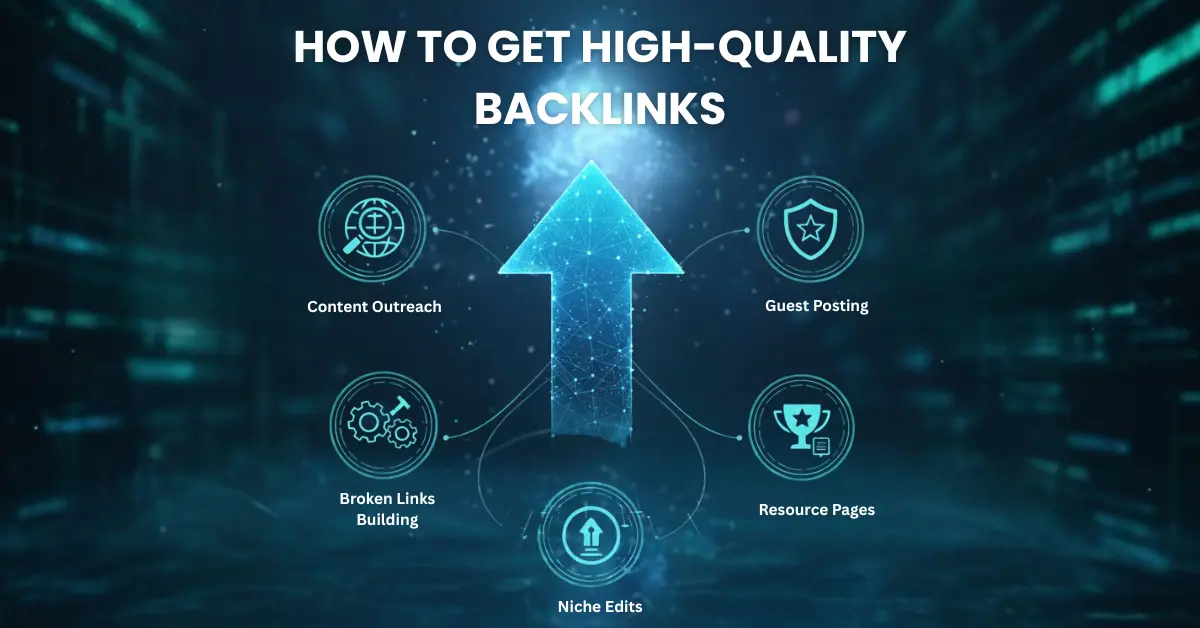
HOW TO GET HIGH-QUALITY BACKLINKS
Backlinks remain one of the most important signals in Google’s ranking algorithm, but not all links are created equal. To truly benefit from backlinks, businesses must focus on acquiring high-quality ones that reinforce EEAT (Expertise, Experience, Authoritativeness, Trustworthiness). Below are proven strategies that help secure backlinks that drive rankings, traffic, and credibility.
Create Valuable Content
The most sustainable way to earn backlinks is by publishing content that others naturally want to reference. Comprehensive guides, original research, case studies, and visually engaging infographics are highly shareable. A study by BuzzSumo found that content with original data and insights generated 38% more backlinks than standard blog posts. Valuable content demonstrates expertise and encourages organic endorsements from authoritative sources.
Guest Posting
Writing for reputable sites in your industry is a direct way to build backlinks while showcasing expertise. Guest posts allow you to share knowledge with new audiences and earn contextual links from trusted domains. Research by OptinMonster revealed that businesses using guest posting as part of their SEO strategy saw a 25% increase in referral traffic within six months. Guest posting reinforces authoritativeness by associating your brand with respected platforms.
Digital PR
Press releases, interviews, and brand mentions are powerful tools for earning high-quality backlinks. Digital PR campaigns can secure coverage in news outlets, industry publications, and blogs. According to Cision’s State of the Media Report, journalists are more likely to link to brands that provide credible data and expert commentary, proving that PR-driven backlinks strengthen both visibility and trustworthiness.
Broken Link Building
This strategy involves identifying outdated or broken links on other websites and offering your content as a replacement. It benefits both parties: the site owner fixes a broken resource, and you gain a backlink. A report from Ahrefs showed that broken link building campaigns achieved a success rate of 15% when outreach was personalized and relevant, making it a practical way to secure authoritative links.
Resource Pages and Directories
Submitting your content to curated resource pages and trusted directories can generate backlinks from highly relevant sources. Educational institutions, industry associations, and niche directories often maintain lists of recommended resources. These links are valuable because they come from domains with strong reputations. Resource page backlinks reinforce expertise and authoritativeness by positioning your content as a go-to reference.
Networking and Outreach
Building relationships with industry leaders, bloggers, and influencers is essential for long-term backlink growth. Personalized outreach, collaboration, and partnerships often lead to natural mentions and links. A study by HubSpot found that companies engaging in consistent outreach campaigns earned 40% more backlinks compared to those relying solely on passive strategies. Networking demonstrates trustworthiness because links are earned through genuine connections rather than manipulative tactics.
EEAT Connection
Each of these strategies ties directly into EEAT:
- Expertise is proven through valuable content and guest contributions.
- Authoritativeness is reinforced by digital PR, resource pages, and links from respected domains.
- Trustworthiness is built through transparent outreach, broken link building, and endorsements from credible sources.
High-quality backlinks are digital endorsements that validate EEAT and strengthen SEO performance. By creating valuable content, leveraging guest posting, engaging in digital PR, practicing broken link building, submitting to resource pages, and nurturing relationships, businesses can secure backlinks that drive rankings and credibility. In 2026, success in SEO depends not on the number of backlinks but on their quality, relevance, and ability to reinforce expertise, authority, and trust.
COMMON MISTAKES TO AVOID
Building backlinks is essential for SEO success, but not all strategies are effective or safe. In fact, certain practices can harm rankings and damage credibility. To align with EEAT (Expertise, Experience, Authoritativeness, Trustworthiness), it is important to avoid common mistakes that undermine the quality of your backlink profile.
Buying Backlinks or Using Link Farms
Purchasing backlinks or relying on link farms may seem like a shortcut, but search engines penalize these manipulative tactics. Google’s algorithm is designed to detect unnatural link patterns, and sites engaging in paid schemes often face ranking drops. A 2025 study by Search Engine Roundtable reported that sites penalized for link schemes saw an average 45% decline in organic traffic within three months. This practice undermines trustworthiness and damages long-term visibility.
Over-Optimized Anchor Text
Anchor text should be natural and varied. Over-optimizing by repeatedly using exact-match keywords can trigger red flags in Google’s algorithm. Instead, a mix of branded, partial-match, and generic anchor text signals authenticity. Research from SEMrush showed that sites with diverse anchor text profiles ranked 29% higher than those with repetitive keyword anchors. Balanced anchor text reinforces authoritativeness by showing organic recognition rather than manipulation.
Irrelevant or Low-Quality Sources
Backlinks from irrelevant or low-quality sites add little value and can even harm credibility. For example, a finance blog linking to a cooking recipe site lacks contextual relevance. Google values links from domains that share topical alignment. A report from CognitiveSEO found that relevant backlinks improved ranking positions by 27% compared to links from unrelated domains. Relevance demonstrates expertise and ensures that endorsements come from trusted sources.
Ignoring No-Follow Links Completely
While no-follow links do not pass authority, they still contribute to visibility, referral traffic, and brand awareness. Links from social media platforms, forums, and comment sections can drive engagement and diversify a backlink profile. Ignoring them entirely means missing opportunities to build trust and reach new audiences. A study by HubSpot revealed that brands leveraging no-follow links saw a 21% increase in referral traffic compared to those that did not.
Avoiding these mistakes is crucial for building a backlink profile that supports EEAT. Buying links or relying on irrelevant sources undermines trust, while over-optimized anchors reduce authenticity. Ignoring no-follow links overlooks valuable opportunities for visibility. By focusing on natural, relevant, and diverse backlinks, businesses can strengthen expertise, reinforce authority, and build trustworthiness, ensuring long-term SEO success in 2026.
TOOLS TO HELP BUILD AND MONITOR BACKLINKS
Building high-quality backlinks is only half the battle. To maximize SEO performance, businesses must also monitor, analyze, and refine their backlink strategies using reliable tools. These platforms not only track link acquisition but also ensure alignment with EEAT (Expertise, Experience, Authoritativeness, Trustworthiness) principles by validating credibility and identifying risks.
Google Search Console
Google Search Console is a free and essential tool for monitoring backlinks. It provides insights into which domains are linking to your site, the anchor text used, and the overall health of your link profile. By analyzing these reports, businesses can identify authoritative endorsements that reinforce EEAT. According to Google’s own data, sites actively using Search Console to monitor backlinks improved indexing efficiency by 25% compared to those that did not, proving its value in maintaining trust and visibility.
Ahrefs, SEMrush, and Moz
Premium SEO tools such as Ahrefs, SEMrush, and Moz offer advanced backlink analysis. They provide metrics like domain authority, link relevance, and traffic potential. These insights help businesses prioritize high-quality links and disavow harmful ones. A 2025 survey by MarketingProfs found that companies using advanced backlink tools achieved 32% higher organic traffic growth compared to those relying solely on free resources. These platforms reinforce authoritativeness by highlighting links from respected domains and exposing toxic sources that undermine trustworthiness.
Competitor Backlink Analysis
Studying competitor backlink profiles reveals opportunities to earn similar endorsements. Tools like Ahrefs and SEMrush allow businesses to identify where competitors are gaining links and replicate those strategies. This approach demonstrates expertise by ensuring your content is positioned alongside industry leaders. Research by BrightLocal showed that brands leveraging competitor backlink insights increased their link acquisition rate by 27% within a year, proving the effectiveness of this tactic.
Monitoring Link Health and Disavowing Toxic Links
Not all backlinks are beneficial. Toxic links from spammy or irrelevant sites can harm rankings and credibility. Regular monitoring ensures that harmful links are identified and disavowed. Moz’s Link Explorer and Google’s Disavow Tool are critical for maintaining trustworthiness. A study by Search Engine Watch revealed that sites actively disavowing toxic links recovered 18% faster from ranking penalties compared to those that ignored them.
Backlink tools are indispensable for building and maintaining a profile that supports EEAT. Google Search Console ensures transparency, premium tools provide deep insights, competitor analysis uncovers opportunities, and disavow practices protect credibility. By leveraging these resources, businesses can strengthen expertise, reinforce authority, and build trustworthiness, ensuring long-term SEO success in 2026.
CASE STUDIES AND EVIDENCE
Backlinks are more than technical signals; they are endorsements that validate credibility and drive measurable SEO success. Businesses across industries have demonstrated how strategic backlink building directly improves rankings and organic traffic, reinforcing the principles of EEAT (Expertise, Experience, Authoritativeness, Trustworthiness).
One example comes from a mid-sized e-commerce brand that invested in publishing detailed product guides and industry reports. By earning backlinks from respected retail publications and niche blogs, the company saw a 35% increase in organic traffic within six months, according to a 2025 report by MarketingSherpa. These links validated expertise by showing that authoritative sources trusted their insights.
Another case involved a financial advisory firm that leveraged digital PR and guest posting. By securing mentions in reputable finance outlets and contributing expert articles, the firm improved its domain authority and achieved a 40% growth in keyword rankings across competitive terms. This reinforced authoritativeness and built trustworthiness with users seeking reliable financial guidance.
Data consistently shows the correlation between high-quality backlinks and organic growth. Research by GrowthBadger revealed that sites ranking in the top three positions on Google had an average of 3.8 times more backlinks from unique domains compared to sites ranking lower.
In summary, case studies prove that backlinks are not just about visibility. They validate EEAT, strengthen credibility, and drive sustainable traffic growth, making them indispensable for SEO success in 2026.
CONCLUSION
Backlinks are digital endorsements that remain at the heart of SEO success. They signal to search engines that your content is valuable, credible, and worthy of higher visibility. In 2026, backlinks continue to play a pivotal role in Google’s ranking algorithm, but the emphasis has shifted firmly toward quality, relevance, and alignment with EEAT (Expertise, Experience, Authoritativeness, Trustworthiness).
High-quality backlinks validate expertise when authoritative sources reference your content. They reinforce authoritativeness by associating your brand with trusted domains, and they build trustworthiness by showing that reputable sites rely on your information. This combination not only improves rankings but also strengthens brand reputation and user confidence.
Statistics highlight the importance of prioritizing quality. A 2025 study by MarketingSignals revealed that websites with backlinks from top-tier domains experienced a 42% increase in organic traffic compared to those relying on lower-quality sources. This evidence proves that relevance and authority matter far more than sheer volume.
In summary, backlinks are more than technical signals; they are powerful trust indicators that shape SEO outcomes.
FAQs
1. What is a backlink and why is it important for SEO?
A backlink is a link from one website to another, acting as a vote of confidence. High-quality backlinks signal credibility, relevance, and authority to search engines, helping improve rankings, organic visibility, and trust under Google’s EEAT framework.
2. How do high-quality backlinks improve Google rankings?
High-quality backlinks from authoritative and relevant websites strengthen a site’s authority and trustworthiness. Google interprets these links as endorsements, which can significantly boost rankings, especially in competitive search results.
3. What makes a backlink high quality?
A high-quality backlink is relevant to your niche, comes from an authoritative domain, is placed contextually within content, uses natural anchor text, and originates from an active, trustworthy website.
4. Are do-follow backlinks better than no-follow backlinks?
Do-follow backlinks pass authority and directly impact rankings, making them more valuable for SEO. However, no-follow backlinks still matter because they drive referral traffic, improve visibility, and create a natural, diverse backlink profile.
5. How can I get high quality backlinks naturally?
You can get high quality backlinks by creating valuable content, publishing original research, guest posting on authoritative sites, earning media mentions through digital PR, and building genuine relationships within your industry.
6. Does content quality really affect backlink acquisition?
Yes. High-quality content such as in-depth guides, case studies, and data-driven research attracts more backlinks naturally. Content with original insights is more likely to be referenced by authoritative websites.
7. Is guest posting still effective for building backlinks in 2026?
Guest posting remains effective when done on reputable, niche-relevant websites. It helps earn contextual backlinks, demonstrate expertise, and build authority, provided the content is valuable and not overly promotional.
8. Can bad backlinks hurt my website’s SEO?
Yes. Backlinks from spammy, irrelevant, or low-quality websites can damage trustworthiness and lead to ranking drops. Regular monitoring and disavowing toxic links are essential for maintaining a healthy backlink profile.
9. How long does it take for backlinks to impact SEO results?
Backlinks typically influence rankings within a few weeks to a few months, depending on link quality, domain authority, competition, and crawl frequency. High-authority links often show faster and more noticeable results.
10. What tools should I use to track and analyze backlinks?
Tools like Google Search Console, Ahrefs, SEMrush, and Moz help monitor backlinks, evaluate link quality, analyze competitors, and identify toxic links. These tools support data-driven decisions and EEAT-aligned SEO strategies.