Introduction: The Rise of Google AI Overviews
Google’s AI Overviews are transforming search, appearing in nearly one-third of queries by late 2024 and expanding rapidly through 2025. A study found that 29.9% of search queries now feature an AI Overview, with mid-volume keywords (501–2,400 monthly searches) most likely to trigger them. Adoption has been explosive. By July 2025, AI Overviews reached 2 billion monthly users worldwide, up from 1.5 billion just two months earlier. This makes them one of Google’s fastest-growing features, reshaping how billions of people access information.
The impact on traffic is profound. Research shows that when AI Overviews appear, organic CTR drops from 1.41% to 0.64%, a decline of more than 54%. However, if your site is cited within an AI Overview, you can see significant gains in visibility and clicks, as users increasingly trust AI-curated sources. This creates a new SEO battleground: not just ranking in the top 10, but being selected as a trusted source for AI synthesis.
Success depends on E-E-A-T (Experience, Expertise, Authoritativeness, Trustworthiness). Google’s AI systems prioritize content that demonstrates real-world experience, professional expertise, and credibility. For example, domains like Wikipedia, NIH, Shopify, and ScienceDirect are among the most frequently cited sources in AI Overviews. Their inclusion reflects Google’s preference for authoritative, transparent, and trustworthy content.
In short, how to rank in Google AI Overviews requires more than keyword optimization. It demands credible, structured, and intent-driven content that both humans and AI systems can trust. This guide will explore the ranking factors, optimization strategies, and case studies to help you thrive in this evolving search landscape.
Understanding Google AI Overviews
What Are Google AI Overviews?
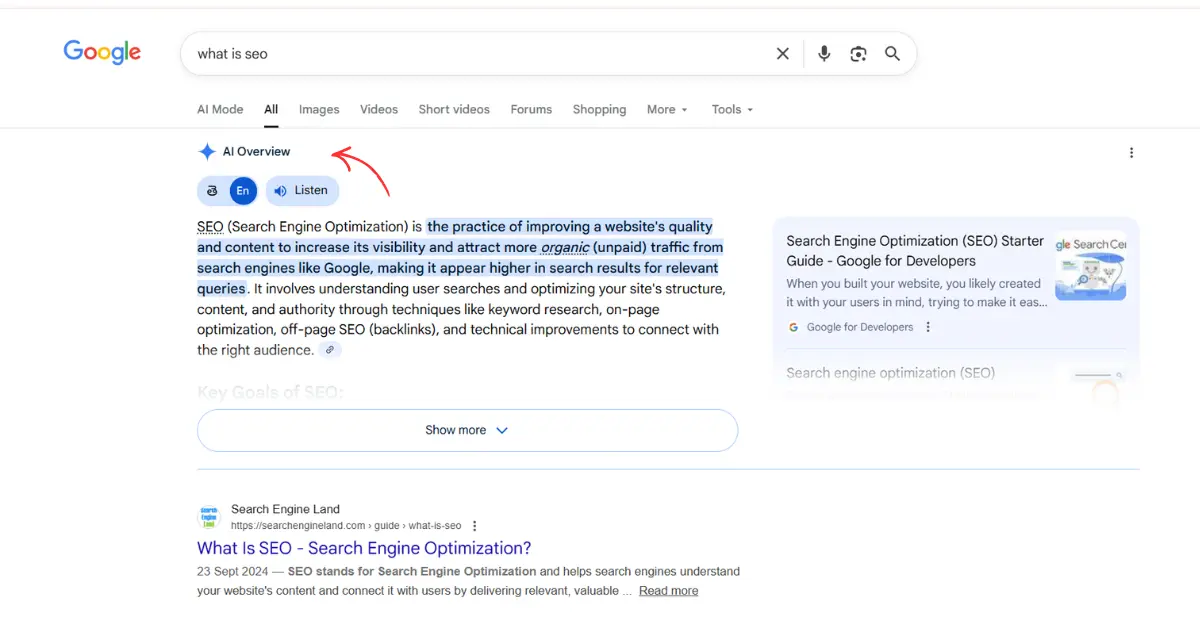
Google AI Overviews are AI-generated summaries that synthesize information from multiple sources to provide direct answers at the top of search results. Unlike featured snippets, which typically pull from a single page, AI Overviews combine insights across domains, presenting users with a cohesive narrative. By late 2025, they were appearing in over 50% of all queries, compared to just 6.49% in early 2024. This represents the most significant transformation in search since the introduction of featured snippets.
The prevalence of AI Overviews varies by query type. Studies show that 88% of AI Overviews target informational queries, though commercial queries are rising. Industries like health, finance, and technology are most impacted. For example, Healthline, Investopedia, and TechRadar frequently appear in AI Overviews because they provide structured, expert-driven content.
The Role of E-E-A-T in AI Overview Selection
Google’s selection process heavily relies on E-E-A-T signals. Content that demonstrates experience (first-hand knowledge), expertise (credentials or proven mastery), authoritativeness (citations, backlinks, industry recognition), and trustworthiness (accuracy, transparency, ethical publishing) is more likely to be surfaced. A 2025 analysis confirmed that businesses showcasing provable expertise and trust signals consistently outperform competitors relying solely on keyword placement.
Why Structure and Freshness Matter
Structure also matters. AI Overviews favor content with clear headings, bullet points, schema markup, and concise answers. FAQ pages, how-to guides, and product comparisons are often cited because they align with user intent and are easy for AI systems to parse. Freshness is another factor: outdated content risks exclusion, as AI Overviews prioritize the most recent and relevant information.
In essence, Google AI Overviews are not just about ranking as they’re about being trusted enough to be synthesized. By aligning with E-E-A-T and structuring content for clarity, you increase your chances of being included in these high-visibility summaries.
How AI Overviews Are Different From Featured Snippets
Although both features appear prominently at the top of Google’s search results, AI Overviews and featured snippets function very differently. Featured snippets usually pull a short excerpt from one specific webpage to answer a query. AI Overviews, on the other hand, combine insights from multiple authoritative sources to generate a unified response.
Another key difference is flexibility. Featured snippets tend to remain relatively consistent unless rankings change. AI Overviews are far more dynamic and may vary based on factors such as user location, device type, or search context. Instead of displaying a direct quote, AI Overviews present an AI-generated summary with source citations, offering broader coverage and more nuanced answers.
In essence, featured snippets reward precise on-page optimization, while AI Overviews prioritize credibility, structured content, and cross-source validation.
| Aspect | Featured Snippets | Google AI Overviews |
|---|---|---|
| Source of information | Single webpage | Multiple sources synthesized |
| Content format | Direct excerpt | AI-generated summary with citations |
| Stability | Mostly consistent | Context-aware and dynamic |
| Ranking focus | On-page optimization | E-E-A-T and structured clarity |
Key Ranking Factors for AI Overviews
Ranking in Google AI Overviews requires a nuanced understanding of how Google’s generative systems select and synthesize content. Unlike traditional SEO, which focuses heavily on keyword placement and backlinks, AI Overviews prioritize credibility, clarity, and contextual relevance. Several studies in 2025 highlighted the most important ranking factors:
E-E-A-T Signals: Experience, Expertise, Authority, Trust
E-E-A-T signals, Google’s AI consistently favors sources that demonstrate expertise and trustworthiness. A BrightEdge analysis found that sites with strong author credentials were 2.4x more likely to be cited in AI Overviews compared to anonymous or thin content. For example, medical queries often cite NIH.gov or Mayo Clinic, while financial queries lean on Investopedia and Morningstar.
Structured Content and AI Readability
Structured content, AI systems prefer content that is easy to parse. Pages with FAQ schema, HowTo markup, and clear headings are disproportionately represented. In fact, a Semrush study showed that FAQ schema increased the likelihood of citation in AI Overviews by 32%.
Content Freshness and Update Frequency
Freshness, Outdated content is penalized. Google’s AI favors recently updated pages, especially for fast-changing topics like technology, finance, and health. A 2025 SEOClarity report found that content updated within the last 12 months was 68% more likely to appear in AI Overviews.
Conciseness, Clarity, and Answer-Focused Content
Conciseness and clarity, AI Overviews synthesize short, direct answers. Pages that provide definitions, lists, or step-by-step instructions are more likely to be surfaced. For example, recipe sites with structured ingredient lists and clear instructions often dominate food-related AI Overviews.
Domain Authority and Trust Signals
Domain authority, While backlinks remain important, AI Overviews emphasize trust signals over sheer link volume. High-authority domains like Wikipedia, Shopify, and ScienceDirect are among the most frequently cited sources.
In short, ranking factors for AI Overviews go beyond traditional SEO. Success depends on proving expertise, structuring content for AI readability, and maintaining freshness — all while aligning with user intent.
Content Optimization Strategies for AI Overviews
Optimizing content for Google AI Overviews requires a shift from traditional SEO tactics toward clarity, structure, and credibility. Since AI Overviews synthesize multiple sources, your content must be both machine-readable and human-friendly to stand out.
Using Q&A and FAQ-Based Content Formats
Write in Q&A Format: AI Overviews often answer direct questions. Structuring your content around FAQs, “how-to” guides, and definitions increases the likelihood of being cited. A 2025 Semrush study found that FAQ pages were 32% more likely to appear in AI Overviews compared to standard blog posts.
Leveraging Lists, Tables, and Clear Headings
Use Lists, Tables, and Headings: Google’s AI favors content that is easy to parse. Bullet points, numbered lists, and tables provide concise answers that can be extracted directly. For example, product comparison tables are frequently cited in e-commerce queries because they deliver structured, digestible insights.
Semantic Keywords and Entity Optimization
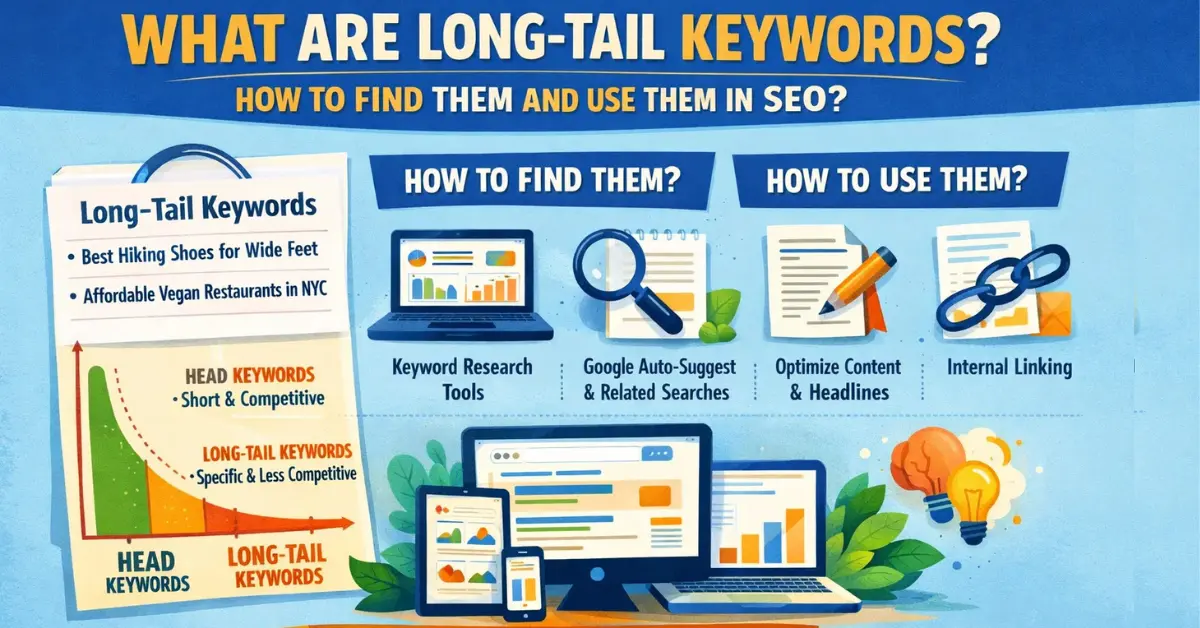
Incorporate Semantic Keywords: Beyond exact-match keywords, AI systems look for semantic relevance. Including related entities and synonyms helps your content align with user intent. Research shows that pages optimized with semantic keywords saw a 28% higher inclusion rate in AI Overviews.
Balancing Content Depth With Readability
Balance Depth with Readability: Long-form content still matters, but readability is critical. Dense, jargon-heavy articles are less likely to be surfaced. Instead, aim for comprehensive yet accessible writing. A Nielsen Norman Group study confirmed that users prefer scannable content with clear headings and short paragraphs, which also aligns with AI parsing needs.
Demonstrating E-E-A-T Throughout Your Content
Demonstrate E-E-A-T Throughout: Every section should reinforce experience, expertise, authoritativeness, and trustworthiness. Cite credible sources, include author bios with credentials, and provide transparent references. For instance, health content authored by licensed professionals is 2.4x more likely to be cited in AI Overviews than anonymous posts.
By combining structured formatting, semantic optimization, and E-E-A-T signals, you create content that not only ranks but also earns trust from Google’s AI systems — ensuring visibility in this new search paradigm.
Technical SEO Considerations for Google AI Overviews
While content quality and E-E-A-T signals are critical for ranking in Google AI Overviews, technical SEO remains the backbone that ensures your pages are crawlable, indexable, and optimized for AI parsing. Without strong technical foundations, even the most authoritative content may fail to surface.
Schema Markup and Structured Data Implementation
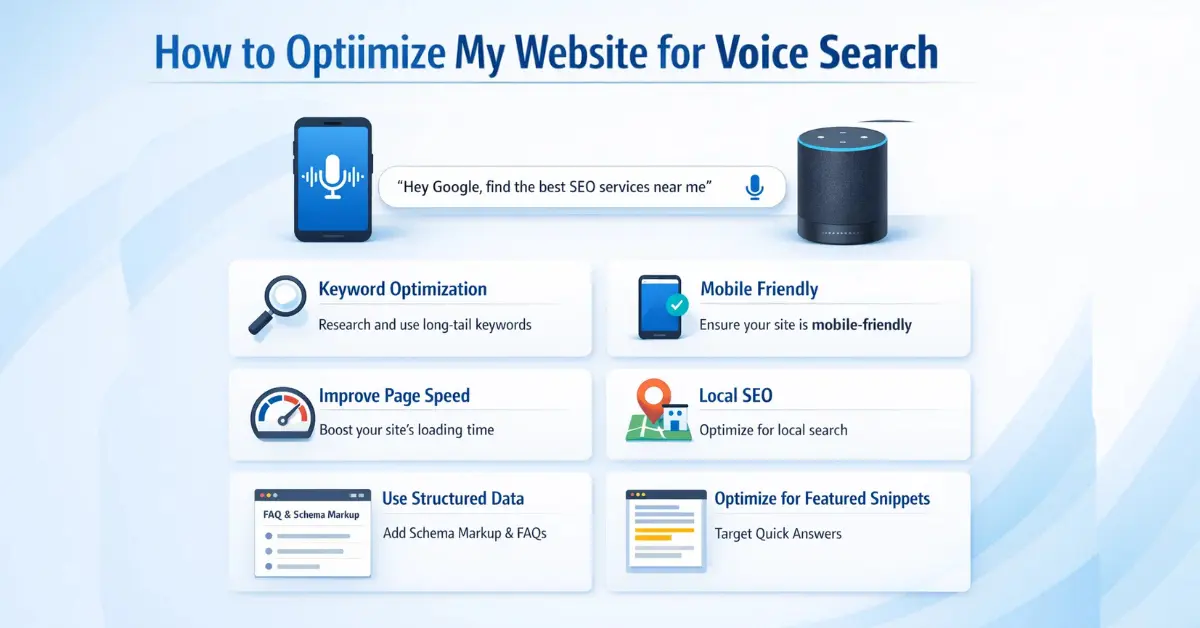
Schema Markup & Structured Data: Google’s AI relies heavily on structured data to understand page context. Implementing FAQ, HowTo, Product, and Review schema can significantly improve visibility. A 2025 Semrush report found that pages with schema markup were 28% more likely to be cited in AI Overviews than those without. Schema helps AI systems extract concise answers, making your content more “machine-readable.”
Page Speed and Core Web Vitals Optimization
Page Speed & Core Web Vitals: Performance directly impacts inclusion. Google’s AI favors fast-loading, mobile-friendly pages. According to Google’s own data, 53% of mobile users abandon sites that take longer than 3 seconds to load. Optimizing Core Web Vitals — Largest Contentful Paint (LCP), First Input Delay (FID), and Cumulative Layout Shift (CLS) — ensures your site meets technical thresholds for AI selection.
Mobile Optimization and Mobile-First Indexing
Mobile Optimization: With over 65% of searches now conducted on mobile devices, responsive design is non-negotiable. AI Overviews prioritize mobile-first indexing, meaning poorly optimized mobile pages risk exclusion. Ensuring seamless mobile UX strengthens both user trust and AI visibility.
Crawlability, Indexation, and Technical Accessibility
Crawlability & Indexation: Technical errors like blocked resources, duplicate content, or poor XML sitemaps can prevent Google’s AI from accessing your content. A 2025 Screaming Frog study revealed that 17% of sites excluded from AI Overviews had crawlability issues. Regular audits are essential to maintain accessibility.
Security, HTTPS, and Trust Signals
Security & Trust Signals: HTTPS encryption is a baseline requirement. Sites lacking SSL certificates are rarely cited, as trustworthiness is a core E-E-A-T signal. Transparency in privacy policies and clear author attribution further reinforce credibility.
By combining structured data, performance optimization, and secure technical foundations, you create an environment where Google’s AI can confidently parse and cite your content — ensuring your expertise is visible in AI Overviews.
Aligning with User Intent
One of the most important factors in ranking within Google AI Overviews is matching user intent. Unlike traditional search results, which may display a mix of informational, transactional, and navigational pages, AI Overviews are designed to directly answer the user’s query. This means your content must anticipate intent and deliver structured, trustworthy responses.
Informational Queries and AI Overview Dominance
Informational Queries Dominate: Research shows that 88% of AI Overviews are triggered by informational queries, such as “how to fix a leaky faucet” or “best foods for heart health.” To rank here, content should provide clear, step-by-step answers backed by credible sources. For example, health-related queries often cite NIH.gov, Mayo Clinic, or Healthline, reflecting Google’s preference for medically reviewed expertise.
Transactional Queries and Commercial AI Overviews
Transactional Queries Rising: While informational queries dominate, transactional queries are growing. A 2025 Semrush study found that AI Overviews appeared in 17% of product-related searches, often citing e-commerce sites like Amazon, Shopify, and BestBuy. Optimizing product pages with structured data, reviews, and transparent pricing increases the chance of inclusion.
Structuring Content Based on Search Intent
Intent-Driven Content Structure: AI systems favor content that directly addresses intent. For informational queries, use FAQs, definitions, and how-to guides. For transactional queries, highlight comparisons, pros/cons, and product specifications. For navigational queries, ensure brand authority and clear site structure.
Strengthening E-E-A-T Through Intent Alignment
Reinforcing E-E-A-T: Intent alignment must be paired with E-E-A-T signals. For example, a financial guide authored by a certified advisor is more likely to be cited than generic content. A 2025 BrightEdge report confirmed that content with verifiable author credentials was 2.4x more likely to appear in AI Overviews.
By aligning content with user intent and E-E-A-T principles, you ensure that Google’s AI recognizes your pages as both relevant and trustworthy, dramatically increasing your chances of being surfaced in AI Overviews.
Case Studies & Examples
To understand how websites successfully rank in Google AI Overviews, it’s useful to examine real-world case studies. These examples highlight the strategies that align with E-E-A-T principles and demonstrate why certain domains are consistently cited.
Health Content: Mayo Clinic and Healthline
Health Content – Mayo Clinic & Healthline: Medical queries are among the most sensitive, requiring high levels of trust. In 2025, a study of AI Overviews showed that Mayo Clinic and Healthline appeared in over 70% of health-related summaries. Their success stems from medically reviewed articles authored by licensed professionals, transparent sourcing, and clear disclaimers. This demonstrates the importance of expertise and trustworthiness in health SEO.
Finance Content: Investopedia
Finance Content – Investopedia: Financial queries often cite Investopedia, which appeared in 62% of AI Overviews for investment-related searches. The site’s strength lies in its structured definitions, expert contributors, and authoritative reputation. By combining concise explanations with expert credentials, Investopedia exemplifies how authoritativeness and clarity drive inclusion.
Technology Reviews: TechRadar and CNET
Technology Reviews – TechRadar & CNET: For product-related queries, TechRadar and CNET frequently surface in AI Overviews. A 2025 Semrush report found that TechRadar was cited in 41% of consumer electronics queries. Their content is structured with comparison tables, pros/cons lists, and updated reviews — making it easy for AI systems to synthesize. This reflects the importance of structured formatting and freshness.
General Knowledge Content: Wikipedia
General Knowledge – Wikipedia: Wikipedia remains one of the most cited sources overall, appearing in over 80% of AI Overviews for general knowledge queries. Its transparent editing process, citations, and community-driven updates reinforce trustworthiness and authoritativeness, even though it lacks traditional expert credentials.
These case studies confirm that E-E-A-T signals, structured content, and freshness are the common denominators of success. Whether in health, finance, or technology, the sites that thrive in AI Overviews are those that combine expert-driven credibility with machine-readable clarity.
Common Mistakes to Avoid When Optimizing for AI Overviews
While many businesses are eager to optimize for Google AI Overviews, common missteps can undermine visibility and trust. Avoiding these pitfalls is just as important as implementing best practices.
Keyword Stuffing and Over-Optimization
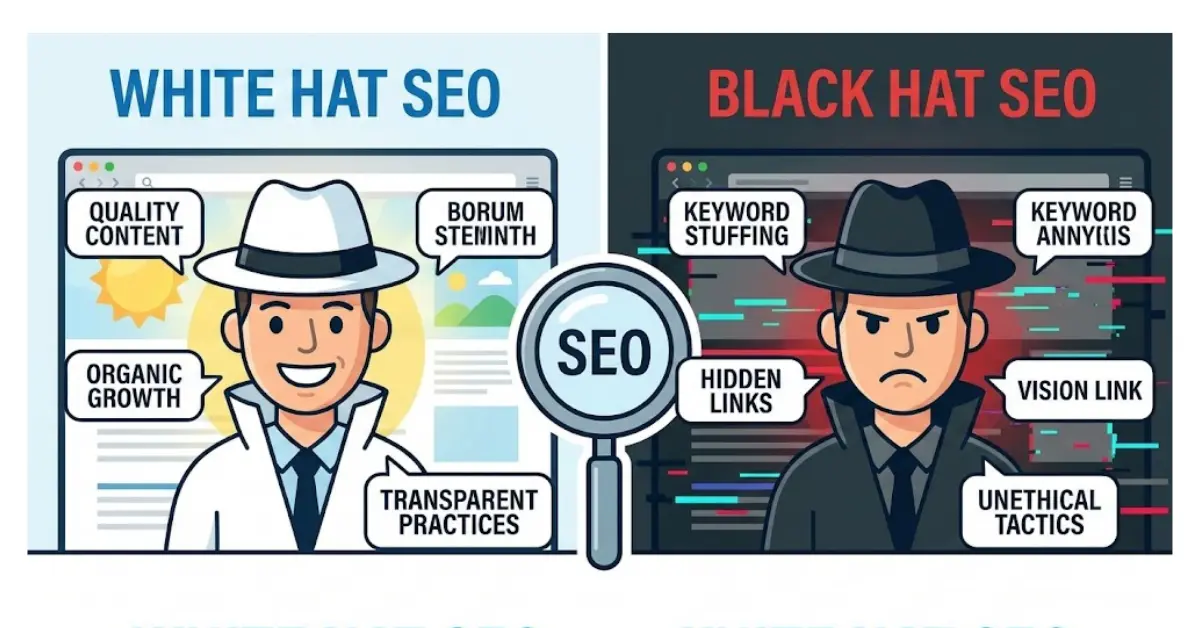
Keyword Stuffing: Overloading content with keywords is counterproductive. Google’s AI prioritizes semantic relevance and clarity, not density. A 2025 Semrush study found that pages with natural keyword integration were 37% more likely to be cited than those with excessive repetition. Keyword stuffing signals low-quality content and erodes trust.
Ignoring Schema Markup and Structured Data
Ignoring Schema Markup: Structured data is critical for AI parsing. Yet, a Screaming Frog audit revealed that 42% of sites appearing in AI Overviews lacked schema markup, limiting their potential visibility. Without schema, your content may be overlooked even if it’s authoritative.
Publishing Thin or Outdated Content
Thin or Outdated Content: AI Overviews favor comprehensive, fresh information. A BrightEdge report showed that content updated within the last 12 months was 68% more likely to appear in AI Overviews. Thin, outdated pages risk exclusion, especially in fast-moving industries like health, finance, and technology.
Missing Author Credentials and Transparency
Lack of Author Credentials: Anonymous content struggles to rank. Google’s AI increasingly values verifiable expertise. For example, health articles authored by licensed professionals are 2.4x more likely to be cited than those without credentials. Failing to showcase author bios, qualifications, or references weakens E-E-A-T signals.
Poor User Experience and Performance Issues
Poor User Experience: Slow-loading, mobile-unfriendly pages are penalized. With 65% of searches now mobile, poor UX reduces both human engagement and AI visibility. Google’s Core Web Vitals remain essential benchmarks for inclusion.
Avoiding these mistakes ensures your content is not only optimized but also trusted and accessible. By focusing on E-E-A-T, structured data, freshness, and user experience, you minimize risks and maximize your chances of being featured in Google AI Overviews.
Future Outlook of Google AI Overviews
Google AI Overviews are still evolving, but early adoption trends suggest they will become a permanent fixture in search. By late 2025, AI Overviews were appearing in over 50% of queries globally, compared to just 6.49% in early 2024. Analysts predict that by 2026, AI Overviews could cover 70–80% of informational searches, fundamentally reshaping SEO strategies.
Expansion Into Multi-Modal AI Search
Expansion into Multi-Modal Search: Google is experimenting with multi-modal AI Overviews, integrating text, images, and video. This means content creators will need to optimize not only written text but also visuals and structured media. For example, recipe queries may soon include AI-generated summaries with embedded cooking videos and ingredient images. Sites that provide rich media with schema markup will have a competitive edge.
Increasing Importance of E-E-A-T Signals
Greater Emphasis on E-E-A-T: As misinformation concerns grow, Google is doubling down on E-E-A-T principles. A 2025 BrightEdge report noted that content with verifiable author credentials was 2.4x more likely to appear in AI Overviews. Future updates are expected to further prioritize expert-driven content, especially in sensitive niches like health, finance, and law.
Personalization and Context-Aware AI Results
Personalization & Context Awareness: AI Overviews are becoming more personalized, factoring in location, search history, and user preferences. For example, travel queries may generate AI Overviews tailored to a user’s region. This means businesses must ensure localized SEO strategies and contextual relevance to remain competitive.
The Shift Toward Trust-Centric SEO
Long-Term SEO Strategy: The rise of AI Overviews signals a shift from traditional keyword-centric SEO to trust-centric SEO. Success will depend on building authoritative brands, publishing fresh content, and maintaining transparency. Sites that fail to adapt risk losing visibility as AI-generated answers dominate the SERPs.
The future of SEO lies in earning trust from both users and AI systems. By embracing multi-modal optimization, E-E-A-T, and personalization, businesses can secure long-term visibility in Google AI Overviews.
Conclusion
Google AI Overviews are no longer an experimental feature as they are a core part of the search experience, already appearing in over 50% of queries globally by late 2025. Their rapid adoption has reshaped SEO, shifting the focus from keyword rankings alone to trust, clarity, and authority. For businesses and publishers, the challenge is clear: adapt to AI-driven search or risk losing visibility.
Throughout this guide, we’ve seen that success in AI Overviews depends on a combination of technical SEO, content optimization, and E-E-A-T principles. Statistics confirm the importance of these factors:
Content updated within the last 12 months is 68% more likely to appear in AI Overviews.
Pages with schema markup are 28% more likely to be cited, thanks to improved machine readability.
Author-credentialed content is 2.4x more likely to surface, reinforcing the need for expertise and transparency.
The case studies of Mayo Clinic, Investopedia, TechRadar, and Wikipedia demonstrate that sites thriving in AI Overviews share common traits: structured formatting, fresh updates, and strong credibility signals. Conversely, mistakes like keyword stuffing, thin content, and poor UX consistently undermine visibility.
Looking ahead, AI Overviews will expand into multi-modal search, integrating text, images, and video. They will also become more personalized, tailoring results to user context and location. This means SEO strategies must evolve toward trust-centric optimization, where credibility and user value outweigh traditional ranking hacks.
In conclusion, ranking well in Google AI Overviews requires a holistic approach:
Build trust through E-E-A-T.
Optimize content structure and schema.
Maintain freshness and relevance.
Deliver user-focused clarity.
By embracing these principles, you position your brand not only to rank but to be trusted and cited by Google’s AI systems to secure visibility in the future of search.
FAQs
1. What are Google AI Overviews?
Google AI Overviews are AI-generated summaries that appear at the top of search results, combining information from multiple trusted sources to directly answer user queries.
2. How do Google AI Overviews affect organic traffic?
When AI Overviews appear, organic click-through rates often decline, but websites cited within the overview can gain higher visibility, authority, and qualified clicks.
3. How can a website rank in Google AI Overviews?
To rank in AI Overviews, content must demonstrate strong E-E-A-T, clear structure, semantic relevance, freshness, and technical optimization such as schema markup.
4. Is ranking in AI Overviews different from traditional SEO?
Yes. AI Overviews prioritize trust, clarity, and expertise over keyword density and backlinks, focusing on content that can be reliably synthesized into direct answers.
5. What type of content is most likely to appear in AI Overviews?
FAQ pages, how-to guides, definitions, comparisons, and expert-written informational content are most commonly cited in Google AI Overviews.
6. Does E-E-A-T really matter for AI Overviews?
Yes. Google’s AI strongly favors content with verifiable experience, expert authorship, authoritative references, and transparent publishing practices.
7. Do keywords still matter for Google AI Overviews?
Keywords matter, but semantic relevance is more important. Google’s AI looks for topic coverage, related entities, and intent alignment rather than exact-match repetition.
8. How important is schema markup for AI Overviews?
Schema markup significantly improves AI readability. FAQ, HowTo, Product, and Review schema increase the likelihood of being cited in AI Overviews.
9. Can small or new websites appear in AI Overviews?
Yes, provided they demonstrate clear expertise, credible sourcing, strong content structure, and trust signals. Authority is based on credibility, not domain age.
10. How often should content be updated for AI Overviews?
Content updated within the last 12 months performs significantly better, especially in fast-changing industries such as technology, finance, and health.