IDENTIFY YOUR TRUE COMPETITORS
When most people think about competitors, they imagine businesses selling the same products or services. But in SEO, competitors are defined differently. Your true competitors are any websites that rank higher than you for the keywords you want to target. This means they don’t have to sell the same thing as you and they just need to capture the attention of your audience in search results.
For example, imagine you run a bakery blog. You might assume your competitors are other local bakeries. But when you search for “best chocolate cake recipe,” you’ll notice that recipe websites, food magazines, and even YouTube cooking channels appear at the top of Google. These are your real SEO competitors because they are taking the clicks you want.
Identifying competitors starts with keyword research. Tools like Google Search Console, SEMrush, or Ahrefs can show you which sites rank for the keywords you care about. Once you know who they are, you can study their strategies such as the type of content they publish, how often they update it, and where they get backlinks. According to backlinko, the top 3 Google results receive over 54% of all clicks. If your competitors are holding those positions, they are capturing most of the traffic. By analyzing them, you can find gaps in your own strategy.
For instance, if your bakery blog only posts short recipes but competitors publish detailed guides with videos, you’ll know what to improve. Similarly, if competitors earn backlinks from food magazines, you can aim to build similar relationships.
In short, identifying your true competitors means looking beyond your industry rivals and focusing on who dominates the search results for your target keywords. This is the first step in building a strong SEO strategy.
KEYWORD ANALYSIS
Keyword analysis is one of the most important steps in SEO competitor research. It helps you understand which search terms your competitors are ranking for and where you might be missing opportunities. By studying competitor keywords, you can discover new topics to write about, identify gaps in your content, and improve your chances of ranking higher in search results.
Using Tools to Discover Competitor Keywords
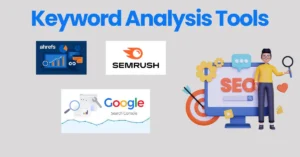
Tools like Ahrefs, SEMrush, and Google Search Console make keyword analysis easier.
- Ahrefs shows you the exact keywords competitors rank for, along with search volume and difficulty.
- SEMrush provides keyword gap analysis, highlighting terms your competitors rank for but you don’t.
- Google Search Console helps you see which queries already bring traffic to your site, so you can compare them with competitor data.
For example, if you run a bakery blog, you might find that a competitor ranks for “easy vegan cakes” while you don’t. That’s a keyword opportunity; you can create content around vegan cake recipes to attract new visitors.
Look for High-Traffic Keywords You Don’t Target
Competitors often rank for keywords that bring significant traffic. By identifying these, you can expand your content strategy. However, it’s not just about chasing high-volume keywords. Many of them are highly competitive and difficult to rank for. Instead, focus on intent-driven keywords as these terms that match what users are actually looking for.
For example:
- High-volume keyword: “cakes” (too broad, very competitive).
- Intent-driven keyword: “easy vegan birthday cake recipe” (specific, less competitive, matches user intent).
This approach ensures you attract visitors who are more likely to engage with your content or buy your products.
Why Intent Matters More Than Volume
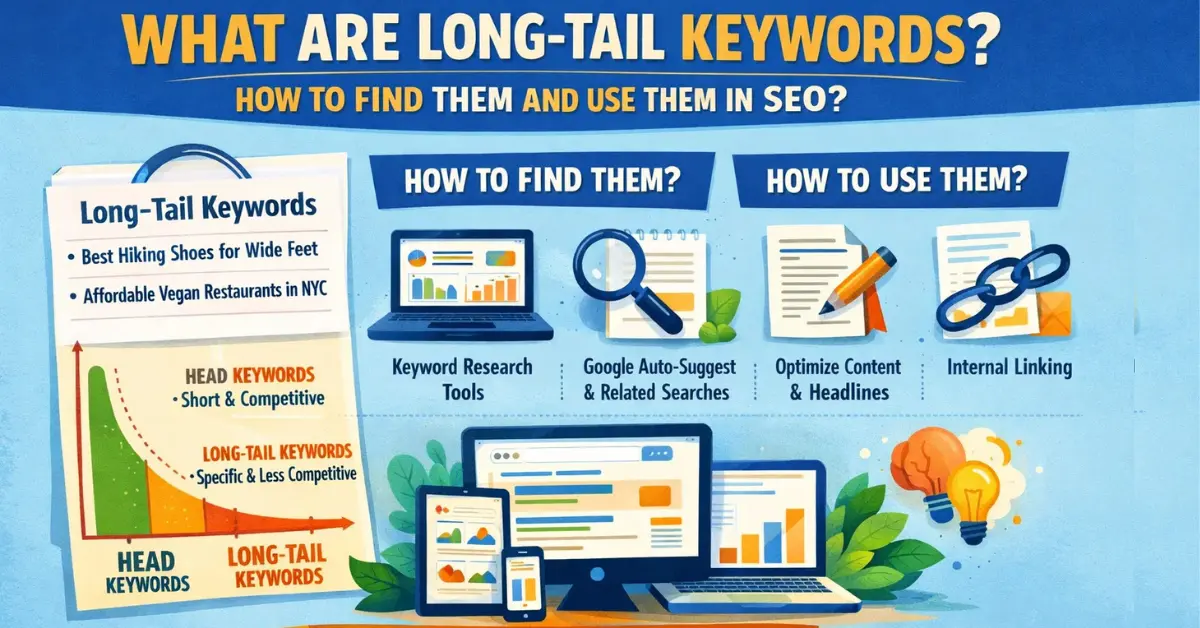
According to Ahrefs, 92% of keywords get fewer than 10 searches per month. This shows that most keywords are long-tail (specific phrases with low search volume). While they may not bring thousands of visitors at once, they often convert better because they match user intent closely. For example, someone searching “buy gluten-free cake in Hyderabad” is more likely to make a purchase than someone searching “cake.” By targeting these intent-driven keywords, you can capture highly relevant traffic that competitors may overlook.
Example: Bakery Blog Keyword Gap
Imagine you run a bakery blog. Your competitor ranks for:
- “easy vegan cakes”
- “birthday cake ideas”
- “gluten-free chocolate cake recipe”
But your site only ranks for:
- “best cakes near me”
- “simple cake recipes”
By analysing this gap, you realize you’re missing opportunities in vegan and gluten-free recipes. Writing detailed posts on these topics can help you attract new audiences and compete more effectively.
Keyword analysis is not about copying competitors and it’s about learning from them. By using tools to see which keywords they rank for, identifying high-traffic opportunities, and focusing on intent-driven searches, you can strengthen your SEO strategy. Over time, this helps you close the gap, attract more visitors, and build authority in your niche.
CONTENT ANALYSIS
Content analysis is a key part of SEO competitor research. It helps you understand what type of content your competitors publish, how they structure it, and how fresh or updated it is. By studying their approach, you can identify gaps in your own content strategy and improve your chances of ranking higher in search results.
Types of Content Competitors Publish
Competitors may use different formats to attract visitors:
- Blog posts: Detailed articles that answer questions or provide tips.
- Guides: Step-by-step resources that explain topics in depth.
- Videos: Tutorials or product reviews that engage visual learners.
- Infographics: Visual summaries of complex information.
For example, if you run a bakery blog, you might only publish short recipes. But a competitor could be posting long guides like “Complete Guide to Baking Vegan Cakes” or videos showing step-by-step cake decoration. These formats often perform better because they provide more value to users.
Length and Structure of Content
The length and structure of content play a big role in SEO. Research from SEMrush found that long-form content (1,500+ words) gets 3x more traffic than short posts. Longer content usually covers a topic more thoroughly, includes multiple keywords, and keeps users engaged longer. Structure is equally important. Competitors often use clear headings, bullet points, and images to make content easy to read. If your blog post on “birthday cake ideas” is only 500 words with no images, while a competitor’s post is 2,000 words with updated pictures and clear sections, their content will likely rank higher.
Freshness of Content
Search engines prefer fresh, updated content. Competitors who regularly update their posts with new information, images, or statistics often outrank sites with outdated material. For example, a blog post titled “Top Cake Trends in 2022” may lose relevance, while a competitor updating theirs to “Top Cake Trends in 2026” signals freshness to Google. HubSpot reports that updating old blog posts can increase traffic by up to 106%. This shows how important it is to keep content current.
Example: Imagine you run a bakery blog. Your competitor has a post titled “Birthday Cake Ideas” that is 2,000 words long, includes high-quality images, and was updated last month. Your version is only 500 words, has no images, and hasn’t been updated in two years.
By analysing this, you know exactly where to improve:
- Expand your post with more ideas and details.
- Add fresh images of cakes.
- Update the content regularly to reflect new trends.
This simple adjustment can help you compete more effectively.
Content analysis shows you what works for competitors and what you can do better. Study their formats, check the length and structure, and ensure your content is fresh. By closing these gaps, you’ll create more valuable resources for your audience and improve your chances of ranking higher in search results.
BACKLINK ANALYSIS
Backlinks are one of the most important ranking factors in SEO. A backlink is simply a link from another website pointing to your site. Search engines like Google see backlinks as “votes of confidence.” The more quality backlinks a site has, the more trustworthy and authoritative it appears. This is why competitor backlink analysis is so valuable and it shows you where your competitors are getting these votes and how you can earn similar ones.
Why Backlinks Matter
Backlinks help search engines decide which sites deserve to rank higher. According to Backlinko, pages with more backlinks rank higher 91% of the time. This means that even if your content is good, you may struggle to outrank competitors if they have stronger backlink profiles. By analysing competitor backlinks, you can discover opportunities to build your own authority.

Tools for Backlink Analysis
Tools like Ahrefs, SEMrush, and Moz are commonly used to study backlinks.
- Ahrefs shows you the exact websites linking to your competitors, along with the strength of those links.
- SEMrush provides backlink gap analysis, highlighting sites that link to competitors but not to you.
- Moz offers domain authority scores, helping you judge the quality of backlinks.
These tools make it easy to see patterns in competitor link-building strategies.
Example: Local Bakery Competitor
Imagine you run a bakery blog. You discover that a competitor has a backlink from a local news site that featured their “Top 10 Bakeries in Hanamkonda” article. That backlink boosts their credibility and helps them rank higher for “best cakes near me.”
By analyzing this, you realize you could reach out to the same news site, share your story, or pitch a feature about your bakery. This way, you earn a similar backlink and level the playing field.
What to Look for in Competitor Backlinks
When analyzing competitor backlinks, focus on:
- Quality over quantity: A few links from trusted sites (like news outlets or industry blogs) are more valuable than hundreds of spammy links.
- Relevance: Links from sites related to your niche (food blogs for a bakery) carry more weight than unrelated ones.
- Anchor text: This is the clickable text in a backlink. If competitors have backlinks with anchor text like “best chocolate cake recipe,” it signals strong keyword relevance.
By studying these factors, you can identify which backlinks are worth pursuing.
Strategies to Earn Similar Backlinks
- Outreach: Contact sites that link to competitors and suggest you content as an alternative.
- Guest posting: Write articles for blogs in your niche and include a link back to your site.
- Content marketing: Create valuable resources (guides, infographics, videos) that others naturally want to link to.
- Local PR: Reach out to local newspapers, magazines, or community websites for features.
Backlink analysis is about learning from your competitors’ successes. By using tools like Ahrefs to see where they get links, identifying high-quality opportunities, and reaching out strategically, you can strengthen your own backlink profile. Over time, this will improve your authority, help you rank higher, and bring more organic traffic to your site.
TECHNICAL SEO REVIEW
Technical SEO is the behind-the-scenes work that ensures your website is easy for both users and search engines to access, understand, and rank. While content and backlinks are crucial, technical SEO often determines whether your site can compete effectively. When doing competitor analysis, you should check three main areas: site speed, mobile-friendliness, and crawlability.
- Site Speed: Site speed is one of the most important technical factors. A slow website frustrates users and hurts rankings. Google research shows that 53% of mobile users leave a site if it takes longer than 3 seconds to load. That means if your competitor’s site loads in 2 seconds and yours takes 6, you’re at a clear disadvantage. Tools like Google PageSpeed Insights or GTmetrix can help you compare site speeds. Competitors who optimize images, use caching, and reduce unnecessary code often have faster sites. If you notice they load quicker, you can adopt similar practices to improve your own performance.
- Mobile-Friendliness: Most searches today happen on mobile devices. Google uses mobile-first indexing, meaning it primarily looks at the mobile version of your site when deciding rankings. If your competitor’s site is mobile-friendly and yours isn’t, they’ll likely outrank you. Mobile-friendly sites use responsive design, meaning the layout adapts to different screen sizes. They also have easy-to-click buttons, readable text, and fast-loading pages. For example, a bakery website with a clean mobile menu and quick-loading images will attract more visitors than one that looks cluttered or takes too long to load. When analyzing competitors, check how their site looks and functions on mobile. If they provide a smoother experience, you’ll know where to improve.
- Crawlability: Crawlability refers to how easily search engine bots can explore and index your site. If Google can’t crawl your pages, they won’t appear in search results. Competitors with clean site structures, working links, and XML sitemaps often perform better. For example, if your competitor’s blog has clear categories like “Cakes,” “Cookies,” and “Bread,” Google can easily understand and index their content. If your site has broken links or confusing navigation, crawlers may miss important pages. Tools like Screaming Frog or SEMrush Site Audit can show crawl errors, duplicate content, or missing meta tags. By comparing your site with competitors, you can identify technical gaps and fix them.
Example: Imagine you run a bakery blog. Your competitor’s site loads in 2 seconds, is fully mobile-friendly, and has a clean sitemap. Your site, however, takes 6 seconds to load, looks messy on mobile, and has broken links. Even if your content is good, users will leave quickly, and Google will rank your competitor higher.
By improving technical SEO, speeding up your site, making it mobile-friendly, and fixing crawl issues, you can close this gap and compete more effectively.
Technical SEO review is about ensuring your site performs as well as, or better than, your competitors. By analyzing site speed, mobile-friendliness, and crawlability, you’ll uncover weaknesses and opportunities. Fixing these issues not only helps search engines index your site but also improves user experience and this leads to higher rankings, more traffic, and better results.
REPORTING & ACTION PLAN
After you’ve studied competitors’ keywords, content, backlinks, and technical SEO, the final step is to summarize your findings in a clear report and create an action plan. This step turns research into practical improvements for your own website.
Why Reporting Matters
Reports help organize all the data you’ve collected. Instead of keeping scattered notes, a structured report shows:
- Which keywords competitors rank for but you don’t.
- What type of content they publish and how it performs.
- Where they get backlinks.
- How their technical SEO compares to yours.
This makes it easier to spot gaps and opportunities. For example, if three competitors all rank for “easy vegan cakes” and you don’t, the report highlights this as a priority keyword.
Building the Action Plan
An action plan is a step-by-step list of improvements based on your competitor analysis. It should include:
- Keyword Strategy: Add missing keywords to your content plan.
- Content Updates: Expand short posts, add visuals, or create new guides.
- Backlink Outreach: Contact sites linking to competitors and pitch your content.
- Technical Fixes: Improve site speed, mobile design, and crawlability.
- Tracking: Use tools like Google Analytics and Search Console to measure progress.
Each action should be specific and measurable. For example, instead of “improve site speed,” write “compress all images to reduce load time under 3 seconds.”
Example: Local Bakery Competitor Report
Imagine you run a bakery blog. Your competitor analysis shows:
- Keywords: Competitors rank for “vegan cakes” and “gluten-free cakes.”
- Content: Their posts are 2,000 words long with updated images; yours are 500 words.
- Backlinks: They have links from local food magazines.
- Technical SEO: Their site loads in 2 seconds; yours takes 6.
Action Plan:
- Write new posts on vegan and gluten-free cakes.
- Expand existing posts to at least 1,500 words and add fresh images.
- Reach out to local food magazines for backlinks.
- Compress images and update hosting to improve site speed.
- Track progress monthly with Google Analytics.
Importance of Tracking Progress
Reports are not one-time documents. SEO is ongoing, so update your competitor analysis regularly. Track whether your new content ranks, if backlinks increase, and whether site speed improves. HubSpot reports that 61% of marketers say growing SEO and organic presence is their top priority, but success only comes with consistent tracking and adjustments.
Reporting and action planning turn competitor insights into real results. By clearly documenting what competitors do better and creating a plan to close those gaps, you’ll steadily improve your SEO. Over time, this structured approach helps you climb search rankings, attract more visitors, and build authority in your niche.