Organic traffic is the backbone of digital success. Unlike paid ads, which stop delivering results once the budget runs out, organic traffic builds long‑term visibility, credibility, and trust. When users find your website through search engines like Google, Bing, or even AI‑powered overviews, they’re more likely to engage because they perceive your content as authoritative and unbiased.
So, what does increasing organic traffic really mean? It’s about optimizing your website to attract visitors naturally — through high‑quality content, SEO best practices, technical improvements, and user experience enhancements. According to BrightEdge research, organic search drives 53% of all website traffic, making it the single most important channel for growth.
For beginners, organic traffic means creating clear, helpful content that answers user questions. For professionals, it’s about building topical authority, earning backlinks, and refining technical SEO. And for marketers, it’s the key to sustainable ROI, since organic visitors often convert better than paid ones.
In this guide, we’ll break down 12 actionable strategies to help you increase organic traffic. Each method is backed by proven SEO principles, practical examples, and expert insights — ensuring you not only attract more visitors but also build a trustworthy digital presence.
1. Optimize for Long‑Tail Keywords
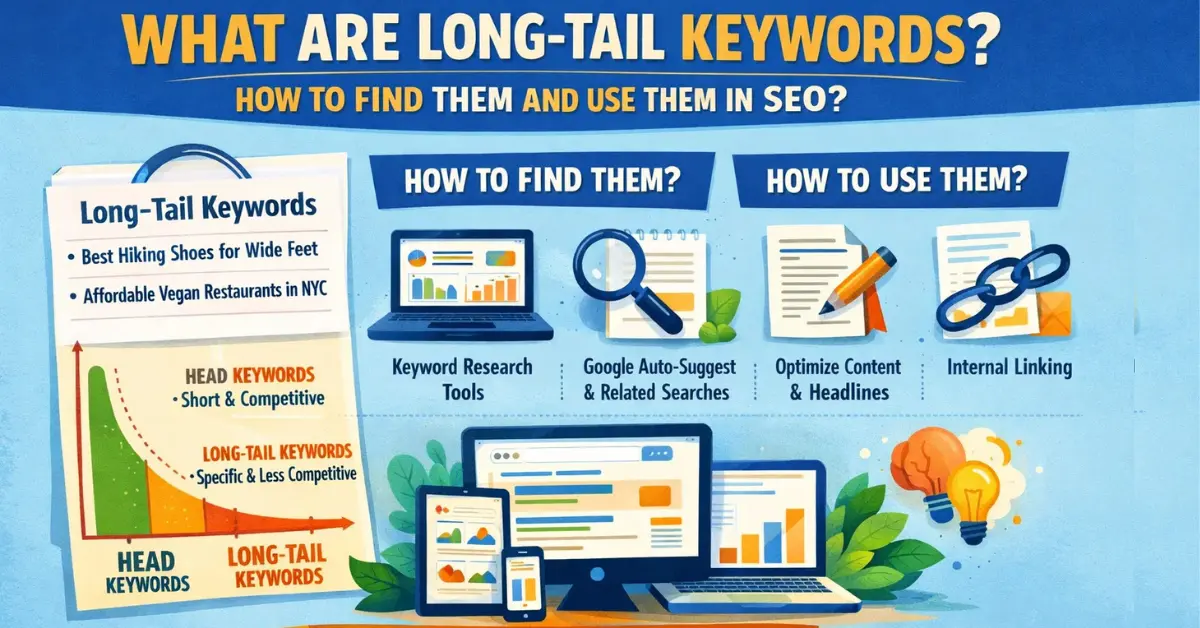
One of the most effective ways to increase organic traffic is by targeting long‑tail keywords — search phrases that are more specific and usually longer than generic terms. Unlike broad keywords such as “SEO” or “marketing”, long‑tail keywords like “best SEO tools for small businesses in 2026” attract highly qualified visitors who are closer to taking action.
Why Long‑Tail Keywords Matter
- Lower Competition: Long‑tail keywords are less competitive, making it easier for new websites to rank.
- Higher Conversion Rates: According to HubSpot, long‑tail keywords account for 70% of all web searches, and users searching with them are more likely to convert.
- Better User Intent Matching: They align closely with what users are actually looking for, improving relevance and engagement.
Example
A bakery website targeting “best vegan bakery in Hyderabad” will attract local, intent‑driven traffic compared to simply targeting “bakery.” This not only boosts organic visibility but also increases conversions.
Best Practices
- Use tools like Google Keyword Planner, SEMrush, or Ahrefs to identify long‑tail opportunities.
- Incorporate keywords naturally into titles, meta descriptions, headers, and content.
- Build content clusters around long‑tail topics to establish topical authority.
Bottom Line: Long‑tail keywords help you compete smarter, attract the right audience, and grow organic traffic sustainably.
2. Create High‑Quality, Evergreen Content
If you want to consistently increase organic traffic, focus on publishing high‑quality, evergreen content — articles, guides, and resources that remain relevant long after they’re published. Unlike trending topics that fade quickly, evergreen content continues to attract visitors, build backlinks, and strengthen your site’s authority over time.
Why Evergreen Content Matters
- Sustainable Traffic: HubSpot reports that evergreen posts generate 38% more traffic over time compared to time‑sensitive content.
- SEO Value: Search engines reward content that consistently satisfies user intent. Evergreen pieces often rank higher because they remain useful.
- Authority Building: Comprehensive, well‑researched guides position your brand as a trusted source.
Examples
- A blog post titled “How to Start a Blog in 2026” will remain relevant for years, attracting beginners searching for guidance.
- A fitness site publishing “10 Best Home Workouts Without Equipment” will continue to drive traffic regardless of trends.
Best Practices
- Use clear structure with headings, FAQs, and lists to improve readability and snippet potential.
- Update evergreen content regularly with fresh statistics and examples.
- Balance informational and transactional intent — educate while subtly guiding readers toward conversions.
Bottom Line: Evergreen content is a long‑term traffic engine. By consistently publishing valuable, timeless resources, you’ll build trust, authority, and steady organic growth.
3. Improve On‑Page SEO
On‑page SEO is one of the most powerful levers for increasing organic traffic because it ensures that search engines can easily understand and index your content. By optimizing elements directly on your website — from titles and meta descriptions to internal links and images — you improve both visibility and user experience.
Why On‑Page SEO Matters
- Search Engine Signals: Google’s algorithms rely heavily on on‑page factors to determine relevance.
- CTR Boost: Well‑written meta descriptions can increase click‑through rates by up to 5.8%, according to Backlinko.
- User Experience: Structured content with clear headings improves readability and dwell time, which are indirect ranking signals.
Key Elements to Optimize
- Title Tags & Meta Descriptions: Include primary keywords naturally and keep titles under 60 characters.
- Header Tags (H1, H2, H3): Organize content logically to help both readers and crawlers.
- Internal Linking: Guide users to related content, distributing link equity across your site.
- Image Optimization: Use descriptive alt text and compress images to improve load speed.
Example
A blog post titled “Best SEO Tools for Small Businesses in 2026” should include the keyword in the title, meta description, and headers, while linking to related posts like “How to Do Keyword Research.”
Bottom Line: Strong on‑page SEO builds relevance, improves rankings, and drives consistent organic traffic.
4. Enhance Technical SEO
Technical SEO is the foundation that ensures search engines can efficiently crawl, index, and rank your website. Without a strong technical setup, even the best content may struggle to gain visibility. By improving site performance, structure, and security, you create a seamless experience for both users and search engines.
Why Technical SEO Matters
- Crawlability & Indexing: Search engines rely on clean site architecture and XML sitemaps to discover pages.
- Speed & Performance: Google’s Core Web Vitals show that faster sites rank higher. Stat: A Deloitte study found that a 0.1s improvement in load time increased conversions by 8%.
- Mobile Optimization: With mobile‑first indexing, responsive design is non‑negotiable.
- Security: HTTPS encryption builds trust and is a confirmed ranking factor.
Best Practices
- Use tools like Google Search Console to identify crawl errors.
- Optimize page speed with image compression, lazy loading, and a content delivery network (CDN).
- Ensure mobile responsiveness with adaptive layouts.
- Implement structured data (schema markup) to improve visibility in rich results.
Example
An e‑commerce site that reduces load time from 5 seconds to 2 seconds can see both higher rankings and improved sales.
Bottom Line: Technical SEO is not optional — it’s the backbone of organic growth and a critical driver of trust and authority.
5. Build High‑Authority Backlinks
Backlinks — links from other websites pointing to yours — remain one of the strongest ranking signals in Google’s algorithm. They act as “votes of confidence,” showing search engines that your content is trustworthy and authoritative. The more high‑quality backlinks you earn, the more likely your site is to rank higher and attract organic traffic.
Why Backlinks Matter
- Authority & Trust: Moz research shows that websites with strong backlink profiles consistently outrank competitors.
- Referral Traffic: Backlinks not only boost SEO but also drive direct visitors from other sites.
- EEAT Alignment: Links from reputable sources (news sites, industry blogs, government domains) reinforce your site’s expertise and trustworthiness.
Best Practices
- Guest Posting: Contribute valuable articles to industry blogs, including natural links back to your site.
- Digital PR: Share original research, infographics, or case studies that journalists and bloggers want to cite.
- Resource Pages: Get listed on “best tools” or “recommended resources” pages in your niche.
Example
If your marketing blog earns a backlink from HubSpot or Forbes, search engines view your content as more credible, boosting rankings and organic traffic.
Bottom Line: Building high‑authority backlinks is not about quantity but quality. Focus on earning links from trusted, relevant sources to strengthen your SEO foundation.
6. Leverage Content Clusters & Topic Authority
Search engines increasingly reward websites that demonstrate topical authority — meaning your site covers a subject comprehensively rather than publishing scattered, unrelated posts. The best way to build this authority is through content clusters: a central pillar page supported by multiple related articles.
Why Content Clusters Matter
- Improved Rankings: HubSpot found that sites using topic clusters saw a 30% increase in organic traffic.
- Better Crawlability: Internal linking between pillar and cluster pages helps search engines understand your site’s structure.
- User Experience: Readers can easily navigate between related posts, increasing dwell time and reducing bounce rates.
Example
Imagine you run a digital marketing blog. Your pillar page could be “Complete Guide to SEO in 2026.” Supporting cluster posts might include “On‑Page SEO Best Practices,” “Technical SEO Checklist,” and “How to Build Backlinks.” Each links back to the pillar page, reinforcing its authority.
Best Practices
- Choose a broad, high‑volume keyword for the pillar page.
- Create cluster posts targeting long‑tail variations.
- Use strategic internal linking to connect clusters with the pillar.
Bottom Line: Content clusters signal expertise and authority, helping your site dominate search results for entire topics, not just single keywords.
7. Repurpose Content Across Formats
One of the smartest ways to increase organic traffic is by repurposing existing content into multiple formats. Instead of letting a blog post sit idle, you can transform it into videos, infographics, podcasts, social media posts, or even downloadable guides. This strategy not only maximizes the reach of your content but also caters to different user preferences and search behaviors.
Why Repurposing Matters
- Extended Reach: Different platforms attract different audiences. A blog post may rank on Google, while a video version can gain traction on YouTube.
- SEO Benefits: Repurposed content creates multiple entry points for organic traffic. For example, an infographic optimized with alt text can rank in Google Images.
- Authority Building: Sharing expertise across formats demonstrates depth and credibility, reinforcing EEAT principles.
Example
A blog post titled “10 Ways to Improve Website Speed” can be repurposed into:
- A YouTube tutorial explaining optimization steps.
- An infographic shared on Pinterest.
- A LinkedIn carousel post highlighting quick tips.
Best Practices
- Always tailor the format to the platform (short videos for TikTok, detailed guides for LinkedIn).
- Optimize each version with keywords, meta tags, and platform‑specific SEO.
- Link back to the original article to consolidate authority.
Bottom Line: Repurposing content multiplies visibility, strengthens authority, and drives organic traffic from diverse channels.
8. Optimize for Featured Snippets & AI Overviews
Featured snippets — the highlighted answers at the top of Google’s search results — and AI‑generated overviews are prime real estate for driving organic traffic. By structuring your content to directly answer user queries, you increase the chances of being selected as the “go‑to” resource. This not only boosts visibility but also positions your brand as an authority.
Why It Matters
- Higher CTR: According to SEMrush, featured snippets can increase click‑through rates by up to 30% compared to standard listings.
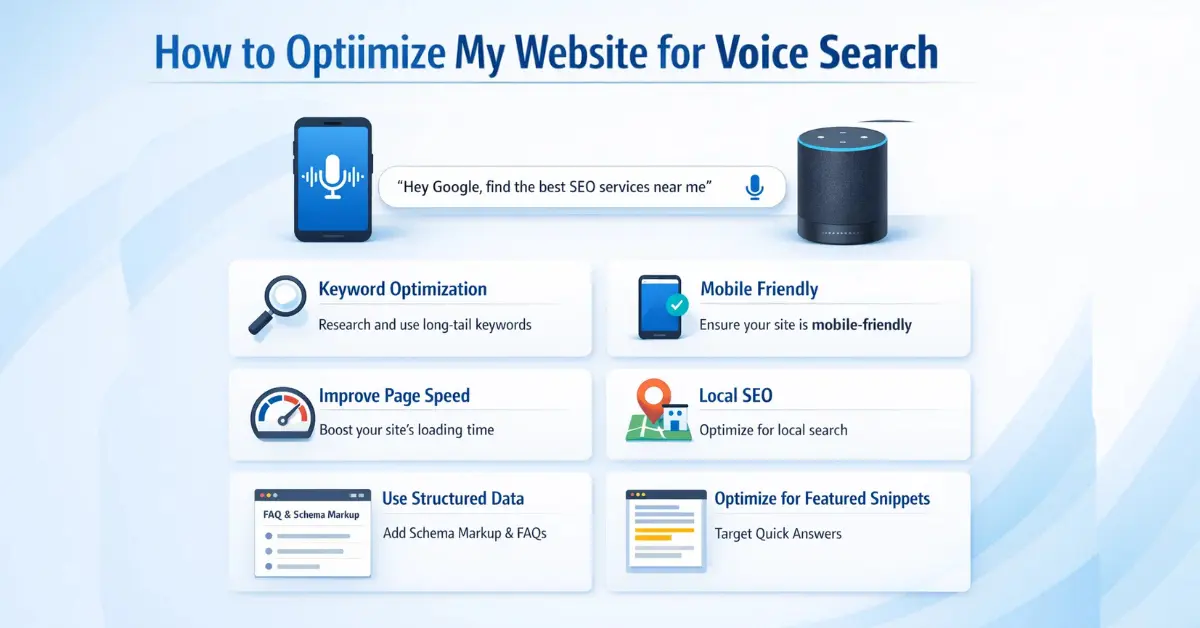
- Voice Search & AI Integration: Snippets often power voice assistants and AI summaries, expanding your reach beyond traditional search.
- Authority Signal: Being chosen for a snippet signals trustworthiness and expertise to both users and search engines.
Best Practices
- Use clear formatting: lists, tables, FAQs, and step‑by‑step instructions.
- Answer questions concisely within the first 40–50 words of a section.
- Include schema markup to help search engines understand your content.
- Regularly update posts with fresh data to maintain snippet eligibility.
Example
A blog post titled “How to Increase Organic Traffic” could include a bulleted list of strategies. Google may then feature that list as a snippet, driving significantly more traffic.
Bottom Line: Structuring content for snippets and AI overviews ensures maximum visibility, authority, and organic traffic growth.
9. Improve User Experience & Engagement
Search engines increasingly prioritize user experience (UX) as a ranking factor. Google’s algorithms measure signals like dwell time, bounce rate, and click‑through rate to determine whether your content satisfies user intent. A website that is easy to navigate, visually appealing, and engaging will not only retain visitors but also attract more organic traffic over time.
Why UX Matters
- SEO Impact: Google’s Core Web Vitals directly evaluate page speed, interactivity, and visual stability.
- Engagement Signals: Longer session durations and lower bounce rates signal relevance, boosting rankings.
- Trust & Authority: A professional, user‑friendly design reinforces credibility and aligns with EEAT principles.
Best Practices
- Improve Navigation: Use clear menus, breadcrumbs, and internal links to guide users.
- Enhance Readability: Break content into short paragraphs, use bullet points, and add visuals.
- Interactive Elements: Quizzes, polls, and calculators increase engagement and dwell time.
- Mobile Optimization: With over 60% of searches happening on mobile, responsive design is essential.
Example
A blog that adds interactive infographics and clear CTAs can see session durations increase by 40%, improving both SEO and conversions.
Bottom Line: Prioritizing user experience ensures visitors stay longer, engage more, and signal to search engines that your site deserves higher rankings.
10. Use Local SEO Strategies
If your business serves a specific geographic area, local SEO is one of the most effective ways to increase organic traffic. By optimizing your website and online presence for local searches, you can attract nearby customers who are actively looking for your products or services.
Why Local SEO Matters
- High Intent Traffic: Google reports that 76% of people who search for something nearby visit a business within a day, and 28% of those searches result in a purchase.
- Visibility in “Near Me” Searches: Local SEO ensures your business appears in Google Maps and local pack results.
- Trust & Authority: A well‑optimized Google Business Profile signals credibility and improves click‑through rates.
Best Practices
- Google Business Profile: Claim and optimize your listing with accurate contact details, business hours, and photos.
- Local Keywords: Target phrases like “best dentist in Hyderabad” or “vegan bakery near me.”
- Customer Reviews: Encourage satisfied clients to leave reviews — positive ratings boost both rankings and trust.
- Local Citations: Ensure consistent NAP (Name, Address, Phone) across directories like Yelp, Justdial, and Yellow Pages.
Example
A local restaurant optimizing for “best biryani in Hanamkonda” can dominate local search results, driving foot traffic and online orders.
Bottom Line: Local SEO connects you directly with nearby customers, turning search visibility into real‑world conversions.
11. Monitor Analytics & Continuously Update Content
Increasing organic traffic isn’t a one‑time effort — it requires ongoing monitoring and optimization. Search engines reward websites that remain fresh, relevant, and aligned with user intent. By tracking performance metrics and updating content regularly, you ensure your site continues to attract visitors and maintain authority.
Why Monitoring & Updating Matters
- SEO Longevity: Google favors updated content. A study by Ahrefs found that refreshed articles can see traffic spikes of up to 111%.
- User Intent Alignment: Analytics reveal what users are searching for, helping you refine keywords and topics.
- EEAT Reinforcement: Updating posts with new statistics, expert quotes, and case studies strengthens credibility and trustworthiness.
Best Practices
- Use Google Analytics to track traffic sources, bounce rates, and session durations.
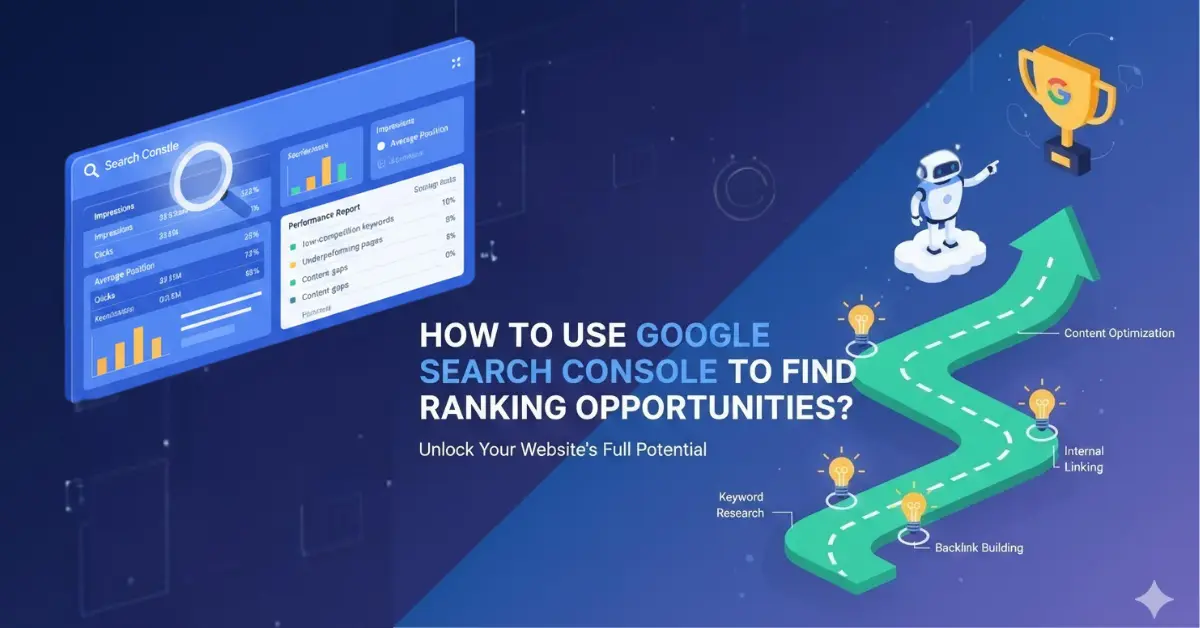
- Leverage Google Search Console to monitor keyword rankings and identify underperforming pages.
- Refresh old content with updated data, new visuals, and improved formatting.
- Add internal links to newer posts to keep content interconnected.
Example
A blog post on “Best SEO Tools” published in 2023 should be updated in 2026 with current tools, pricing, and features. This keeps the article relevant and competitive in search results.
Bottom Line: Continuous monitoring and content updates ensure your site stays authoritative, relevant, and consistently drives organic traffic.
12. Conclusion & Call to Action
Increasing organic traffic is not about chasing quick wins — it’s about building a sustainable, trustworthy digital presence. The 12 strategies we’ve explored — from long‑tail keyword optimization and evergreen content creation to technical SEO, backlinks, and local search — all work together to strengthen your site’s visibility and authority.
Search engines reward websites that consistently demonstrate expertise, authoritativeness, and trustworthiness (EEAT). By publishing high‑quality content, improving user experience, and keeping your site technically sound, you signal to both users and Google that your website deserves to rank. Remember, organic traffic is cumulative: every optimized page, every backlink, and every content update adds momentum to your growth.
The key takeaway is consistency. SEO is not a one‑time project but an ongoing process of monitoring, refining, and adapting to evolving search trends. Brands that commit to these practices see compounding results — more visitors, stronger engagement, and higher conversions.
Call to Action: Start today by auditing your website. Identify one or two strategies from this list that you can implement immediately — whether it’s refreshing old content, improving page speed, or optimizing for local search. Small steps taken consistently will lead to significant organic growth.