If you’ve been in digital marketing long enough, you already know that SEO doesn’t stay still. Google rolls out updates like clockwork, competition keeps getting smarter, and users expect the fastest, most relevant content every single time. With so much happening, having the right SEO tools isn’t just useful—it’s survival.
I’ve been doing SEO for almost a decade now, and I can confidently say this: the tools you choose can genuinely change the results you get. Some save hours of manual work. Some uncover opportunities you never would’ve noticed. And a few feel like magic when you first try them.
So, after years of testing, failing, retrying, and finding what truly works…I’ve put together the 15 best SEO tools every marketer should rely on in 2026.
Let’s dive in.
Why You Need Reliable SEO Tools in 2026
SEO in 2026 feels different. Search intent has become sharper, AI-generated content is everywhere, and Google’s updates are rewarding websites that show authenticity and experience.
You can’t guess your way through SEO anymore.
Here’s what the right tools can help you with:
- Discover keywords you never thought people searched for
- Understand what competitors are actually ranking with
- Track rankings and identify sudden improvements or drops
- Analyze backlinks—both yours and your competitors’
- Improve site speed and user experience
- Create better content, faster
- Make smarter decisions instead of relying on instinct
When I first started, I didn’t know which tools mattered. I wasted a lot of time testing random platforms. Over the years, I’ve figured out exactly which ones deliver real results—especially for new websites.
So here’s the list I wish someone had given me years ago.
15 Best SEO Tools Every Marketer Should Use in 2026
1. SEMrush
SEMrush is the closest thing to a “complete” SEO toolkit. It’s powerful, versatile, and extremely reliable. Whether you’re doing competitor research, content planning, or backlink analysis, SEMrush gives you everything in one dashboard.
Why I Recommend It:
- Keyword research with accurate difficulty scores
- Detailed competitor analysis
- Huge backlink database
- Content templates based on ranking pages
- Technical site audits that actually make sense
The SEMrush API is also becoming popular in 2026—especially for marketers who want automation.
2. Ahrefs
If SEMrush is the brain, Ahrefs is the muscle. Its backlink database is still one of the strongest in the industry.
What Makes It Great:
- Find competitor backlinks instantly
- Discover broken backlinks opportunities (super useful)
- Amazing keyword explorer
- Strong content gap analysis
When I need to understand “why” a site is ranking, Ahrefs usually gives the clearest picture.
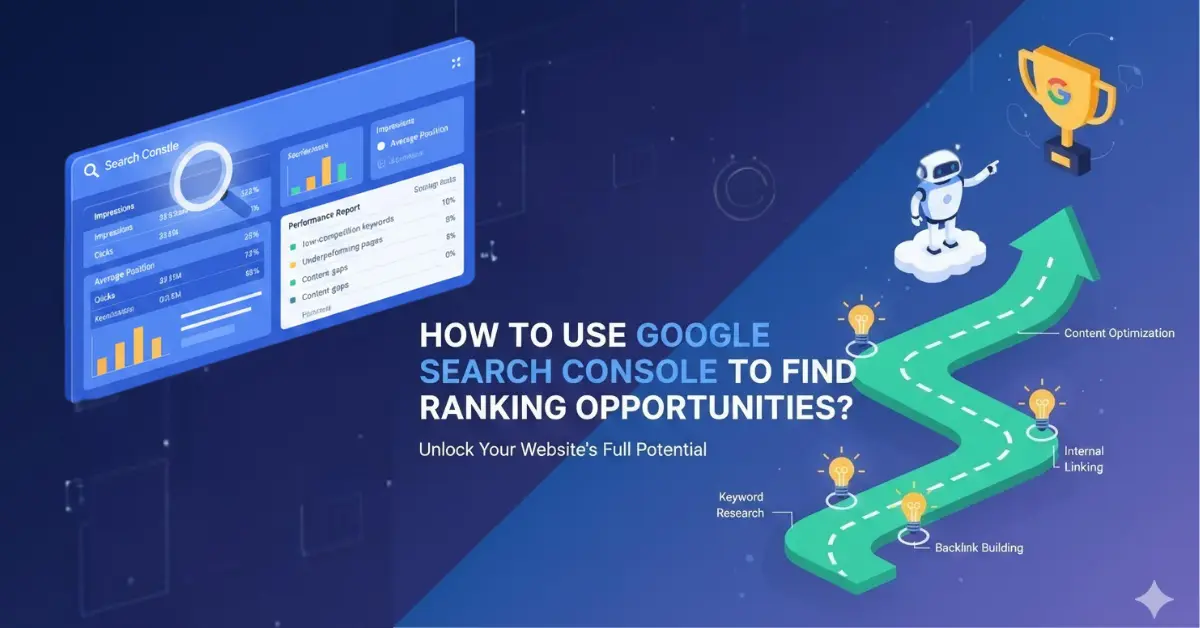
3. Google Search Console
The most underrated tool. And it’s completely free.
If you use it daily, your rankings WILL improve—because it literally shows how Google sees your site.
You Should Use It For:
- Finding keywords you’re already ranking for
- Fixing indexing errors
- Improving your top-performing pages
- Checking site performance
- Understanding how Google crawls your content
Whenever a client asks, “Why am I not ranking?”, I check GSC first.
4. Google Analytics 4 (GA4)
GA4 had a messy start, no doubt. But by 2026, it has matured into one of the most detailed user-behavior tools.
What It Helps With:
- Understanding user journeys
- Finding pages with the highest drop-offs
- Measuring conversion performance
- Tracking traffic sources accurately
GA4 + Search Console = one of the strongest free SEO combinations.
5. Ubersuggest
Neil Patel’s Ubersuggest has come a long way. It’s one of the easiest SEO research tools for beginners, and even experts find it handy for quick lookups.
Why It’s Worth Using:
- Simplified keyword research
- Decent backlink insights
- Site audit with actionable tips
- Competitor keyword breakdown
If you’re looking for a free keyword research tool, Ubersuggest offers several features at no cost.
6. Moz Pro
Moz isn’t as flashy as newer tools, but its Domain Authority metric is still widely used.
Why I Still Use Moz:
- Reliable domain authority checker
- Good for tracking keyword lists
- Strong community and trusted data
- Decent on-page optimization insights
It’s great for marketers who want straightforward information without too many technical layers.
7. Screaming Frog SEO Spider
If you’ve ever done a full site audit manually, you know how painful it is. Screaming Frog fixes that instantly.
What It Does:
- Crawls your entire website
- Shows broken links
- Detects duplicate content
- Helps fix redirects
- Shows missing metadata
When I do technical SEO work, Screaming Frog is almost always running in the background.
8. Surfer SEO
Surfer has become the go-to tool for content optimization.
Why Content Marketers Love It:
- Keyword density suggestions
- NLP-based content scoring
- Competitor content breakdown
- Topic clusters and content planner
Used correctly, Surfer can increase your content rankability without feeling robotic.
9. Jasper AI
AI content tools exploded in 2025, and by 2026, Jasper is still one of the top AI SEO tools.
Of course, AI shouldn’t replace human writing (Google makes this clear). But it can speed up the process.
What It Helps With:
- Outline creation
- Idea generation
- Writing support for long articles
- Improving titles, intros, and meta descriptions
I use AI like a co-writer—not a replacement.
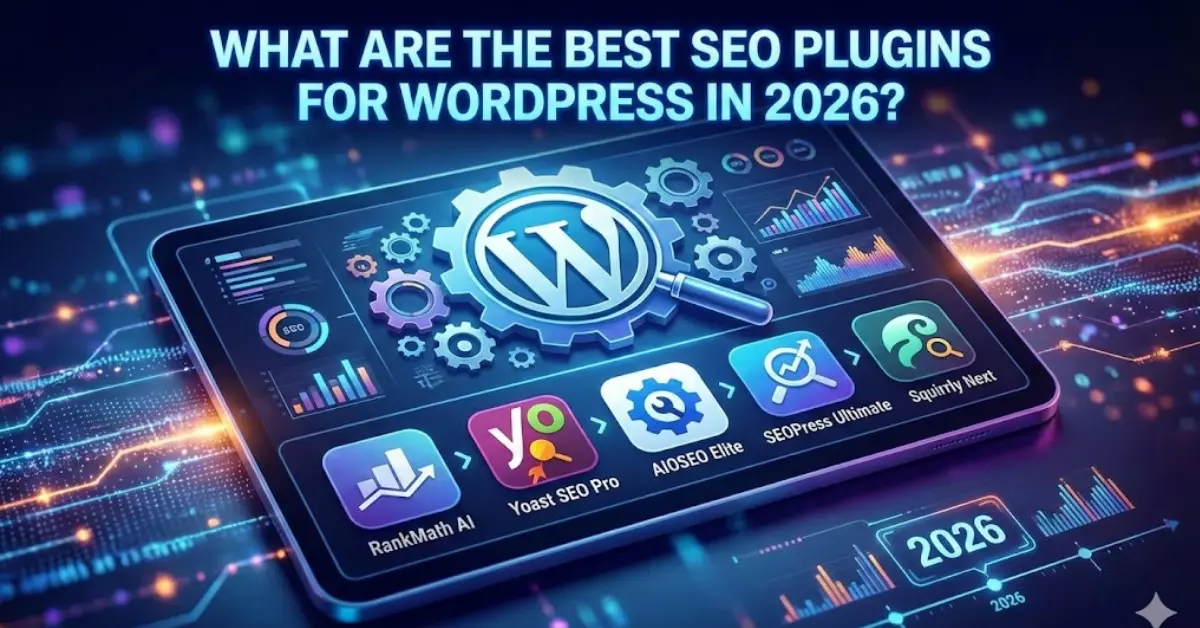
10. Rank Math (WordPress Plugin)
If your site runs on WordPress, Rank Math is essential.
What I Like:
- Easy to optimize each post
- Schema generator
- Internal link suggestions
- 404 and redirection manager
It’s cleaner and more modern than Yoast in my opinion.
11. Yoast SEO
Even though Rank Math has taken the spotlight, Yoast still has a strong presence.
Why It’s Still Useful:
- Beginner-friendly
- Focus keyword optimization
- Readability scoring
- XML sitemap generator
Many bloggers still trust Yoast more simply because they’ve used it for years.
12. AnswerThePublic
This is one of the best tools for brainstorming content ideas.
What I Use It For:
- Finding questions people ask
- Generating topic ideas for blogs
- Understanding user intent
- Building FAQ sections
Whenever I’m stuck for content ideas, AnswerThePublic saves the day.
13. GTmetrix
Speed is a ranking factor, and GTmetrix remains one of the best site performance analysis tools.
What It Shows:
- Core Web Vitals
- Page loading issues
- Server delays
- Image optimization suggestions
Whenever a client asks “Why is my site slow?”, GTmetrix usually has the answer.
14. PageSpeed Insights
This is Google’s own performance tool, and it gives insights directly from the source.
Why It Matters:
- Real-world performance data
- Core Web Vitals
- Mobile usability
- Suggestions to improve load speed
A website that scores 85+ usually sees ranking improvements over time.
15. Keyword Planner
Google’s google keyword research tool isn’t perfect, but it remains a must-use tool for validating keyword volume.
What It Helps With:
- Real search volume
- Related keyword ideas
- Insights into user demand
- Ad-based keyword value
I often use Keyword Planner to verify keyword volumes I find on SEMrush or Ahrefs.
Simple Comparison Table
Just to make things clearer, here’s a quick breakdown:
| Tool | Best For | Free Version |
| SEMrush | All-in-one SEO | Limited |
| Ahrefs | Backlinks | Limited |
| Ubersuggest | Budget SEO | Yes |
| Moz | Domain authority | Yes |
| Screaming Frog | Technical audits | Yes (500 URLs) |
| Surfer SEO | Content optimization | No |
| Rank Math | WordPress SEO | Yes |
| AnswerThePublic | Topic ideas | Yes |
| GTmetrix | Site speed | Yes |
| Keyword Planner | Volume checks | Yes |
People Also Ask
1. How do I choose the best SEO tools for my business?
Choose tools based on your goals. If you need keyword research, SEMrush or Ahrefs is better. If you need content optimization, Surfer SEO is enough. For technical audits, Screaming Frog works great.
2. Are free SEO tools reliable?
Yes—tools like Keyword Planner, Search Console, and Ubersuggest give reliable insights. For new sites, these free SEO tools are more than enough.
3. Which tool is best for keyword research in 2026?
SEMrush and Ahrefs remain unmatched in keyword data, but Ubersuggest is great as a free keyword research tool.
4. Do SEO tools guarantee higher rankings?
No tool can guarantee rankings, but the right tools help you make better decisions, which leads to better results.
Final Thoughts: Which Tools Should You Actually Use?
You don’t need all 15 tools.
Most marketers use 5–6 consistently.
If you’re a beginner:
- Ubersuggest
- Search Console
- Keyword Planner
- Rank Math
If you’re an experienced SEO:
- SEMrush
- Ahrefs
- Screaming Frog
- Surfer SEO
- GA4
If you manage multiple websites:
- SEMrush
- Jasper AI
- Moz
- GTmetrix
Choose tools based on what stage you’re in.
Over the years, the biggest lesson I’ve learned is this: Tools help, but your strategy matters more.
Use these tools to guide your decisions—not control them.
FAQs
1. What are the best SEO tools for beginners in 2026?
Beginners should start with Search Console, Keyword Planner, Ubersuggest, and Rank Math. They’re easy, reliable, and mostly free.
2. Which tool is best for checking domain authority?
Moz is the most trusted domain authority checker, and the DA score is widely accepted in the SEO industry.
3. Can I rely on free SEO tools for a new website?
Yes. For the first few months, free SEO tools are enough to find keywords, track rankings, and analyze performance.
4. What is the most accurate keyword research tool?
In my experience, SEMrush and Ahrefs consistently provide the most accurate keyword data.
5. Which tool helps optimize content quickly?
Surfer SEO is ideal for content optimization because it analyzes top-ranking pages and gives clear recommendations.
6. Are AI SEO tools useful for marketers?
They help save time, generate ideas, and improve content flow. But human editing is still essential.
7. Do I need both SEMrush and Ahrefs?
Not necessarily. Most marketers use one. SEMrush is better for all-in-one SEO; Ahrefs is stronger in backlinks.
8. What’s the best tool for technical SEO audits?
Screaming Frog is one of the fastest and most accurate tools for scanning large websites and identifying issues.