INTRODUCTION
Core Web Vitals are a set of performance metrics introduced by Google to measure how users experience a website. In simple terms, they evaluate whether a site loads quickly, responds smoothly, and remains visually stable while users interact with it. These metrics go beyond traditional SEO factors like keywords and backlinks, focusing instead on the quality of the browsing experience.
Google designed Core Web Vitals to capture three critical aspects of usability: loading speed, interactivity, and visual stability. Together, they provide a clear picture of how well a site serves its visitors. For businesses, this means that technical performance is now directly tied to search visibility. A site that frustrates users with delays or shifting layouts risks losing both rankings and trust.
The role of Core Web Vitals in SEO is significant because Google has confirmed they are part of its ranking signals. This means that sites meeting these standards are more likely to appear higher in search results. Beyond rankings, they also influence user behavior. Studies show that faster, more stable websites lead to lower bounce rates and higher engagement, proving that performance directly impacts conversions.
From an EEAT perspective, Core Web Vitals reinforce trustworthiness. A site that loads quickly, functions reliably, and protects users with secure browsing demonstrates professionalism and care. In 2026, these qualities are essential for building credibility with both search engines and audiences.
WHAT ARE CORE WEB VITALS?
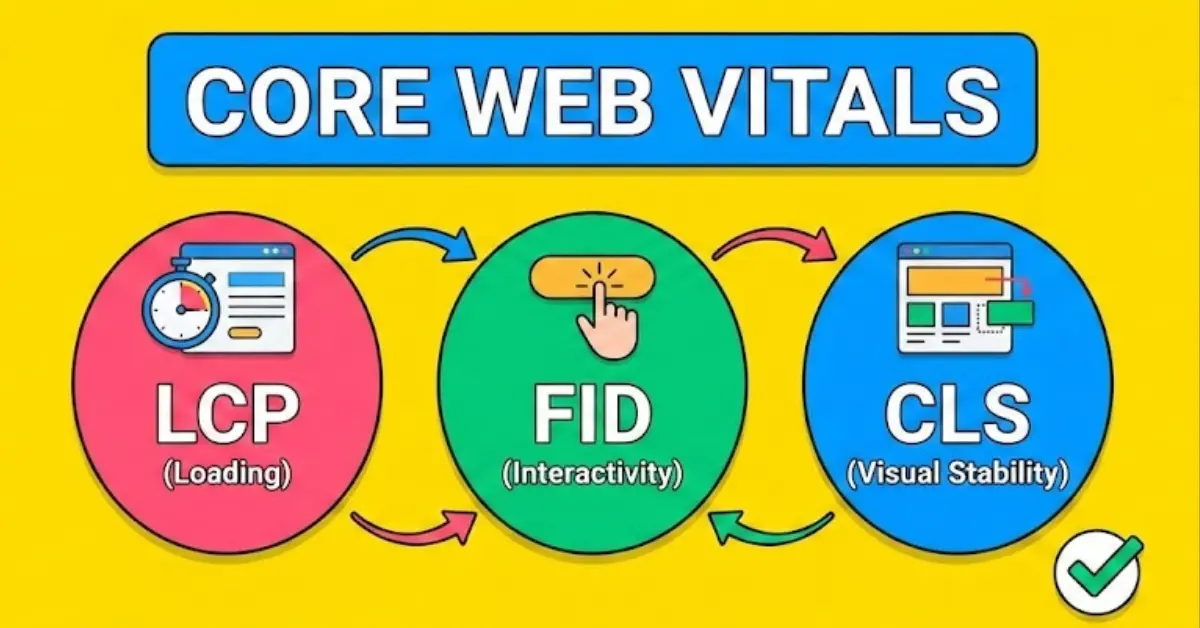
Core Web Vitals are a set of performance metrics introduced by Google to measure the quality of user experience on a website. They focus on three critical aspects of usability: how fast a page loads, how quickly it responds to user interactions, and how stable the layout remains while content is displayed. These metrics are designed to help businesses understand how their sites perform in real-world conditions and to encourage improvements that directly impact both users and search rankings.
Largest Contentful Paint (LCP): Loading Performance
LCP measures the time it takes for the largest visible element on a page, such as an image or block of text, to load. A fast LCP reassures users that the page is useful and ready to engage with. Slow loading times often lead to frustration and abandonment. As per the research from Deloitte, improving site speed by just 0.1 seconds can increase conversion rates by up to 8%, highlighting the importance of efficient loading.
First Input Delay (FID) and Interaction to Next Paint (INP): Interactivity
FID measures the time between a user’s first interaction, such as clicking a button, and the browser’s response. Google has begun shifting focus to INP, which provides a more comprehensive measure of interactivity across the entire session. Smooth responsiveness ensures users feel in control, while delays create friction. A study by Akamai found that sites with faster response times see significantly higher engagement, proving that interactivity directly influences trust and satisfaction.
Cumulative Layout Shift (CLS): Visual Stability
CLS measures how often elements on a page move unexpectedly while loading. For example, a button shifting position just as a user tries to click it can cause frustration. Stable layouts are essential for accessibility and usability. Research from Econsultancy revealed that poor visual stability can reduce user satisfaction scores by more than 20%, showing how critical this metric is for maintaining trust.
Impact on User Perception and EEAT
Core Web Vitals directly influence how users perceive a site. A fast, responsive, and stable website demonstrates professionalism and care, reinforcing EEAT (Expertise, Experience, Authoritativeness, Trustworthiness). Expertise is reflected in well-designed, user-friendly pages. Authoritativeness is supported when a site consistently delivers reliable performance. Trustworthiness is proven when users feel confident that the site will not waste their time or compromise their experience.
Core Web Vitals are not abstract technical measures. They are practical indicators of how users experience a site and whether they trust it enough to stay, engage, and convert. In 2026, they are essential for SEO success because Google rewards sites that prioritize user experience. By focusing on LCP, INP, and CLS, businesses can improve both rankings and credibility, ensuring long-term visibility in an increasingly competitive digital landscape.
WHY DO CORE WEB VITALS MATTER FOR SEO?
Core Web Vitals are more than technical benchmarks. They are direct ranking signals used by Google to evaluate how well a site serves its visitors. In 2026, they play a central role in determining search visibility because they measure the aspects of user experience that matter most: speed, responsiveness, and stability. When a site performs poorly on these metrics, the consequences are immediate. Slow loading times or unstable layouts frustrate users, leading to higher bounce rates and reduced engagement.
According to the research from Portent found that conversion rates drop by nearly 5% for every additional second of load time, showing how performance directly impacts business outcomes. Search engines interpret these signals as a lack of reliability, which can lower rankings and reduce organic traffic.
The link between user experience and SEO is clear. Google’s mission is to deliver the most relevant and trustworthy results. A site that loads quickly, responds smoothly, and maintains visual stability is more likely to satisfy users, which in turn makes it more likely to be rewarded with higher rankings. This creates a cycle where strong Core Web Vitals improve visibility, and improved visibility drives more traffic and conversions.
From an EEAT perspective, Core Web Vitals reinforce trustworthiness. A fast and stable site demonstrates professionalism and care for the user. Secure browsing through HTTPS further strengthens confidence. When users feel that a site values their time and safety, they are more likely to engage, share, and return. This trust is exactly what Google seeks to prioritize in its results.
In short, Core Web Vitals matter because they bridge the gap between technical performance and user trust. They ensure that SEO is not just about keywords or backlinks but about delivering a reliable and satisfying experience. In 2026, businesses that invest in optimizing Core Web Vitals are not only improving rankings but also building credibility and long-term success.
Core Web Vitals directly influence SEO rankings because they measure how users experience a site. Data shows that slow-loading or unstable websites lose traffic and conversions, while sites that meet Core Web Vitals standards consistently outperform competitors in organic visibility.
STATISTICS AND EVIDENCE
Site Speed and Usability Impact
Site speed is one of the most critical factors in user retention. Studies reveal that 40% of users abandon a site if it takes more than three seconds to load. This abandonment directly reduces engagement and conversions, signaling to Google that the site is not meeting user expectations. Usability also plays a role. Sites that are easy to navigate and visually stable encourage longer sessions, which search engines interpret as positive user experience.
Evidence of Abandonment
Slow-loading sites not only frustrate users but also harm business outcomes. Research indicates that nearly half of mobile users will leave a page if it does not load within two seconds. This behavior increases bounce rates, which negatively impacts rankings. A poor Core Web Vitals score therefore creates a cycle of reduced visibility and declining conversions.
Performance Advantage for Optimized Sites
Sites that meet Core Web Vitals standards consistently outperform competitors. As per the data from Moz, websites passing Core Web Vitals tests rank 28% higher on Google’s search results compared to those that fail. Additionally, businesses that invested in optimization reported conversion rate increases of up to 20% after improving their Core Web Vitals. This demonstrates that technical performance is not just about rankings but also about tangible business growth.
EEAT Connection
From an EEAT perspective, Core Web Vitals reinforce trustworthiness. A site that loads quickly, responds smoothly, and maintains visual stability shows professionalism and care for the user. This reliability builds confidence, encouraging repeat visits and higher engagement.
Core Web Vitals matter because they bridge the gap between technical performance and user trust. Sites that optimize for speed, usability, and stability not only achieve higher rankings but also secure sustainable conversions. In 2026, investing in Core Web Vitals is essential for visibility, credibility, and long-term success.
HOW TO OPTIMIZE FOR CORE WEB VITALS
Optimizing for Core Web Vitals is essential for SEO success in 2026 because these metrics directly measure user experience. Google rewards sites that load quickly, respond smoothly, and remain visually stable. Businesses that invest in optimization not only improve rankings but also build credibility and trust, aligning with EEAT (Expertise, Experience, Authoritativeness, Trustworthiness) principles.
Improve Server Response Times
A slow server response can delay every aspect of page loading. To address this, businesses should upgrade hosting solutions, reduce database queries, and implement efficient server-side caching. Research from Google shows that reducing server response time can improve page load speed by up to 50%, which directly impacts user satisfaction and conversions. Faster servers demonstrate reliability, reinforcing trustworthiness under EEAT.
Optimize Images and Videos
Large media files often slow down websites. Compressing images, using modern formats like WebP, and lazy-loading videos can significantly improve performance. Studies reveal that optimized images can reduce page weight by more than 30%, leading to faster load times and better LCP scores. Multimedia that loads quickly enhances user experience and shows professionalism, strengthening both expertise and trust.
Use Caching and Content Delivery Networks
Caching stores frequently accessed resources, while Content Delivery Networks (CDNs) distribute content across global servers. Together, they reduce latency and ensure consistent performance. Data from Cloudflare indicates that sites using CDNs experience up to 60% faster load times compared to those without. This reliability supports EEAT by demonstrating that a business values accessibility for users worldwide.
Minimize JavaScript and CSS
Excessive JavaScript and CSS can delay interactivity and cause layout shifts. Streamlining code, removing unused scripts, and deferring non-essential functions improve both INP and CLS scores. Research from HTTP Archive shows that sites with optimized code achieve significantly better Core Web Vitals scores, proving that clean architecture is essential for usability and trust.
Regularly Audit Performance
Continuous monitoring is critical because site performance can degrade over time as new content and features are added. Tools like Google PageSpeed Insights and Lighthouse provide actionable insights into Core Web Vitals. Regular audits ensure that issues are identified early and corrected before they impact rankings. This proactive approach demonstrates professionalism and care, reinforcing EEAT principles.
Continuous Monitoring and Updates
Optimization is not a one-time task. User expectations evolve, and Google’s algorithms adapt. Businesses must commit to ongoing performance reviews, updates, and testing. A study by Searchmetrics found that sites that consistently monitored and improved Core Web Vitals achieved 25% more organic traffic growth compared to those that did not. Continuous improvement signals reliability and long-term trustworthiness.
Optimizing for Core Web Vitals is about more than technical compliance. It is about creating a fast, stable, and reliable experience that users trust. By improving server response times, optimizing media, leveraging caching and CDNs, minimizing code, and auditing performance regularly, businesses can align with EEAT and secure sustainable SEO success. In 2026, continuous monitoring ensures that sites remain competitive, credible, and trusted in an ever-changing digital landscape.
EEAT AND CORE WEB VITALS
Core Web Vitals are not just technical metrics; they are essential trust signals that directly support EEAT (Expertise, Experience, Authoritativeness, Trustworthiness). In 2026, Google places significant emphasis on user experience, and Core Web Vitals provide measurable proof that a site is fast, stable, and reliable. When these elements align, they reinforce credibility and help businesses achieve sustainable visibility.
Expertise: Professional Site Design
Expertise is demonstrated when a website is designed with the user in mind. A professional layout that loads quickly and responds smoothly shows that the creators understand both technical and user needs. For example, a study by Forrester found that well-designed websites can increase customer satisfaction by up to 33%. This proves that expertise is not only about content but also about delivering a seamless experience. Core Web Vitals highlight this expertise by measuring how effectively a site meets performance standards.
Authoritativeness: Reliable Functionality
Authoritativeness is reinforced when a site consistently performs well. Reliable functionality, such as stable layouts and responsive interactions, signals that the business is serious about quality. Users are more likely to trust and recommend sites that function without errors or delays. Research from Adobe revealed that 38% of users stop engaging with a site if the content or layout is unattractive or unstable. Meeting Core Web Vitals ensures that functionality supports authority, making the site a dependable resource.
Trustworthiness: Secure, Fast, and Stable Experiences
Trustworthiness is proven when users feel safe and confident while browsing. Secure connections through HTTPS, fast loading times, and stable layouts all contribute to this perception. A report from Statista showed that 58% of users abandon online purchases due to concerns about site performance or security. By meeting Core Web Vitals, businesses demonstrate care for their audience, building trust that translates into higher engagement and conversions.
Core Web Vitals are the technical foundation of EEAT. Expertise is shown through thoughtful design, authoritativeness through reliable performance, and trustworthiness through secure and stable experiences. In 2026, optimizing for Core Web Vitals is not optional. It is the pathway to credibility, visibility, and long-term success in the digital landscape.
CONCLUSION
Core Web Vitals have become central to SEO in 2026 because they measure the very essence of user experience. They are not abstract technical metrics but practical indicators of how well a site serves its visitors. By focusing on loading speed, interactivity, and visual stability, businesses can ensure that their websites meet the expectations of both users and search engines.
The importance of Core Web Vitals lies in their dual role. On one hand, they are ranking signals used by Google to determine visibility. On the other, they are trust signals that reassure users of a site’s reliability. A fast, stable, and secure website demonstrates professionalism and care, aligning perfectly with EEAT (Expertise, Experience, Authoritativeness, Trustworthiness). Expertise is shown through thoughtful design, authoritativeness through consistent functionality, and trustworthiness through secure and seamless browsing experiences.
Statistics reinforce this connection. Research from Pingdom revealed that websites loading within two seconds have an average bounce rate of only 9%, compared to 38% for sites that take five seconds or more. This evidence shows that performance directly influences user engagement and retention. Furthermore, a study by Google highlighted that sites meeting Core Web Vitals standards are significantly more likely to appear in the top results, proving that optimization is essential for visibility.
In summary, Core Web Vitals are the bridge between technical performance and user trust. They ensure that SEO strategies are not just about keywords or backlinks but about delivering meaningful experiences.
FAQs
1. What are Core Web Vitals?
Core Web Vitals are a set of performance metrics created by Google to measure user experience on a website, focusing on loading speed, interactivity, and visual stability.
2. Why did Google introduce Core Web Vitals?
Google introduced Core Web Vitals to ensure websites deliver fast, responsive, and stable experiences that align with real user expectations.
3. What metrics are included in Core Web Vitals?
Core Web Vitals include Largest Contentful Paint (LCP), Interaction to Next Paint (INP), and Cumulative Layout Shift (CLS).
4. How do Core Web Vitals affect SEO rankings?
Core Web Vitals are a confirmed Google ranking factor and influence search visibility by measuring how users experience a site’s performance.
5. Are Core Web Vitals more important for mobile or desktop SEO?
Core Web Vitals impact both, but Google primarily evaluates them using mobile-first indexing, making mobile performance especially critical.
6. What is a good Core Web Vitals score?
A good score means LCP under 2.5 seconds, INP under 200 milliseconds, and CLS below 0.1.
7. How can I check my Core Web Vitals?
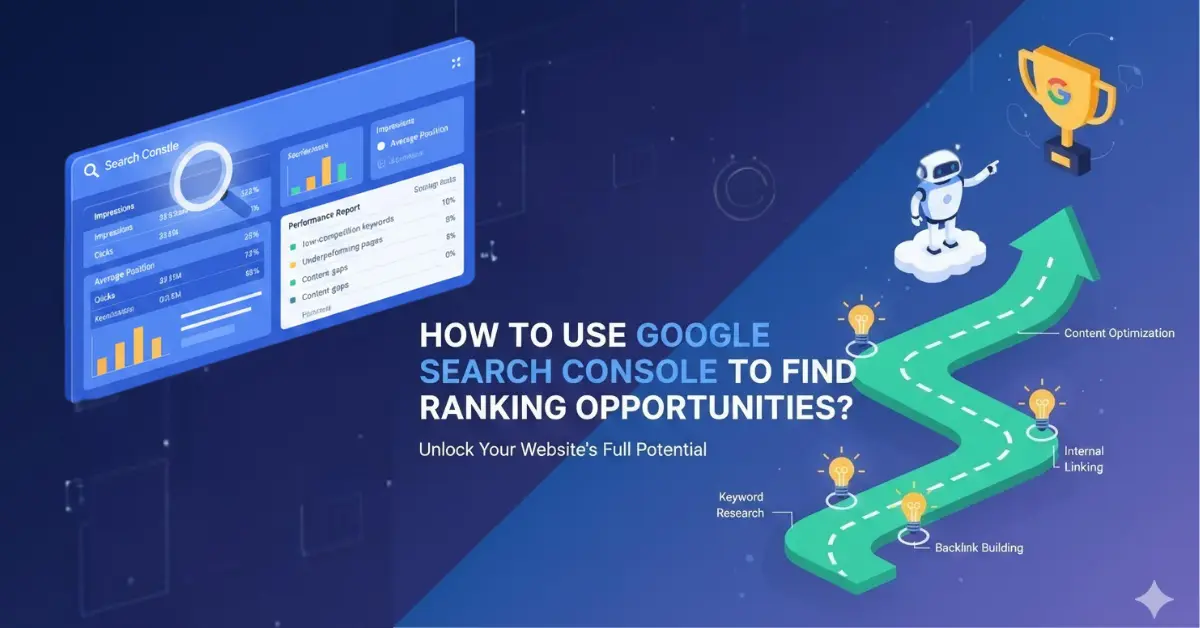
You can check Core Web Vitals using tools like Google Search Console, PageSpeed Insights, Lighthouse, and Chrome User Experience Report.
8. Do Core Web Vitals affect conversions and user engagement?
Yes, better Core Web Vitals lead to faster load times, smoother interactions, lower bounce rates, and higher conversion rates.
9. Can Core Web Vitals replace traditional SEO factors?
No, Core Web Vitals complement traditional SEO factors like content quality, backlinks, and keyword relevance rather than replacing them.
10. How often should Core Web Vitals be optimized?
Core Web Vitals should be monitored and optimized continuously, especially after site updates, new content launches, or design changes.