INTRODUCTION
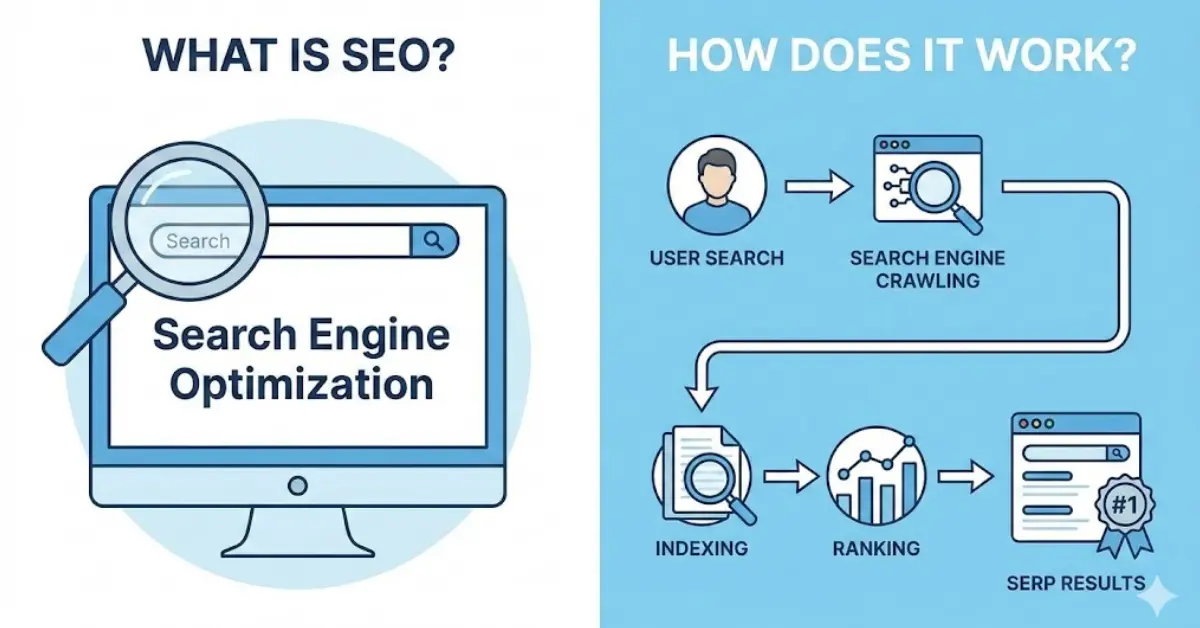
Search Engine Optimization or SEO is the practice of improving a website so that it ranks higher in search engine results and attracts more visitors through organic traffic, those clicks that come naturally, without paying for ads. At its core, SEO is about making your content discoverable, trustworthy, and relevant to the people searching for it. In simple terms, it’s the process of ensuring that when someone types a query into search engines such as Google and Bing, your site appears as a credible answer.
The importance of SEO lies in its ability to drive visibility and build long-term digital success. Unlike paid advertising, which stops delivering once the budget runs out, organic traffic reflects genuine user intent. Studies consistently show its dominance as BrightEdge reports that organic search drives 53% of all website traffic, making it the single largest contributor to online visibility. This means that businesses investing in SEO are not just chasing clicks as they are building credibility, authority, and trust with their audiences.
In 2026, SEO is more dynamic than ever. Search engines are no longer just matching keywords as they are interpreting user intent, evaluating trust signals, and leveraging AI-driven search experiences like Google’s Search Generative Experience (SGE). Success now depends on aligning with EEAT (Expertise, Experience, Authoritativeness, Trustworthiness), ensuring that content is accurate, transparent, and authored by credible voices.
SEO in 2026 blends AI, user intent, and trust signals into a holistic strategy. Businesses that adapt to these evolving standards will not only recover lost traffic but also secure sustainable growth. The journey begins with understanding what SEO truly is and how it works in today’s fast-changing digital landscape.
HOW SEO WORKS IN 2026
Search Engine Optimization in the modern era is no longer just about keywords and backlinks. It has evolved into a sophisticated ecosystem where AI, user intent, and trust signals drive visibility. Businesses that understand these dynamics and align with Google’s emphasis on EEAT (Expertise, Experience, Authoritativeness, Trustworthiness) are the ones thriving in organic search. Let’s break down the key components shaping SEO today.
Search Generative Experience (SGE)
Google’s Search Generative Experience (SGE) is reshaping how results appear. Instead of simply listing links, SGE uses AI to synthesize information from multiple sources, often highlighting authoritative content directly within search summaries. This means that sites demonstrating EEAT are more likely to be surfaced.
According to Google’s own reports, SGE aims to provide faster, more reliable answers, rewarding content that is comprehensive and trustworthy. Businesses must ensure their content is structured, well-cited, and expert-driven to be included in these AI-powered results.
EEAT as a Ranking Pillar
EEAT has become the backbone of SEO. Expertise ensures content is created or reviewed by qualified professionals, experience highlights real-world insights, authoritativeness signals recognition from peers and reputable sources and trustworthiness reflects transparency and security. A Search Engine Journal survey found that 72% of users trust content more when expert credentials are visible, proving EEAT’s direct impact on user behavior. In 2026, Google’s algorithms weigh these signals heavily, making EEAT compliance essential for ranking.
Semantic & Voice Search
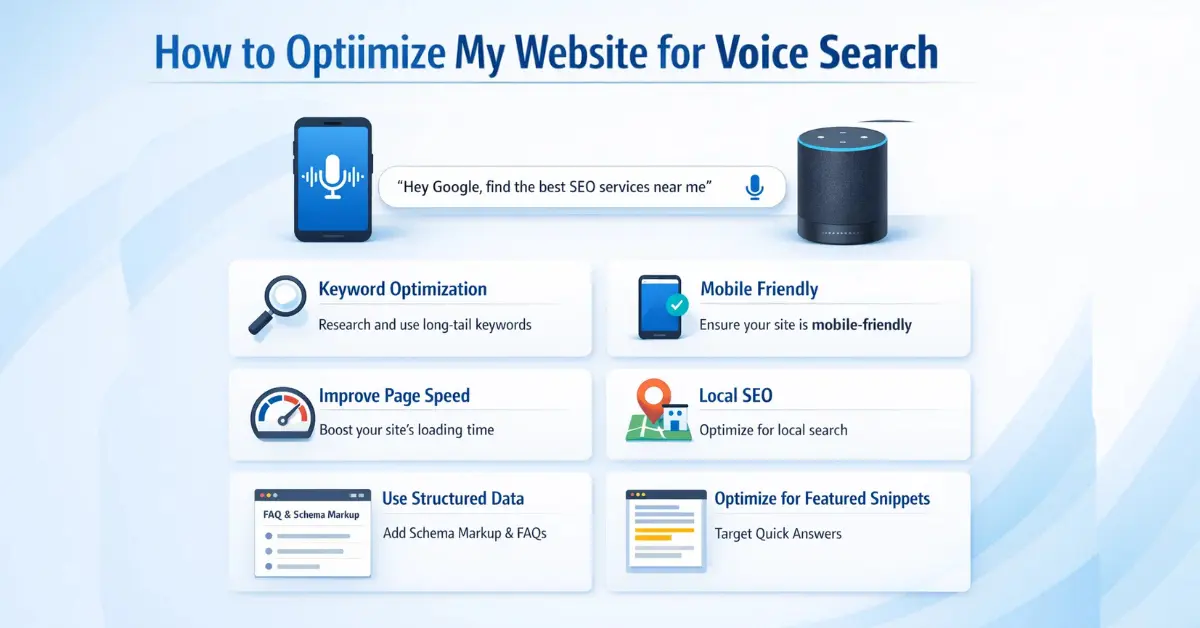
Voice assistants and AI-driven search have made queries more conversational. Instead of typing “best vegan cake,” users now ask, “What’s the easiest vegan cake recipe I can make at home?” According to PwC, 71% of consumers prefer voice search for convenience, showing its widespread adoption. Semantic search interprets context and intent, rewarding content that answers questions naturally. Businesses must optimize for conversational keywords, FAQs, and structured data to remain visible in this new search landscape.
Mobile-First & UX Signals
Mobile-first indexing means Google evaluates the mobile version of a site as the primary source. With over 60% of searches now occurring on mobile devices, responsiveness is critical. User experience (UX) signals such as dwell time, bounce rate, and navigation ease that directly influence rankings. According to Forrester research, a well-designed UX can increase conversion rates by up to 400%, proving its business impact. Sites that prioritize accessibility, speed, and intuitive design not only rank higher but also build trust with users.
Technical SEO
Technical SEO remains the foundation of visibility. Google’s Core Web Vitals as measuring loading speed, interactivity, and visual stability are central ranking factors. Structured data (schema markup) helps Google interpret content and display rich results, while crawlability ensures search engines can index pages effectively.
Google research highlights that 53% of mobile users abandon sites that take longer than 3 seconds to load, making speed optimization essential. Secure browsing (HTTPS) and error-free architecture also reinforce trustworthiness, aligning with EEAT.
Content Quality
Finally, content quality is the ultimate differentiator. Google rewards depth, originality, and freshness. As per backlinko, long-form content generates 77% more backlinks than short posts, proving its role in authority building. Businesses must refresh outdated articles, add new insights, and provide comprehensive coverage of topics.
EEAT-driven content as authored by experts, citing credible sources, and offering actionable value builds trust and sustains rankings. In a saturated digital space, originality and credibility are what set successful sites apart.
In 2026, SEO is a dynamic blend of AI-driven search, EEAT compliance, conversational optimization, mobile-first design, technical precision, and high-quality content. Businesses that adapt to these evolving standards not only recover lost traffic but also secure sustainable growth. SEO today is about trust, relevance, and adaptability and these work as the pillars of long-term digital success.
KEY COMPONENTS OF SEO IN 2026
Search Engine Optimization in 2026 is a multi-layered discipline that blends technical precision, content excellence, and user trust. Google’s algorithms now prioritize EEAT (Expertise, Experience, Authoritativeness, Trustworthiness), making credibility and usability as important as keywords. Let’s explore the five key components driving SEO success today.
On-Page SEO
On-page SEO remains the foundation of visibility. It involves optimizing keywords, headings, multimedia, and structured content to align with user intent. In 2026, keyword use is less about density and more about context. Semantic search ensures Google understands meaning, not just exact matches.
Multimedia elements such as images, videos, and infographics enrich engagement, while structured content with schema markup helps Google interpret relevance. According to HubSpot, optimized on-page content can increase organic traffic by up to 55%, proving its impact. EEAT ties in here: authoritative sources, expert authorship, and transparent citations elevate trust and rankings.
Off-Page SEO
Off-page SEO builds credibility beyond your website. Backlinks remain a top ranking factor, but quality outweighs quantity. Moz confirms that backlinks are among the top three ranking signals, yet spammy links can harm visibility. Digital PR, guest posting, and brand mentions strengthen authority.
Social signals and reputation management also matter, as Google increasingly considers brand trust. EEAT reinforces this: authoritative backlinks demonstrate recognition from peers, boosting credibility. A strong off-page strategy ensures your site is seen as a trusted voice in its niche.
Technical SEO
Technical SEO ensures search engines can crawl, index, and evaluate your site effectively. Core Web Vitals are critical. Google research shows that 53% of mobile users abandon sites that take longer than 3 seconds to load, making speed optimization essential. Mobile-first indexing means responsive design is non-negotiable.
Schema markup enhances visibility in rich results, while secure browsing (HTTPS) signals trustworthiness. EEAT is reinforced through technical reliability: a site that loads quickly, functions smoothly, and protects users demonstrates professionalism and credibility.
Content Strategy
Content remains king, but quality is the crown. Long-form, updated, expert-driven resources dominate rankings. In 2026, freshness is vital as outdated content quickly loses visibility. EEAT demands that content be authored or reviewed by experts, cite credible sources, and provide actionable insights. Case studies, original research, and comprehensive guides stand out in saturated niches. A strong content strategy ensures your site not only ranks but also earns user trust and loyalty.
User Experience
User experience (UX) is now a ranking signal. Google evaluates engagement metrics like dwell time, bounce rate, and navigation ease. Clear navigation, accessibility features, and engaging design reduce friction and build trust. EEAT ties into UX because trustworthy sites prioritize usability and inclusivity.
Mobile optimization, fast load times, and intuitive layouts ensure users stay longer and interact more. In 2026, UX is not just about aesthetics, it’s about credibility, engagement, and sustainable organic growth.
SEO in 2026 is holistic: on-page precision, off-page authority, technical reliability, content excellence, and user-focused design all work together. Businesses that embrace EEAT across these components not only recover lost traffic but also build sustainable visibility and trust. SEO today is about more than rankings and it’s about credibility, adaptability, and long-term success.
WHY SEO MATTERS MORE THAN EVER
In 2026, the importance of Search Engine Optimization (SEO) has reached new heights. With rising advertising costs and evolving search algorithms, businesses are realizing that organic strategies are not just cost-effective but also essential for building credibility and long-term success.
Rising Ad Costs Make Organic Strategies More Sustainable
Paid advertising can deliver quick visibility, but it comes at a steep price. Digital ad costs have consistently risen year over year, with reports showing that cost-per-click (CPC) increased by nearly 20% across major platforms in 2025. For small and mid-sized businesses, this makes paid campaigns increasingly unsustainable.
In contrast, SEO investments continue to pay dividends long after the initial effort. Once a page ranks organically, it can generate traffic for months or even years without additional spend. This sustainability makes SEO a smarter long-term strategy, especially in competitive industries where ad budgets can quickly spiral out of control.
SEO Builds Long-Term Equity and Trust
Unlike ads, which disappear when budgets end, SEO builds equity in the form of lasting visibility and brand authority. Organic traffic reflects genuine user intent, meaning visitors are actively seeking information or solutions. Moreover, Google’s emphasis on EEAT (Expertise, Experience, Authoritativeness, Trustworthiness) ensures that sites demonstrating credibility rise in rankings.
When users see expert-driven content, transparent sourcing, and secure site practices, they are more likely to trust the brand. This trust translates into higher engagement, stronger loyalty, and sustainable conversions.
Tracking SEO Performance Drives Growth
Another reason SEO matters more than ever is its measurable impact. Companies that actively track SEO performance are 2.5 times more likely to achieve growth goals, according to HubSpot. Tools like Google Analytics and Search Console provide insights into traffic sources, keyword rankings, and user behavior, enabling businesses to refine strategies continuously.
This data-driven approach ensures that SEO is not guesswork but a measurable, adaptable investment. By monitoring metrics such as dwell time, bounce rates, and conversions, businesses can align content with user intent and maximize ROI.
In 2026, SEO is more than a marketing tactic as it is a strategic necessity. Rising ad costs make organic visibility the most sustainable path forward, while EEAT-driven practices build trust and authority. Tracking performance ensures businesses stay agile, adapting to algorithm changes and user behaviors. Paid ads may deliver short-term spikes, but SEO creates long-term equity, credibility, and growth.
Invest in SEO today as it’s the most reliable path to visibility and long-term success. Businesses that embrace organic strategies will not only survive the digital competition but thrive in it, securing sustainable growth in an ever-changing online landscape.
CHALLENGES IN MODERN SEO
SEO in 2026 is more complex than ever. While it remains the backbone of digital visibility, businesses face significant challenges in keeping pace with evolving standards. These challenges often stem from Google’s emphasis on EEAT (Expertise, Experience, Authoritativeness, Trustworthiness), the rise of AI-driven search, and the sheer scale of online competition.
Keeping Up with Algorithm Updates
Google’s algorithms are constantly evolving to prioritize quality and trust. A SEMrush study revealed that over 60% of websites experienced traffic volatility after major updates in 2025, showing how disruptive these changes can be. Businesses that fail to adapt quickly risk losing rankings. Staying ahead requires continuous monitoring, technical audits, and EEAT-driven content strategies. Without this, even well-established sites can see sharp declines in organic traffic.
Content Saturation and Competition
The digital space is flooded with content. WordPress reports that over 70 million new posts are published monthly, creating intense competition. Generic or repetitive articles are quickly buried, leaving little room for visibility. To stand out, businesses must produce unique, expert-led content that demonstrates authority and originality. EEAT plays a critical role here as only credible, well-sourced content rises above the noise.
Misunderstanding EEAT Requirements
Many businesses still misunderstand EEAT, assuming keyword optimization alone is enough. In reality, Google rewards content that demonstrates expertise, transparency, and trustworthiness. A Search Engine Journal survey found that 72% of users trust content more when expert credentials are visible, proving EEAT’s direct influence on user behavior. Sites that ignore these signals risk being penalized, even if their technical SEO is strong.
Adapting to AI-Driven Search Changes
AI-driven search, including Google’s Search Generative Experience (SGE), is reshaping how results are displayed. Instead of simple lists, users now see synthesized answers that highlight authoritative sources. This means businesses must optimize for conversational queries, structured data, and comprehensive coverage. Without aligning content to AI-driven search behaviors, businesses risk invisibility.
Modern SEO challenges are not insurmountable, but they demand agility. Businesses must embrace EEAT, produce distinctive content, and adapt to AI-driven search to remain competitive. Those who fail to evolve risk declining traffic, while those who meet these challenges head-on secure sustainable visibility and trust in 2026’s digital landscape.
EXAMPLE
To understand why EEAT-driven SEO is essential in 2026, let’s compare two businesses: one that embraced organic strategies and another that relied solely on paid ads.
Business A noticed declining traffic after Google’s algorithm updates and decided to overhaul its SEO approach. They conducted an EEAT audit, ensuring all content was authored by industry experts and supported with credible citations. Old blog posts were refreshed with updated statistics, multimedia elements, and structured data. They also optimized for conversational queries to align with voice search trends.
Importantly, Business A invested in authoritative backlinks through digital PR and guest posting. Within 12 months, their organic traffic grew by 65%, and conversion rates improved by 15% compared to paid traffic, as users trusted their content and engaged more deeply.
Business B, however, ignored EEAT requirements and continued publishing thin, generic content while pouring resources into paid ads. Initially, they saw traffic spikes, but these vanished once ad budgets were reduced. Their organic traffic remained stagnant, and conversions hovered around 2–3%. Without trust signals or authoritative content, users clicked but quickly bounced, leaving little long-term value.
This comparison highlights a critical truth: organic strategies rooted in EEAT build sustainable conversions, while reliance on ads creates dependency and volatility.
By investing in EEAT-driven SEO, businesses like Business A not only recover lost traffic but also build credibility, authority, and long-term equity. Organic recovery is not just about rankings as it’s about earning trust and creating sustainable digital success.
CONCLUSION
SEO in 2026 is no longer just about ranking for keywords as it is about trust, quality, and adaptability. Google’s algorithms have matured to prioritize content that demonstrates EEAT (Expertise, Experience, Authoritativeness, Trustworthiness), ensuring that users receive reliable, transparent, and valuable information. Businesses that fail to evolve with these standards often see their organic traffic decline, while those that embrace them build sustainable visibility and credibility.
The digital landscape has shifted dramatically with the rise of AI-driven search experiences, semantic queries, and voice search. Users now expect conversational, intent-driven answers, and Google rewards sites that deliver them. At the same time, mobile-first indexing and UX signals mean that usability and accessibility are no longer optional as they are ranking essentials. Technical SEO, content freshness, and authoritative backlinks all play a role, but they must be integrated into a holistic strategy that reflects EEAT principles.
In short, SEO in 2026 is about building long-term equity, not chasing short-term spikes. Businesses must evolve with AI, EEAT, and user intent to remain competitive. Invest in SEO today as it’s the most reliable path to visibility and long-term success. By focusing on trust, quality, and adaptability, companies can not only recover lost traffic but also secure sustainable growth in an ever-changing digital world.
FAQs
1. What is SEO and how does it work?
SEO (Search Engine Optimization) is the process of improving a website’s visibility in search engines. It works by optimizing content, technical structure, and authority so search engines can rank pages higher for relevant queries.
2. Why is SEO important in 2026?
SEO is important in 2026 because organic search remains the highest-ROI traffic channel. With AI-powered search, Google prioritizes helpful, authoritative, and user-focused content more than ever.
3. How do search engines work?
Search engines work by crawling, indexing, and ranking web pages. They use algorithms to evaluate relevance, quality, and trust signals before displaying results to users.
4. What are the main types of SEO?
The main types of SEO are on-page SEO, technical SEO, off-page SEO, and content SEO. All four must work together to achieve consistent rankings.
5. How long does SEO take to work?
SEO typically takes 3 to 6 months to show measurable results, depending on competition, website authority, and content quality. Competitive keywords may take longer.
6. Is SEO still effective with AI and Google updates?
Yes, SEO is still effective. In 2026, SEO focuses more on search intent, E-E-A-T, topical authority, and user experience, rather than keyword repetition.
7. What is the difference between SEO and paid ads?
SEO drives free organic traffic over time, while paid ads deliver instant visibility but stop when the budget ends. SEO is more cost-effective long term.
8. What are SEO keywords?
SEO keywords are words or phrases users type into search engines. Optimizing content around the right keywords helps search engines understand and rank your pages.
9. Can beginners learn SEO?
Yes, beginners can learn SEO by understanding search intent, creating helpful content, and following best practices. SEO tools and analytics make learning easier than ever.
10. What are the most important SEO ranking factors in 2026?
Key ranking factors include high-quality content, page experience, topical authority, backlinks, search intent match, and technical performance.